
The aftermath of the 2026 Monaco Grand Prix has continued to generate intense debate and confusion, as the official race results underwent yet another dramatic revision days after the chequered flag first fell. What initially appeared to be a settled podium has now been reshuffled again following a successful appeal, highlighting significant procedural and technical issues within Formula 1’s race management system.
At the center of this controversy is Alpine driver Pierre Gasly, whose fortunes have fluctuated wildly in the days following the race. Gasly originally crossed the finish line in third place, securing what would have been a long-awaited podium finish. However, his result was quickly thrown into doubt after race stewards handed him two separate five-second time penalties for alleged speeding in the pit lane. These penalties dropped him from third all the way down to seventh in the official classification, promoting other drivers up the order.
The initial decision significantly altered the podium standings. Red Bull’s Isack Hadjar was elevated to third place, earning what appeared to be his breakthrough Formula 1 podium, while McLaren’s Oscar Piastri and others also gained positions as a result of Gasly’s demotion.
However, the story did not end there. Alpine promptly launched a formal “Right of Review” appeal, arguing that new and relevant evidence existed which had not been available at the time of the original ruling. This triggered a fresh investigation into the penalties that had been applied to Gasly and several other drivers.
During the review process, it emerged that a fundamental error had been made in the way pit lane speeds were measured during the race. Specifically, Formula One Management (FOM), which supplies the timing data used by the FIA stewards, had incorrectly calculated the distance between timing loops in the pit lane. The measurement used during the race was reportedly shorter than the actual physical distance, leading to inaccurate speed readings for multiple drivers.
This discrepancy proved crucial. Alpine presented detailed telemetry and supporting data showing that, when the correct measurements were applied, Gasly had not exceeded the pit lane speed limit after all. As a result, the stewards concluded that the penalties imposed on him were unjustified and should be removed.
Following this decision, Gasly was reinstated to third place on the podium, reclaiming the position he had originally earned on track. This reversal pushed Hadjar back down to fourth place and triggered further changes throughout the final classification, with several other drivers also losing positions they had temporarily gained.
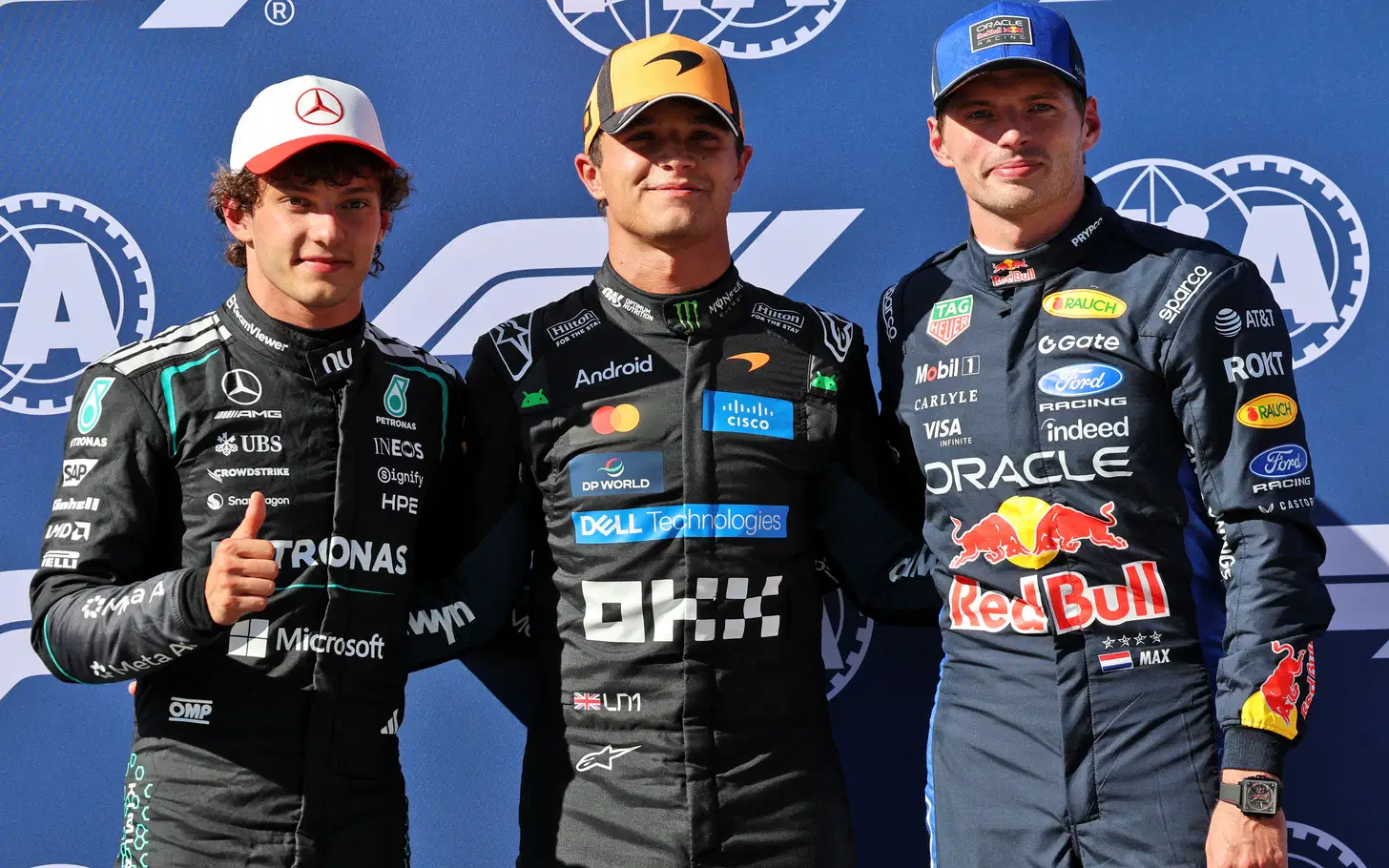
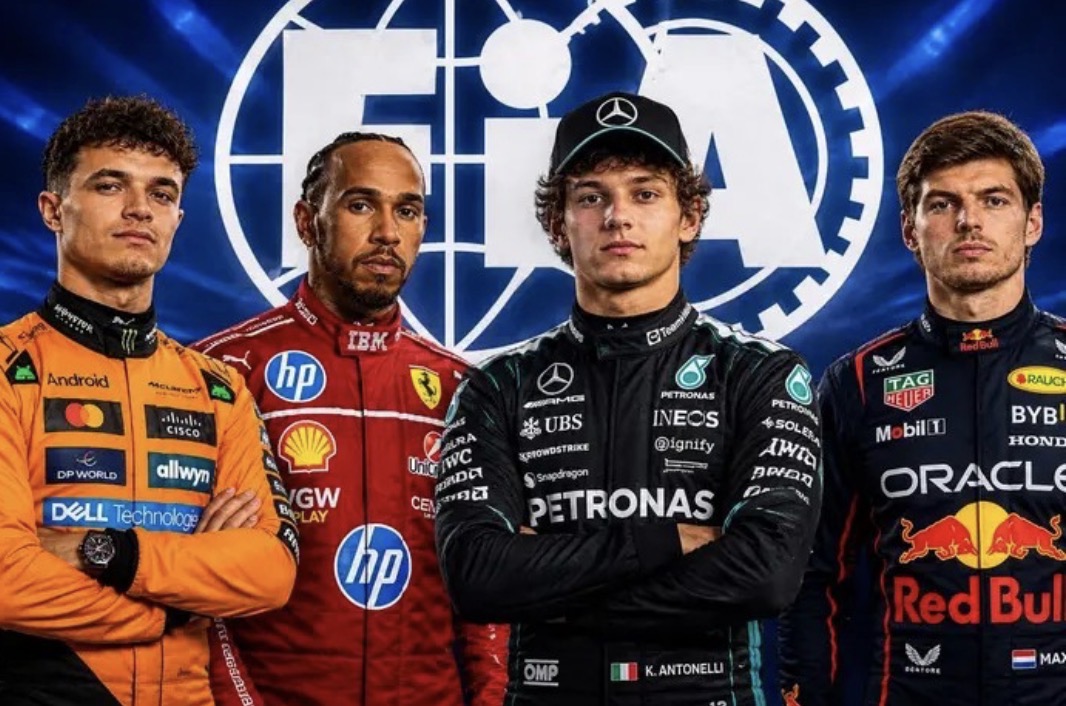
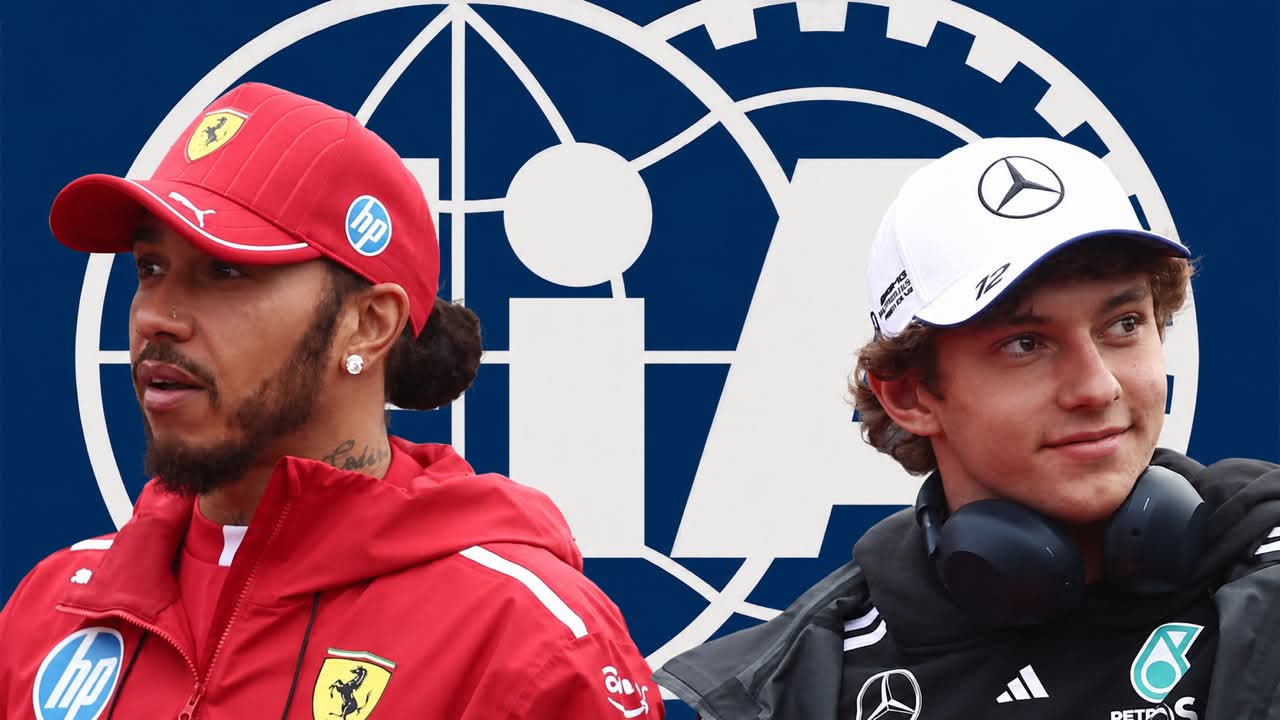
The revised podium therefore featured Mercedes’ rising star Kimi Antonelli as the race winner, Ferrari’s Lewis Hamilton in second place, and Gasly restored to third. For Gasly, the outcome was bittersweet. Although he ultimately received the points and recognition associated with a podium finish, he was denied the opportunity to celebrate on the podium immediately after the race—a moment that cannot be recreated.
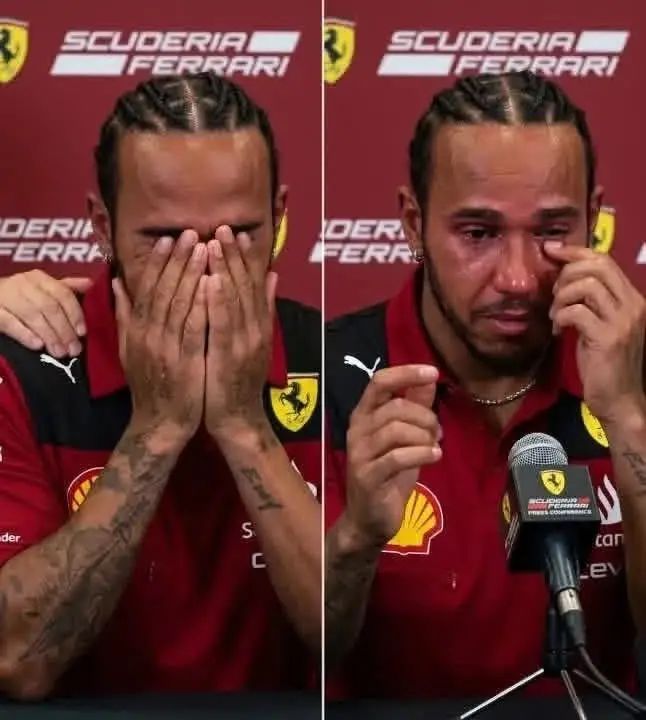
The controversy has also exposed broader issues affecting multiple teams and drivers. In total, five drivers—including Gasly, Hamilton, George Russell, Oscar Piastri, and Franco Colapinto—were initially penalized for pit lane speeding under the same flawed system. While Gasly’s team successfully challenged the decision, most of the others either did not appeal or were unable to recover lost ground.
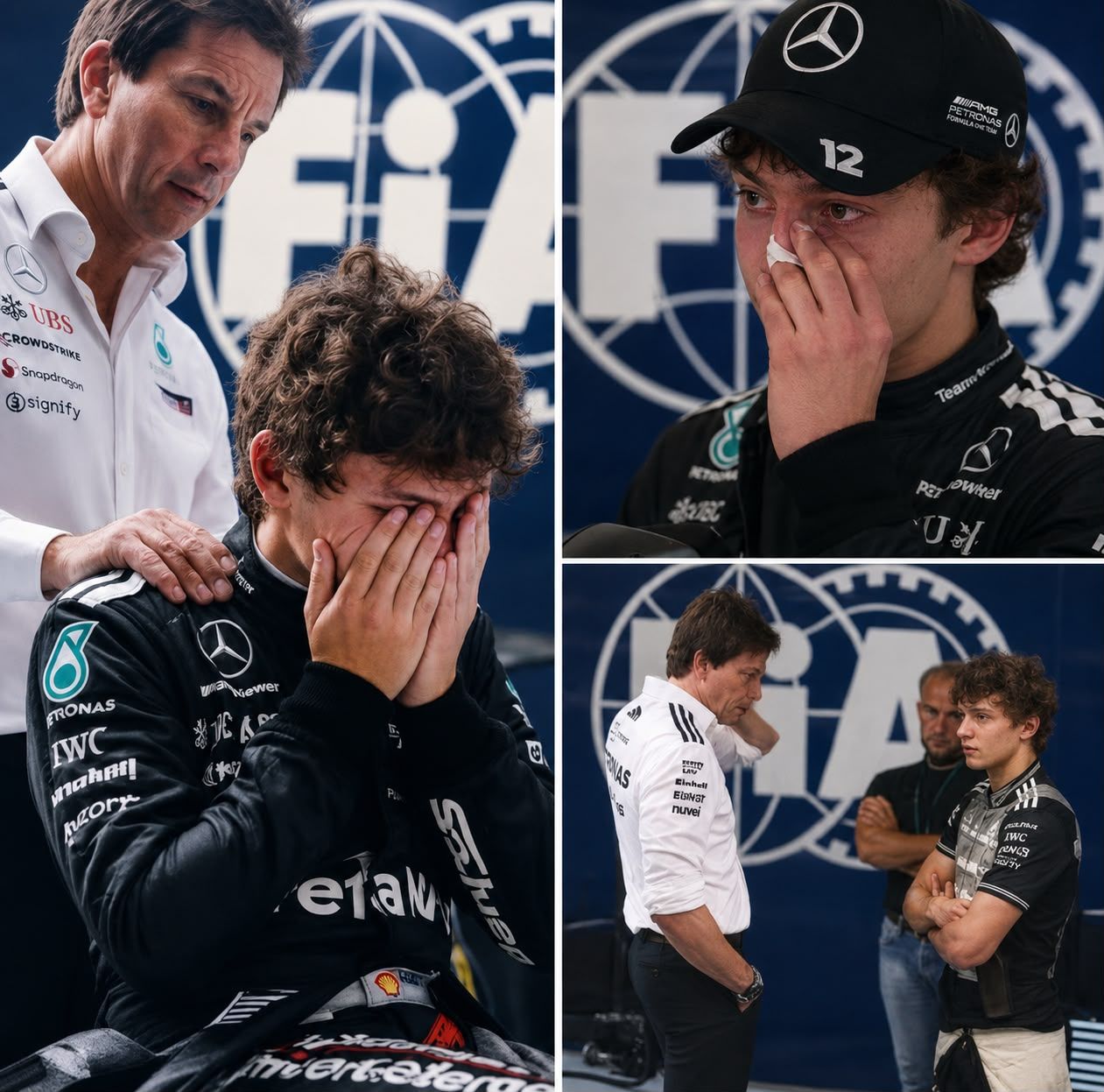
Mercedes, in particular, has expressed frustration over the situation. George Russell’s race was heavily compromised after he served a penalty during the Grand Prix, only for the underlying basis of those penalties to later be called into question. Because his penalty had already been served in-race, there was no mechanism to undo its consequences, leaving him significantly disadvantaged compared to Gasly.
This inconsistency has sparked criticism across the paddock. Rival teams, including McLaren and Red Bull, are reportedly considering their own appeals or legal avenues, arguing that the decision to reinstate Gasly creates an uneven playing field. Some believe it sets a precedent where teams might delay serving penalties in the hope that they could later be overturned.
Adding to the controversy is the revelation that the pit lane measurement issue may have been known prior to or during the race but was not fully addressed until after the event concluded. This has led to questions about the governance and reliability of Formula 1’s officiating systems, as well as the communication between FOM and the FIA.
Despite acknowledging the error, officials have indicated that existing rules limit what corrective actions can be taken after the fact—particularly in cases where penalties have already been served. This has left some drivers and teams feeling that justice has only been partially achieved.
The Monaco Grand Prix weekend was already chaotic even before the post-race drama unfolded. The race itself featured multiple incidents, safety car periods, and a red flag, all of which contributed to a complex and unpredictable outcome. Several drivers were penalized for various infractions, and positions shifted repeatedly both during and after the race.
However, the post-race developments have arguably overshadowed the on-track action. What should have been a celebration of Antonelli’s impressive victory—his fifth consecutive win—has instead been dominated by discussions about officiating errors, appeals, and fairness.
Ultimately, this situation underscores the challenges of managing a highly technical and data-driven sport like Formula 1. Even small discrepancies in measurement—such as a difference of less than a meter in timing loop distances—can have major consequences for race outcomes and championship standings.
As the sport moves forward, there will likely be increased scrutiny on the systems and processes used to enforce rules and penalties. Formula 1 and the FIA have already indicated that improvements will be made to prevent similar issues in the future.
For now, though, the 2026 Monaco Grand Prix will be remembered not just for the racing itself, but for the unprecedented sequence of revisions that followed. The constantly changing results have left fans, teams, and drivers grappling with a sense of uncertainty—raising important questions about consistency, transparency, and trust in the sport’s decision-making framework.
In the end, while the record books may now show a finalized podium, the controversy surrounding how it was determined is unlikely to fade anytime soon.