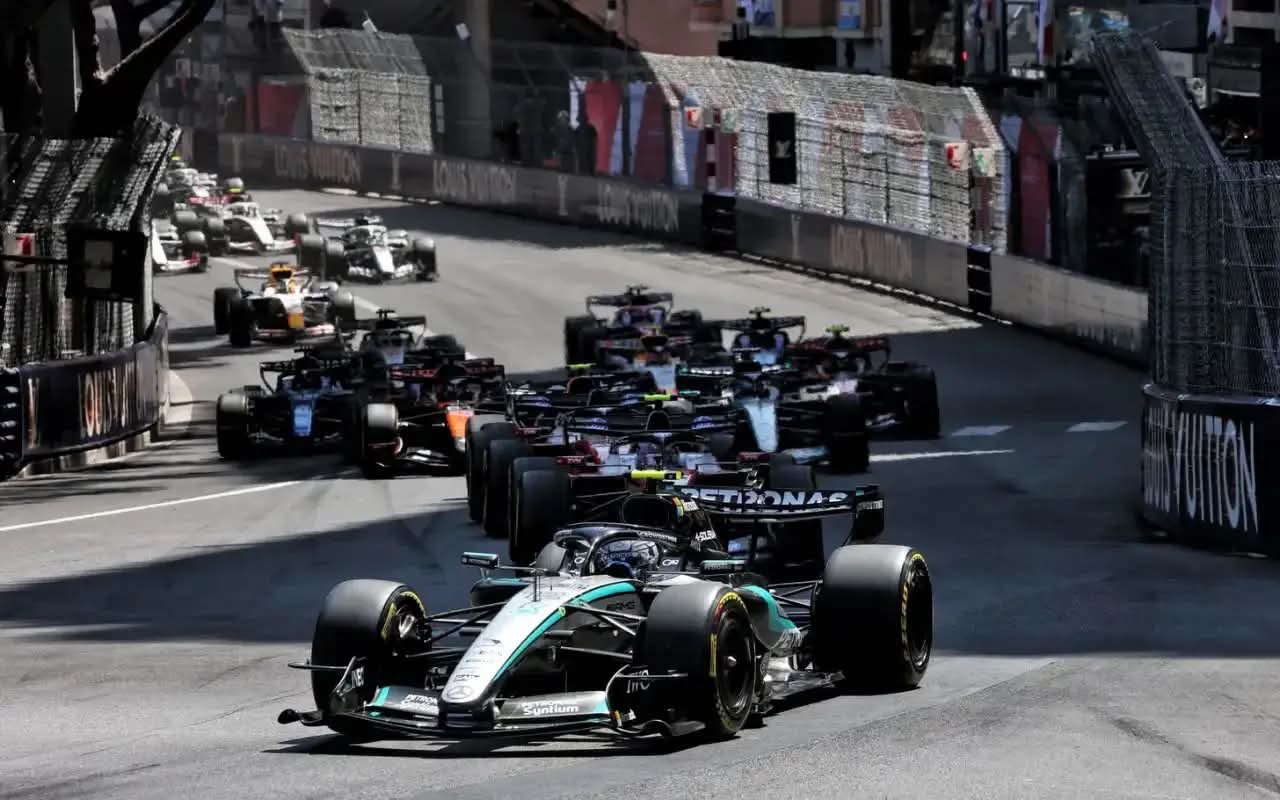

The controversy surrounding the 2026 Monaco Grand Prix has taken yet another dramatic turn, as two of Formula 1’s biggest teams—Red Bull and McLaren—have formally signaled their intention to challenge the latest revision of the race results. This development comes in response to the FIA’s decision to reinstate Alpine driver Pierre Gasly to the podium after overturning penalties that had initially stripped him of a top-three finish.
What began as a routine post-race review has now escalated into a full-blown dispute involving multiple teams, drivers, and governing bodies. The situation has not only reignited debates about fairness and consistency in Formula 1 officiating but also threatens to prolong uncertainty over the final outcome of one of the season’s most prestigious races.
Initially, Gasly crossed the finish line in third place on the streets of Monte Carlo, securing what appeared to be a well-earned podium finish. However, shortly after the race, the stewards imposed two separate five-second penalties on him for allegedly exceeding the pit lane speed limit. These penalties dropped him down to seventh place in the official classification, reshuffling the podium and promoting other drivers—including Red Bull’s Isack Hadjar—into higher positions.
For a brief period, the revised standings were accepted as final. Hadjar celebrated what seemed to be a breakthrough podium, while McLaren’s Oscar Piastri and other drivers also benefited from the reshuffle. However, Alpine quickly contested the penalties by invoking the FIA’s “Right of Review” process, arguing that the original decision was based on flawed data.
The review process revealed a significant issue: the system used to calculate pit lane speeds had been operating with incorrect measurements. Specifically, the distance between timing loops in the pit lane had been miscalculated, leading to inaccurate speed readings for several drivers.
Armed with new telemetry and technical evidence, Alpine successfully demonstrated that Gasly had not, in fact, exceeded the speed limit. As a result, the stewards reversed the penalties and restored him to third place—effectively undoing the earlier classification changes.
This decision, however, has sparked strong reactions across the paddock. Red Bull and McLaren, both of whom were negatively impacted by the reinstatement, have now lodged notices of their intention to appeal the ruling. These teams argue that the outcome creates inconsistencies, particularly for drivers who had already served penalties during the race and cannot recover lost positions.
The reinstatement of Gasly had a direct and immediate impact on rival teams. Hadjar, who had been elevated to third place after Gasly’s initial demotion, was pushed back down to fourth. Similarly, McLaren’s Piastri lost a position and valuable championship points due to the revised standings.
From the perspective of Red Bull and McLaren, the issue is not merely about losing positions but about the principle of fairness. Both teams had participated in the review process as observers and had raised concerns about Alpine’s appeal. Now, they believe the final decision may have set a problematic precedent—one where penalties can be retroactively overturned in a way that disadvantages other competitors.
Adding further complexity to the situation is the timing of the decision. The revised results were confirmed several days after the race had concluded, long after podium celebrations had taken place and championship points had been provisionally allocated. This delay has intensified frustration among teams and drivers, many of whom feel that such significant changes should not occur so late.
Mercedes has also been drawn into the controversy, although in a slightly different capacity. Driver George Russell was among those penalized during the race under the same flawed pit lane measurement system. However, unlike Gasly, Russell served his penalty immediately during the race, meaning its consequences could not be reversed even after the error was discovered.
This discrepancy has fueled criticism of the FIA’s processes. While Gasly was able to regain his lost position through an appeal, other drivers who accepted or served their penalties have been left without recourse. For some teams, this creates an uneven playing field, where the outcome depends not only on performance but also on procedural timing and legal strategy.
Red Bull and McLaren now have a limited window—typically 96 hours—to decide whether to proceed with a full formal appeal. If they do, the case could escalate further, potentially involving higher judicial bodies within motorsport governance. Such a move would prolong the uncertainty surrounding the Monaco Grand Prix results and could even influence the championship standings if additional changes are made.
At the heart of the dispute lies a broader question about the reliability of Formula 1’s technical and regulatory systems. The pit lane speed measurement error, reportedly caused by a discrepancy of less than a meter, has had far-reaching consequences for multiple drivers and teams. It has also raised concerns about how such an issue was not identified and corrected before or during the race.
The FIA and Formula One Management have acknowledged the mistake and indicated that steps will be taken to prevent similar errors in the future. However, for many within the sport, the damage has already been done. The Monaco Grand Prix, traditionally one of the most glamorous and celebrated events on the calendar, has instead become a focal point for controversy and debate.
For Gasly, the situation is bittersweet. While he has ultimately been reinstated to the podium and awarded the points he earned on track, the emotional moment of standing on the podium immediately after the race cannot be recovered. Meanwhile, for drivers like Hadjar and Piastri, the reversal has been a frustrating setback, stripping away achievements they briefly celebrated.
As the saga continues, all eyes are now on Red Bull and McLaren to see whether they will follow through with their appeals. If they do, the Monaco Grand Prix result could yet change again, further complicating an already unprecedented situation.
In the end, this episode serves as a stark reminder of how even minor technical errors can have major implications in a sport as precise and competitive as Formula 1. It also highlights the importance of transparency, consistency, and timely decision-making in maintaining trust among teams, drivers, and fans.
With the season still unfolding, the ripple effects of this controversy may extend far beyond Monaco, potentially influencing not just race results but also the broader regulatory framework of Formula 1 for years to come.