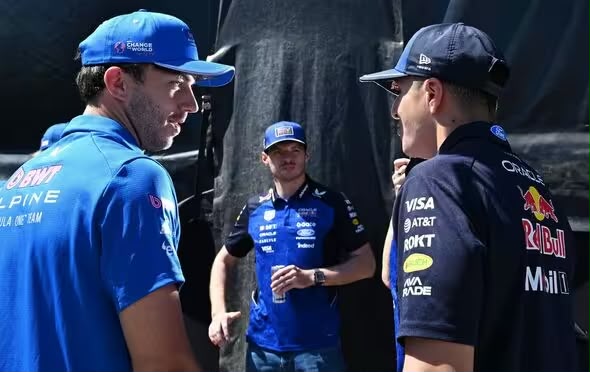

The outcome of the Monaco Grand Prix has undergone yet another dramatic revision, as Alpine driver Pierre Gasly has officially been restored to third place following a successful appeal. This latest twist comes after Formula 1 stewards acknowledged that an error had been made in the original decision to penalize the French driver, a ruling that had initially stripped him of a podium finish and dropped him down the order.
Gasly’s race in Monaco had been one of determination and resilience. Starting from ninth position on the grid, he steadily worked his way forward through a chaotic and incident-filled race that featured safety cars, a red flag interruption, and multiple strategic gambles from teams. By the closing stages, Gasly had climbed into fourth position on merit, and when Mercedes driver George Russell was handed a late drive-through penalty, Gasly inherited third place, putting him in line for a well-earned podium finish.
However, the joy of that achievement was short-lived. During the race, Gasly was handed two separate five-second penalties for allegedly exceeding the pit lane speed limit. When those penalties were applied to his total race time, he was pushed down from third to seventh place in the final classification. The decision left Gasly visibly devastated, as what he believed was a podium finish was suddenly taken away after the race had concluded.
Alpine, convinced that something was wrong with the ruling, immediately launched a formal “Right of Review” request with the FIA. This process allows teams to present new and significant evidence that was not available at the time of the original decision. In this case, Alpine argued that the data used to calculate Gasly’s pit lane speed was flawed.
During the review process, it was discovered that the timing system used to measure speeds in the Monaco pit lane contained a critical discrepancy. Specifically, the distance between timing loops had been incorrectly calculated, leading to an overestimation of the speed of several cars, including Gasly’s. Evidence presented by Alpine demonstrated that Gasly had actually remained below the mandated speed limit of 60 km/h, meaning the penalties should never have been issued in the first place.
With this new information, the stewards convened a second hearing and ultimately ruled in Alpine’s favor. The two five-second penalties were rescinded, and Gasly’s original race result was reinstated. As a result, he was officially returned to third place, reclaiming his podium finish from the Monaco Grand Prix.
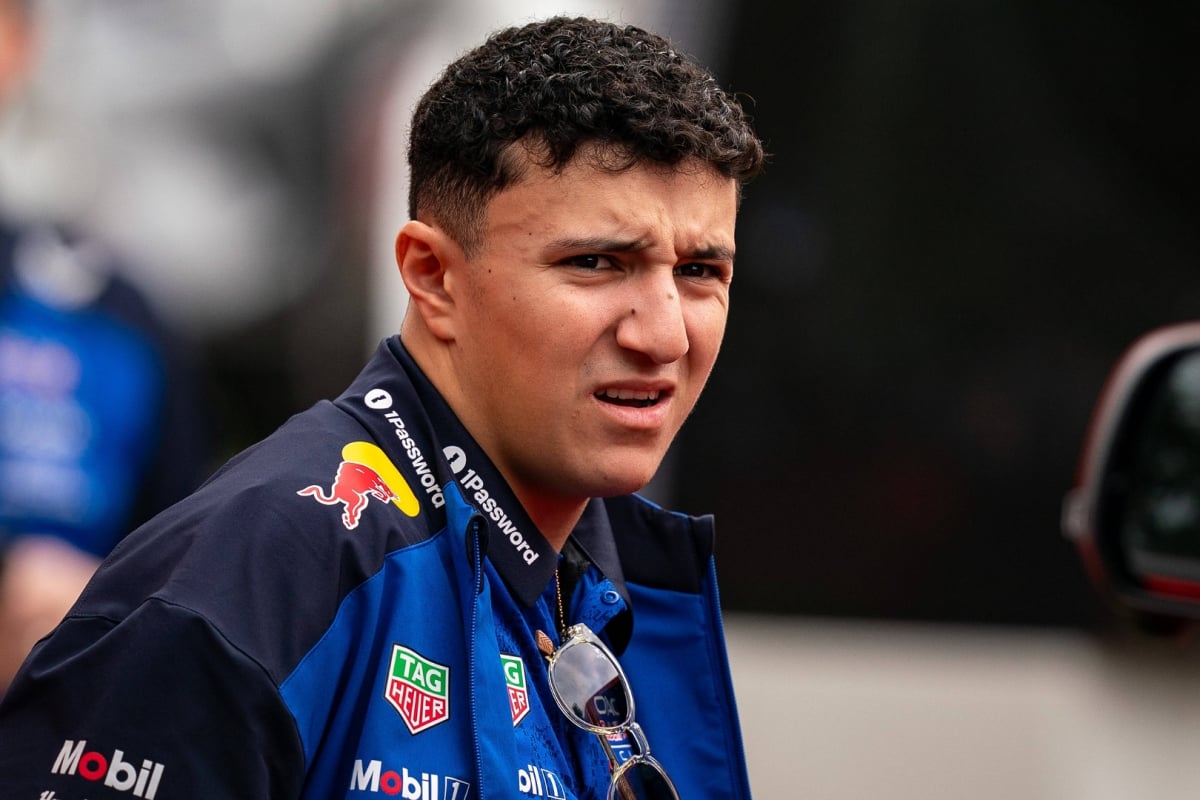
This decision had immediate consequences for several other drivers. Red Bull’s Isack Hadjar, who had initially been promoted to third place following Gasly’s penalty, was demoted to fourth. McLaren’s Oscar Piastri, along with Racing Bulls drivers Liam Lawson and Arvid Lindblad, also dropped one position each in the revised classification.
While Gasly and Alpine celebrated the successful appeal, the ruling has sparked widespread debate across the Formula 1 paddock. One of the most contentious aspects of the situation is that multiple drivers were penalized for the same alleged pit lane speeding offense during the race. However, unlike Alpine, those teams did not submit a review request within the required timeframe, or their drivers had already served their penalties during the race.
For example, George Russell was significantly impacted by the incident. He not only received a penalty for the same infringement but also served a more severe drive-through penalty after his team failed to comply correctly with the timing of the initial sanction. Because his penalty was already served during the race, there is no mechanism under current regulations to reverse its effects, even though the underlying data has now been proven incorrect.
This has led to frustration among teams and drivers, with some questioning the fairness and consistency of the system. Critics argue that while Gasly rightfully regained his position, others were unfairly disadvantaged by the same error but have no recourse due to procedural limitations. The FIA acknowledged this complication, noting that once a penalty has been served during a race, it cannot be undone, even if new evidence later proves it was based on incorrect data.
The controversy has also highlighted a broader issue regarding the accuracy and reliability of Formula 1’s timing systems. Reports indicate that the discrepancy in the pit lane measurement—amounting to a difference of just centimeters—was enough to incorrectly flag multiple drivers as speeding. Such a small error having such a large impact has raised concerns about the robustness of race officiating technology and procedures.
Despite the controversy, Gasly’s reinstatement marks an important milestone for both the driver and his team. It represents Alpine’s first podium finish since 2024 and serves as a vindication of their persistence in challenging what they believed to be an unjust decision. For Gasly personally, the result is particularly meaningful, as it restores what would have been his sixth career podium in Formula 1.
In the aftermath of the decision, Gasly expressed relief and gratitude, while Alpine thanked the FIA and Formula One Management for their transparency during the review process. The team also emphasized its focus on moving forward, with attention now turning to the upcoming Barcelona Grand Prix.
Nevertheless, the Monaco controversy is unlikely to fade quickly. Rival teams, including Red Bull and McLaren, are reportedly considering their own responses, including potential appeals or further discussions with the FIA. The situation has exposed gaps in the current regulatory framework, particularly regarding how errors are handled when they affect multiple competitors in different ways.
Ultimately, the reinstatement of Pierre Gasly to third place underscores both the importance of accurate data in modern Formula 1 and the complexities involved in ensuring fair competition. While justice may have been served in Gasly’s case, the broader implications of the incident continue to resonate throughout the sport, raising questions that may lead to changes in how such situations are managed in the future.