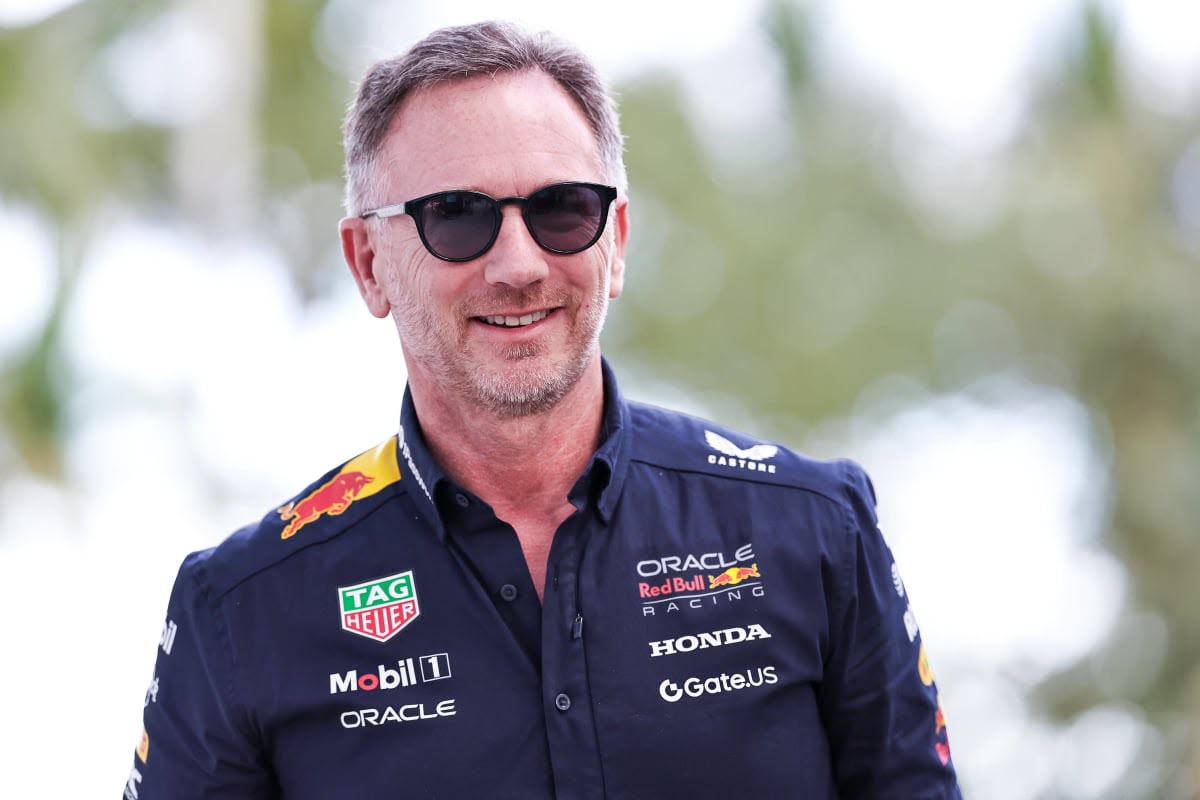

Red Bull Racing, once regarded as the benchmark of dominance in modern Formula One, now finds itself navigating a turbulent and uncertain phase that has raised serious concerns across the paddock. The team, which enjoyed years of unparalleled success under the leadership of Christian Horner, is currently facing what many insiders and analysts describe as a deep and multifaceted crisis. This downturn has not only affected performance on the track but has also exposed underlying structural and leadership challenges that had been quietly building over time.
For nearly two decades, Red Bull stood as a symbol of excellence, innovation, and consistency. Under Horner’s stewardship, the team accumulated multiple world championships and established itself as one of the most formidable forces in the sport. His tenure saw the rise of legendary drivers, technical brilliance from key figures, and a culture that thrived on winning. However, the abrupt end to his leadership in 2025 marked the beginning of a new and uneasy chapter for the team.
Horner’s dismissal came at a time when internal tensions within Red Bull were becoming increasingly difficult to ignore. Reports suggested that disagreements among top management figures, combined with a noticeable dip in on-track performance, created an environment of instability. The departure of several high-profile personnel further weakened the team’s foundation, stripping it of the technical expertise and strategic direction that had once set it apart from competitors.
In the months that followed, the consequences of these disruptions became more visible. Red Bull, which had previously dominated races with ease, began struggling to maintain consistency. Rivals started closing the gap, and in some cases, overtaking them altogether. The once finely tuned machine that delivered race wins and championships now appeared vulnerable, plagued by performance inconsistencies and strategic missteps.
Amid this backdrop, the potential return of Christian Horner to Formula One has added another layer of intrigue to the unfolding situation. After spending time away from the sport following his exit, Horner recently made a public reappearance in the F1 paddock, sparking widespread speculation about his future. His presence alone served as a reminder of the era of success he once oversaw, and it inevitably reignited discussions about whether his leadership could help restore stability either at Red Bull or elsewhere.
Horner himself has indicated that he is open to returning to the sport, but only under conditions that allow him to make a meaningful impact. He has made it clear that he would not accept just any role; instead, he seeks a position where he can influence the direction of a team and compete at the highest level. This stance reflects both his confidence in his abilities and his desire to avoid being part of a project that lacks ambition or clarity.
Interestingly, some observers believe that Red Bull’s current struggles may, in part, validate Horner’s importance to the team’s past success. During his tenure, he was not only a figurehead but also a central force in decision-making, team cohesion, and long-term planning. His absence has left a noticeable gap, and while new leadership has stepped in, replicating his influence has proven to be a significant challenge.
Adding to the complexity is the broader context of Formula One’s evolving competitive landscape. The sport is becoming increasingly tight, with multiple teams capable of challenging for wins. This heightened level of competition means that even minor weaknesses can have significant consequences. For Red Bull, the combination of internal disruptions and external pressure has created a perfect storm, pushing the team into unfamiliar territory.
Furthermore, there are growing concerns about the team’s ability to retain key talent and maintain driver confidence. In Formula One, success is often tied not just to the car but also to the people behind it. When a team experiences instability, it can lead to uncertainty among drivers, engineers, and sponsors. This, in turn, can create a cycle that is difficult to break, as performance issues feed into morale problems, which then further impact results.
Despite these challenges, it would be premature to write off Red Bull entirely. The team still possesses significant resources, a strong brand, and a history of overcoming adversity. However, addressing the current crisis will require decisive action, clear leadership, and a renewed sense of direction. Whether that involves restructuring, strategic changes, or even the influence of former figures like Horner remains to be seen.
What is clear, though, is that the situation serves as a stark reminder of how quickly fortunes can change in Formula One. A team that once seemed untouchable is now grappling with uncertainty, highlighting the fragile balance between success and decline in one of the world’s most competitive sports.
As speculation continues to swirl around Horner’s potential return and Red Bull’s next moves, the coming months are likely to be crucial. The decisions made during this period could determine whether the team manages to rebuild and reclaim its position at the top, or whether it continues to struggle in the face of mounting challenges.
In the end, Red Bull’s current predicament is not just about performance; it is about identity, leadership, and the ability to adapt in an ever-changing environment. The legacy built over years of dominance is now being tested, and how the team responds will shape its future in Formula One for years to come.