The 2026 Austrian Grand Prix delivered another dramatic chapter in an already unforgettable Formula 1 weekend after three separate cars caught fire during the event, with soaring temperatures at the Red Bull Ring creating extremely challenging conditions for teams and drivers alike.
The unusually hot weather became one of the biggest talking points throughout the race weekend. Air temperatures climbed well above what teams had anticipated, while the track surface reached exceptionally high levels, placing enormous stress on every component of the Formula 1 cars. Engineers had already been concerned about cooling systems, tyre degradation and engine reliability before the race began, but few expected multiple fire-related incidents to unfold.
The first alarming moment came when one of the cars began emitting smoke during a high-speed section of the circuit. Within moments, flames became visible, forcing the driver to slow dramatically before pulling safely off the racing line. Track marshals reacted immediately, arriving with fire extinguishers to prevent the blaze from spreading further.
Although the fire was quickly brought under control, the incident prompted concerns across the paddock. Teams immediately began reviewing telemetry data to determine whether the failure had been caused by overheating, a mechanical problem or damage sustained earlier in the race.
Not long afterwards, another car experienced a remarkably similar issue. Spectators watched as smoke poured from the rear of the machine before flames emerged around the engine cover. The driver was instructed by the team to stop the car as soon as possible and exit safely while marshals dealt with the situation.
The second incident intensified fears that the extreme conditions were pushing the cars beyond their normal operating limits. Formula 1 machinery is designed to withstand enormous temperatures, but prolonged exposure to intense heat can affect engine components, cooling systems, electrical wiring and hydraulic equipment.
The drama did not end there.
Later in the event, a third Formula 1 car also caught fire, making it an extraordinary day for the championship. Once again, the driver managed to escape unharmed before safety crews extinguished the flames.
Fortunately, no injuries were reported in any of the three incidents. All drivers involved exited their cars safely, and race officials praised the quick reactions of marshals stationed around the circuit.
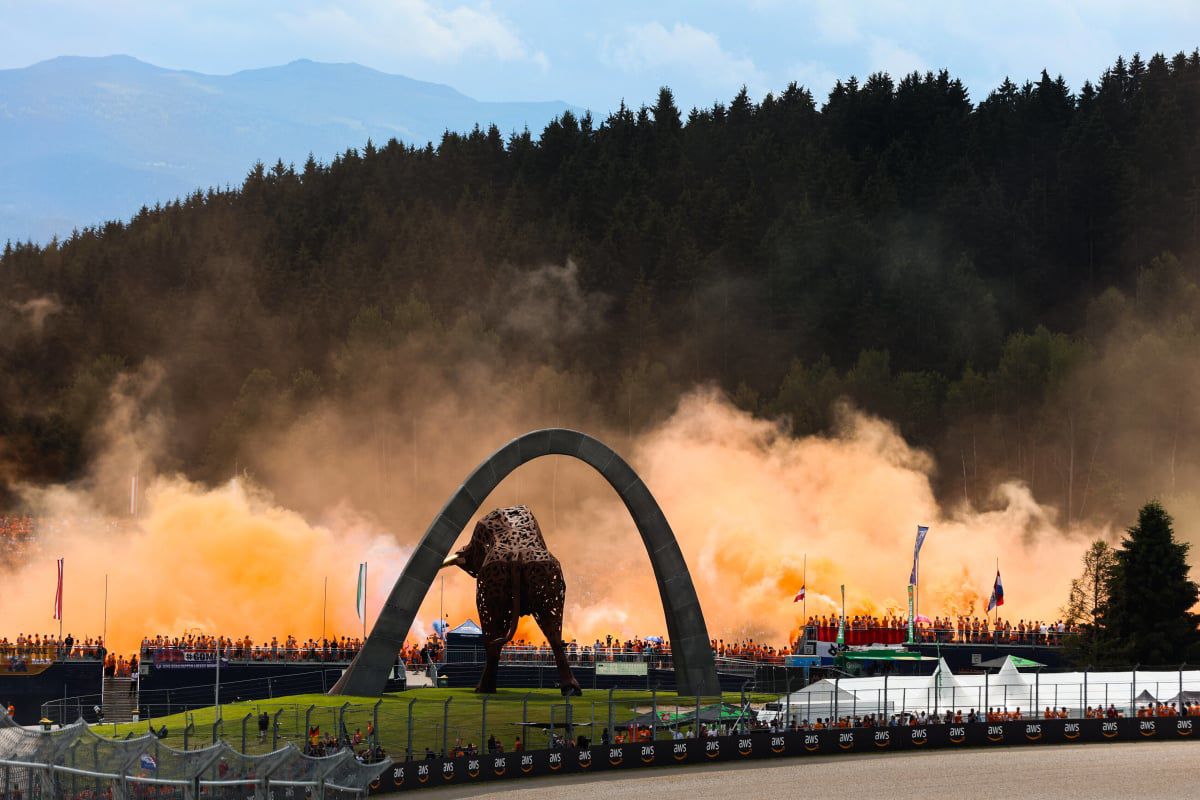
The Red Bull Ring has earned a reputation for producing exciting racing thanks to its fast straights, heavy braking zones and significant elevation changes. However, this year’s event presented an entirely different challenge as teams battled not only each other but also the relentless heat.
Throughout the weekend, engineers worked tirelessly to maximise airflow through radiators while balancing aerodynamic performance. Opening additional cooling vents often comes at the cost of speed, leaving teams with difficult decisions between outright pace and mechanical reliability.
Several drivers had already complained over team radio about cockpit temperatures becoming almost unbearable. Inside modern Formula 1 cars, cockpit temperatures can rise significantly above the surrounding air temperature, making long race distances physically exhausting.
Drivers also faced rapidly degrading tyres as the hot asphalt accelerated wear. Managing tyre life became a critical part of race strategy, with many teams adjusting pit-stop plans to cope with the demanding conditions.
Following the series of fires, FIA officials began gathering information from the affected teams. Technical delegates are expected to inspect the damaged cars carefully to establish whether the incidents were linked by a common cause or represented isolated mechanical failures.
Formula 1 regulations include strict safety procedures for dealing with fires. Every marshal around the circuit receives specialist training, and rapid-response vehicles remain on standby throughout every session. Those preparations proved invaluable during the Austrian Grand Prix as each incident was handled swiftly and professionally.
Team principals acknowledged that modern Formula 1 technology operates incredibly close to its performance limits. While manufacturers build extensive safety margins into their designs, exceptionally high temperatures can expose weaknesses that rarely appear under more normal weather conditions.
Fans watching around the world were stunned by the rare sequence of events. Fires involving Formula 1 cars have become relatively uncommon thanks to continuous improvements in engineering, materials and safety standards. Seeing three separate fire incidents during one Grand Prix immediately sparked discussion throughout the motorsport community.
Social media quickly filled with videos and photographs showing smoke and flames emerging from the affected cars. Many supporters praised the drivers for remaining calm under pressure, while others commended marshals for responding with remarkable efficiency.
Despite the disruptions, the race continued under carefully monitored conditions. Officials ensured the circuit was safe after each incident before allowing racing to resume.
Engine manufacturers will now conduct detailed investigations into every affected power unit. Specialists are expected to analyse damaged components, electronic systems and cooling equipment to determine exactly what triggered each fire.
The findings could prove valuable not only for the remainder of the current season but also for future races expected to take place in similarly hot climates. Teams may consider revising cooling packages, heat shielding or component layouts if the investigations reveal a shared vulnerability.
Extreme weather has become an increasingly important factor in Formula 1 over recent years. Rising temperatures at several race venues have forced teams to rethink preparation strategies, particularly regarding driver hydration, tyre management and engine cooling.
The Austrian Grand Prix served as another reminder that success in Formula 1 depends on far more than outright speed. Reliability, strategic planning and adaptability remain just as important when unexpected challenges arise.
While the sight of three burning Formula 1 cars created dramatic headlines, the positive outcome was that every driver escaped without injury. The effectiveness of modern safety systems, combined with the professionalism of race marshals and medical personnel, ensured that potentially dangerous situations were brought under control within moments.
Attention will now turn to the FIA’s technical investigation as fans await official explanations for one of the most unusual and dramatic sequences of mechanical failures seen during a Formula 1 weekend in recent memory.
As the championship moves on to its next round, teams will undoubtedly study everything learned from the scorching conditions in Austria. Preventing similar incidents will become a priority, particularly if upcoming races are expected to feature equally demanding temperatures.
For now, the 2026 Austrian Grand Prix will be remembered not only for its on-track battles but also for the extraordinary sight of three Formula 1 cars catching fire in one of the hottest race weekends the sport has experienced in recent years.