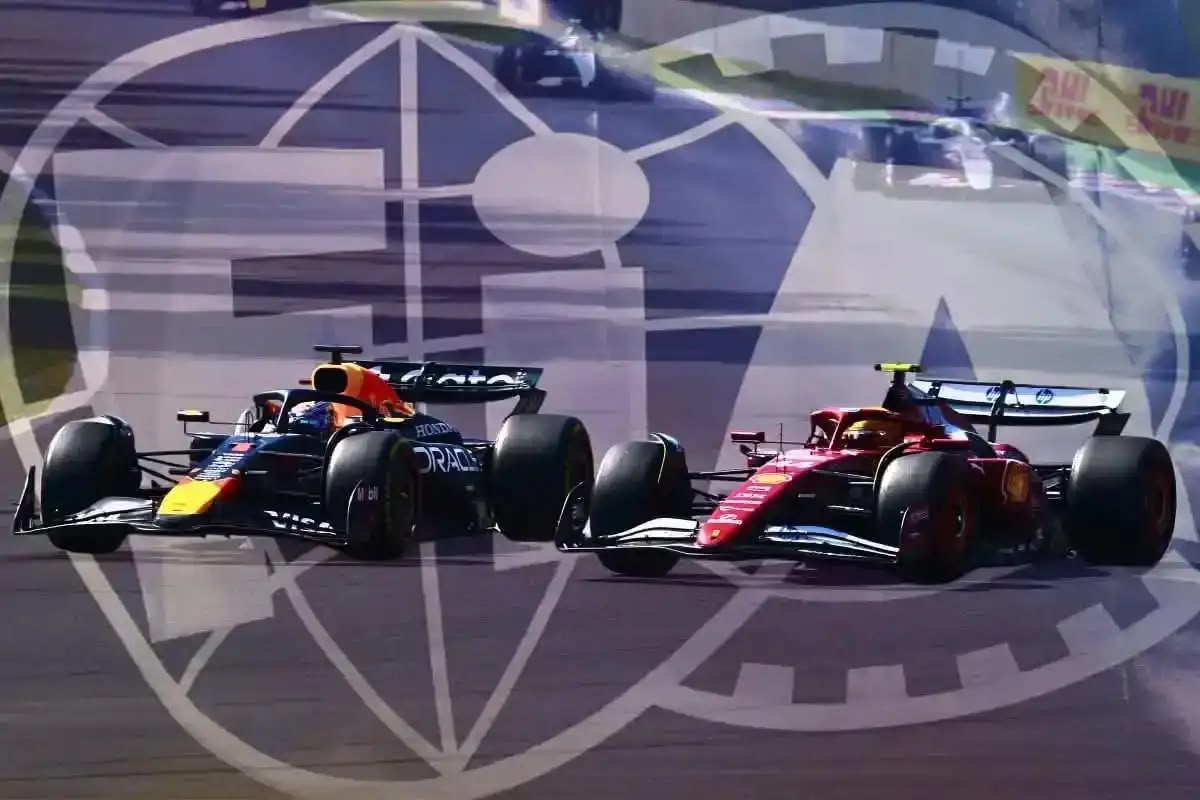

The 2026 Formula 1 Monaco Grand Prix proved to be one of the most dramatic and unpredictable races of the season, with the final classification undergoing major revisions following a wave of late penalties and steward decisions. What initially appeared to be a settled race result quickly transformed into a complex reshuffling of positions, as multiple drivers were penalized for various infractions during and after the race.
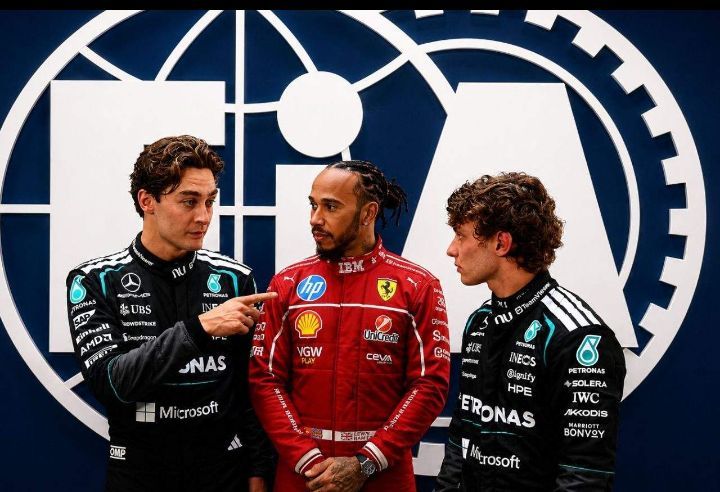
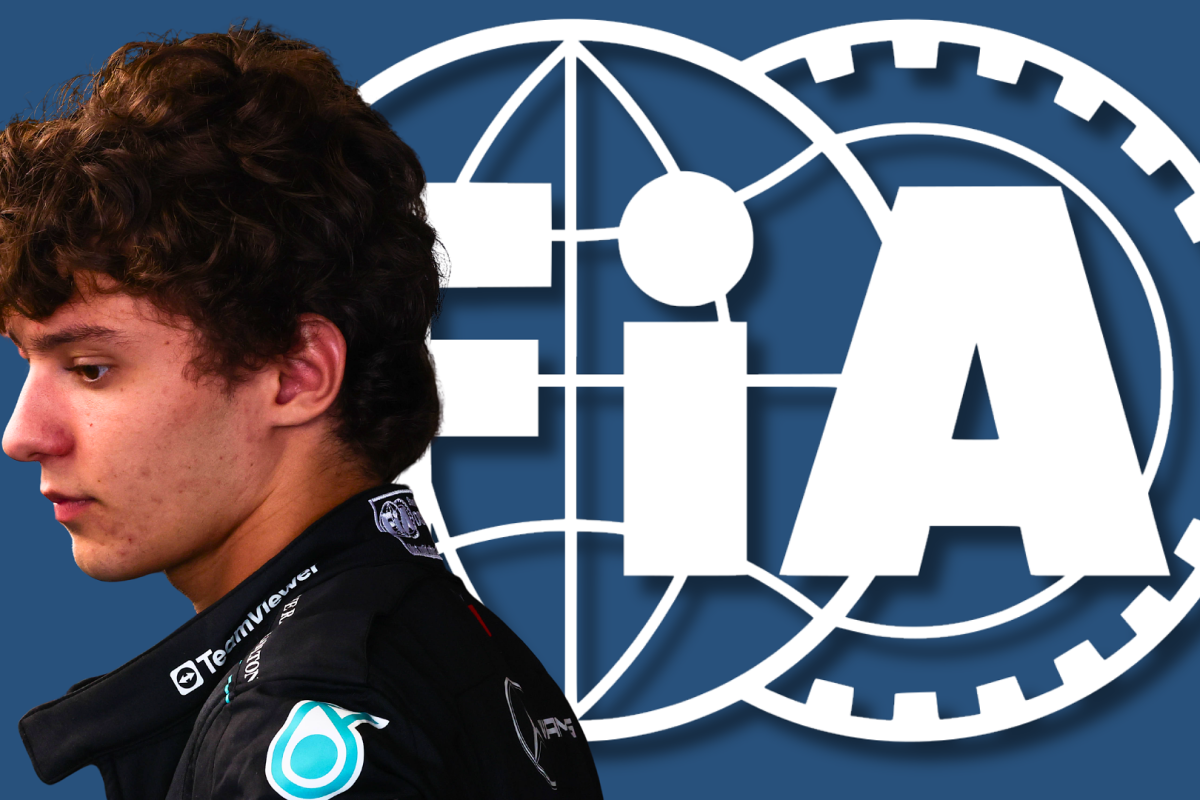
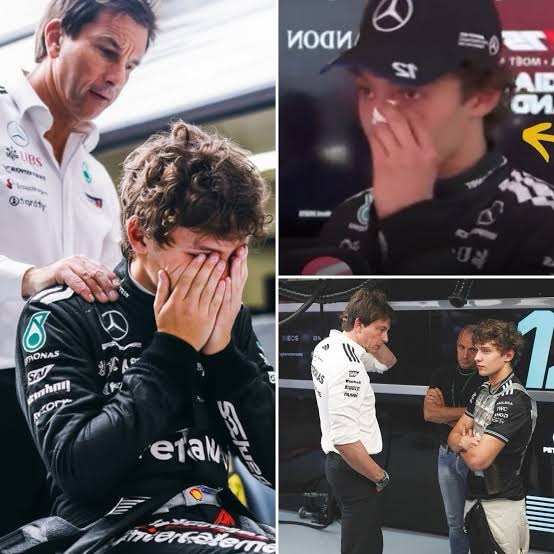
At the front of the field, Mercedes’ rising star Kimi Antonelli delivered a flawless performance to secure victory on the streets of Monte Carlo. The young Italian controlled the race from the outset, demonstrating composure and precision on one of Formula 1’s most challenging circuits. His triumph marked yet another milestone in what has been a remarkable season, as he continued to extend his lead in the championship standings.
Behind him, Ferrari’s Lewis Hamilton produced a strong and consistent drive to finish in second place. Although Hamilton remained within striking distance for much of the race, the narrow nature of the Monaco circuit made overtaking virtually impossible, forcing him to settle for a podium finish. His result still proved valuable in the championship battle, especially given the misfortunes suffered by other contenders.
The battle for third place, however, became one of the central talking points of the race. Initially, Alpine’s Pierre Gasly crossed the line in a podium position after capitalizing on the chaos that unfolded during the latter stages. However, his celebration was short-lived. The stewards handed Gasly two separate five-second penalties for exceeding the speed limit in the pit lane on different occasions. These infractions carried a cumulative impact that dropped him down the order, ultimately stripping him of a well-earned podium finish.
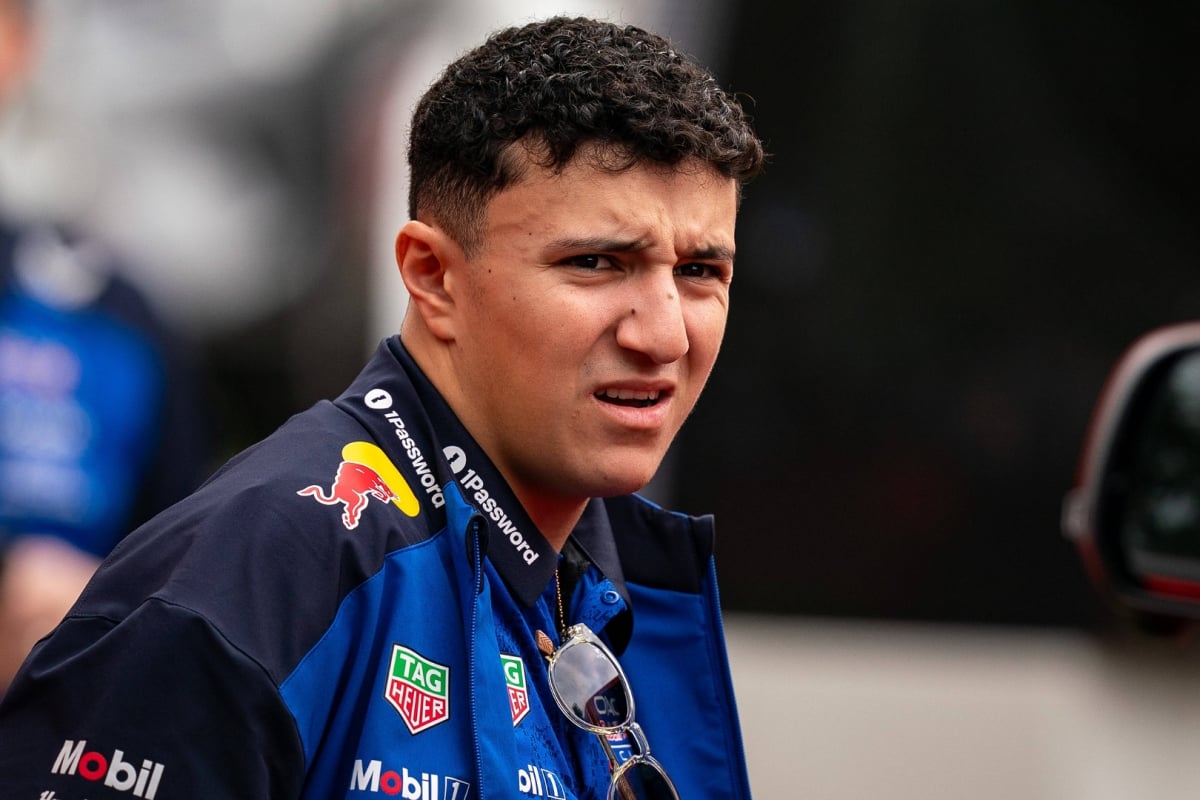
As a result of Gasly’s penalties, Red Bull driver Isack Hadjar was promoted into third place, securing a podium finish after initially coming home just behind the Frenchman. Hadjar’s result was not without its own controversy, as he came under investigation for a potential red flag infringement. However, after reviewing the incident, race stewards decided not to impose any further penalties, allowing him to retain his podium position.
Further down the field, several drivers saw their race outcomes heavily affected by penalties and procedural errors. Mercedes driver George Russell endured one of the most frustrating afternoons of his season. After receiving a five-second penalty for speeding in the pit lane, he failed to serve it correctly during his pit stop, which triggered a more severe drive-through penalty. This sequence of events dramatically compromised his race, dropping him out of contention and ultimately leaving him outside the points.
Another major storyline involved Sergio Perez, whose race result was altered significantly after the event. The Mexican driver initially finished inside the top ten, which would have secured a historic first championship point for Cadillac. However, a post-race investigation revealed that Perez had committed multiple infringements, including lining up incorrectly on the grid during a restart and making an earlier procedural error at the start of the race. As a result, he was handed a time penalty that dropped him down the order from tenth to fifteenth place.
This decision had a ripple effect on the final standings, promoting Aston Martin’s Fernando Alonso into tenth place and awarding the team its first point of the season. The reversal was a bitter disappointment for Cadillac, who had briefly celebrated what appeared to be a landmark achievement before the penalty decision overturned their result.
The race itself was characterized by chaos and interruptions, which contributed to the high number of penalties. A late incident brought out the safety car, followed by a red flag due to track damage, forcing a stoppage and subsequent restart. During this period, several drivers were either under investigation or required to serve penalties, creating a tense and unpredictable situation.
In addition to the penalties already mentioned, multiple other drivers were sanctioned for various rule violations. These included speeding in the pit lane, exceeding track limits, and causing collisions. The accumulation of these infractions highlighted the difficulty of managing race strategy and maintaining precision under pressure, particularly on a circuit as unforgiving as Monaco.
Once all penalties were applied, the final classification painted a very different picture from the initial race result. Antonelli remained the clear winner, followed by Hamilton in second and Hadjar in third. Further down the order, several drivers benefited from the penalties imposed on others, gaining positions they had not initially secured on track. Meanwhile, those penalized were left to reflect on costly mistakes that significantly impacted their race outcomes.
The Monaco Grand Prix has always been known for its unique challenges, and the 2026 edition reinforced that reputation. The tight layout, lack of overtaking opportunities, and high stakes of track position mean that even minor errors can have major consequences. This year’s race served as a perfect example, with penalties playing a decisive role in shaping the final results.
Reactions after the race were mixed, with some drivers expressing frustration over the penalties and others acknowledging the role of circumstance and pressure. Russell, in particular, voiced his dissatisfaction, suggesting that technical issues may have contributed to the pit lane speeding penalties. Meanwhile, teams began reviewing their procedures to ensure similar mistakes would not be repeated in future races.
In the broader context of the championship, the revised Monaco results could prove to be highly significant. Antonelli’s victory further strengthened his position at the top of the standings, while key rivals lost valuable points due to penalties and misfortune. The race may ultimately be remembered as a turning point in the season, where consistency and discipline proved just as important as outright speed.
Ultimately, the 2026 Monaco Grand Prix demonstrated the unpredictable nature of Formula 1. Even after the chequered flag, the outcome remained uncertain until all investigations were completed and penalties applied. It was a race defined not only by on-track performance but also by the strict enforcement of regulations, reminding teams and drivers alike that every detail matters in the pursuit of success.