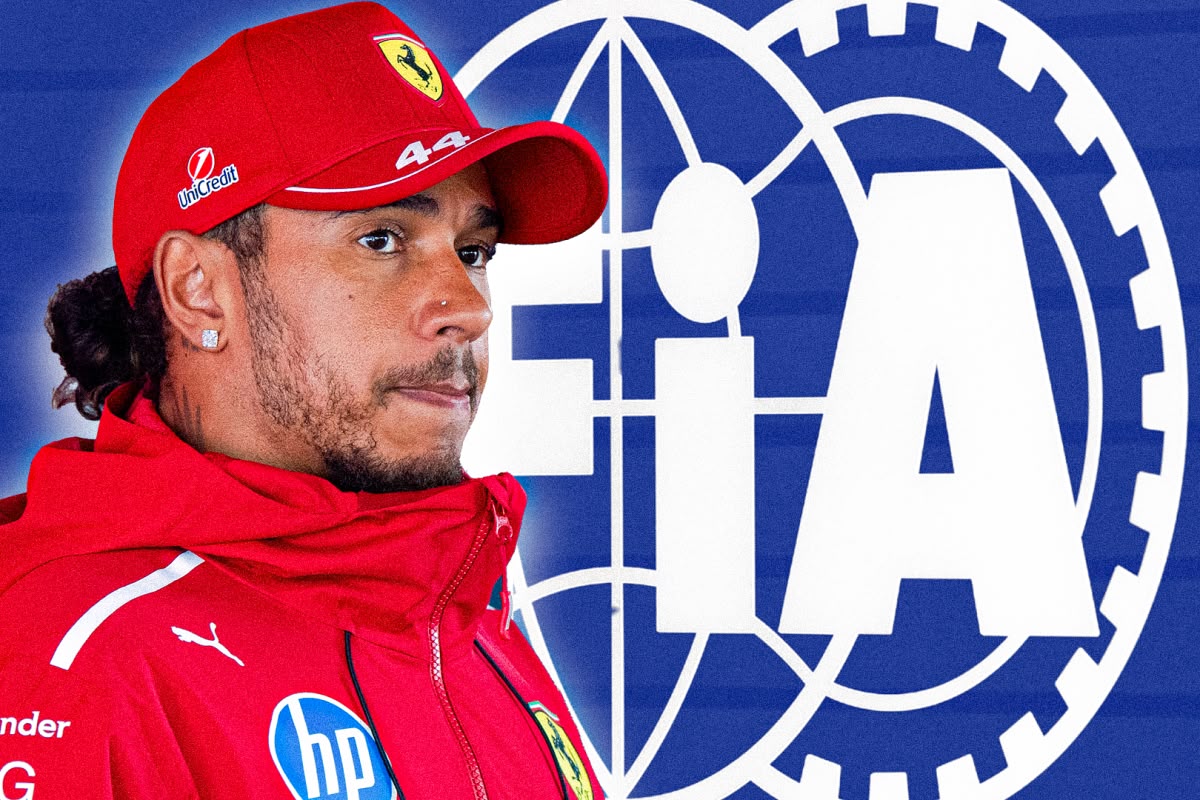

The aftermath of the 2026 Formula 1 Monaco Grand Prix has continued to generate intense debate, with Ferrari driver Lewis Hamilton emerging as one of the most vocal critics of the penalties handed out during the race. In particular, the seven-time world champion has called for a thorough investigation into the systems used to monitor pit lane speeds, following what he described as a surprising and questionable punishment that affected multiple drivers.
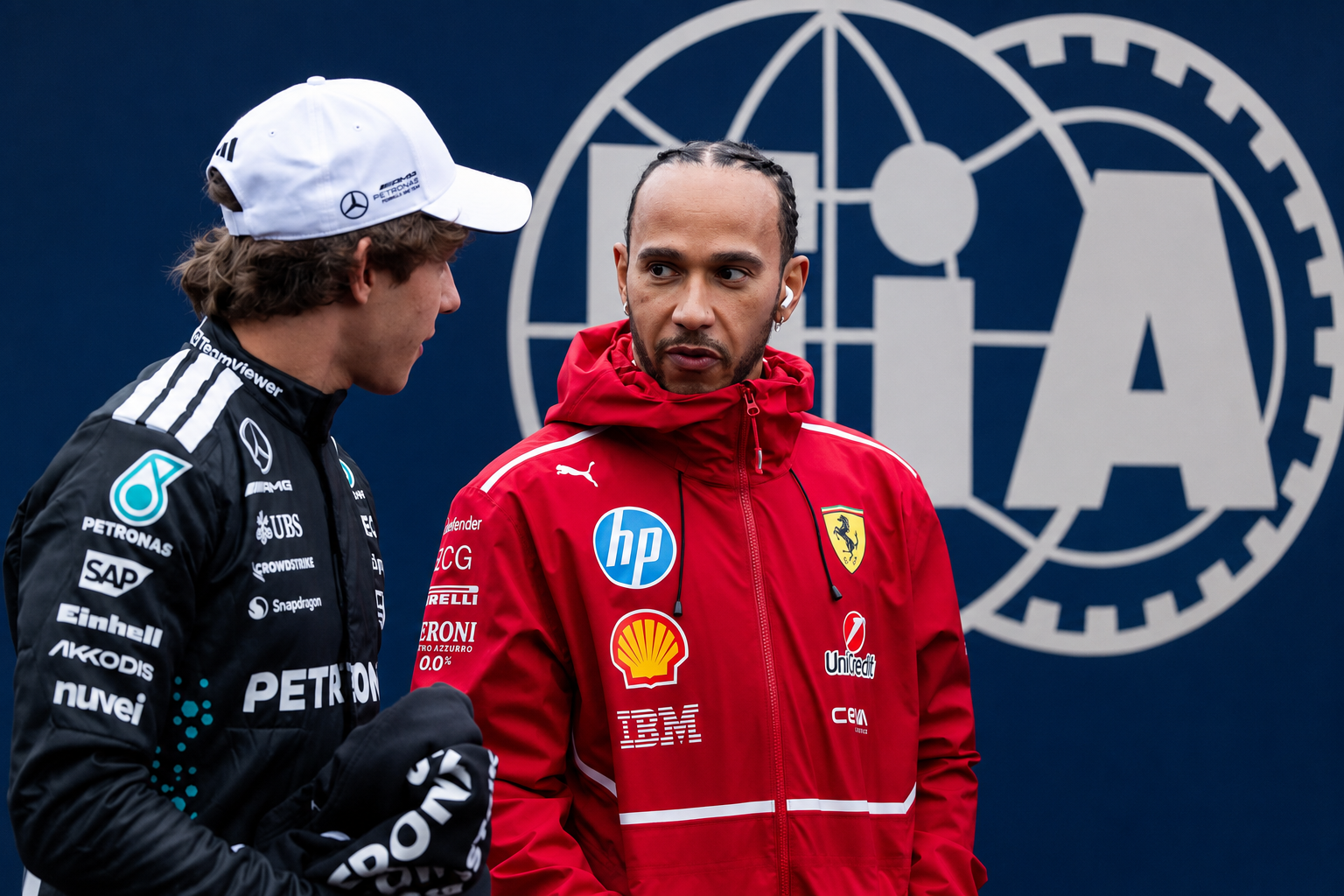
Hamilton, who ultimately finished second in the race behind Mercedes’ Kimi Antonelli, revealed that he was stunned to learn he had been penalized for exceeding the pit lane speed limit. According to the British driver, the penalty came as a complete shock, as he believed he had adhered to the regulations and had not exceeded the allowed speed threshold. His reaction reflects a broader concern shared by several drivers who were also penalized under similar circumstances during the race.
The Monaco Grand Prix was already shaping up to be a dramatic event, but the number of penalties issued—particularly for pit lane speeding—added another layer of controversy. Hamilton was among several high-profile drivers, including George Russell and Oscar Piastri, who received time penalties for what appeared to be marginal infractions. This raised questions about the accuracy and consistency of the monitoring systems used by race officials.
Speaking after the race, Hamilton emphasized that the issue may not be as straightforward as drivers simply exceeding the speed limit. He suggested that the way speed is measured—particularly the distance over which it is calculated—could be contributing to what he perceives as unfair penalties. The Ferrari driver indicated that this technical aspect deserves closer scrutiny, especially given how many competitors were affected during the same race.
The impact of the penalty on Hamilton’s race was significant, even if it did not ultimately cost him a podium finish. On a circuit like Monaco, where overtaking opportunities are extremely limited, even a small time penalty can have major consequences. Drivers rely heavily on track position, and any delay—whether during a pit stop or through a time sanction—can effectively end their chances of improving their position.
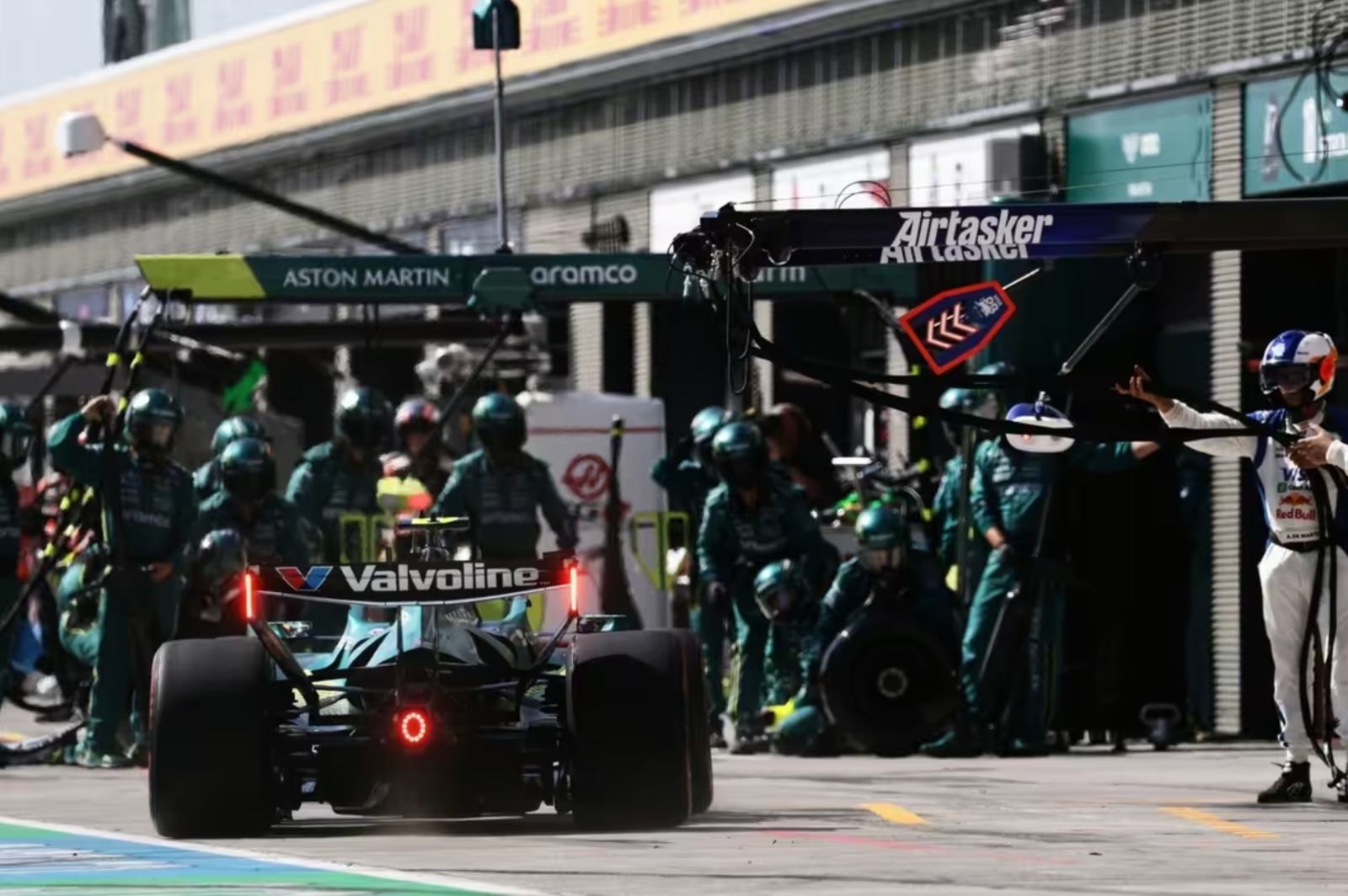
Hamilton pointed out that serving such penalties on a short and tight circuit like Monaco is particularly damaging. The narrow layout means there is little opportunity to recover lost time, and even a brief delay in the pit lane can translate into several positions lost on track. Although he managed to minimize the damage in his case, other drivers were not as fortunate, with some seeing their race results severely compromised.
The controversy surrounding the penalties is not limited to Hamilton alone. Several other drivers and teams have raised similar concerns, suggesting that the issue may be systemic rather than isolated. Reports from the race indicate that multiple penalties were triggered by drivers exceeding the speed limit by extremely small margins, in some cases potentially due to inconsistencies in the way the pit lane speed limiter interacts with the FIA’s monitoring systems.
This has led to speculation that a technical or software-related issue could be at the root of the problem. Some drivers have hinted that they followed standard procedures and relied on their onboard systems, only to be penalized afterward. If this is the case, it raises serious questions about fairness and whether the current system accurately reflects driver behavior.
Hamilton’s call for an investigation is therefore not just about his own penalty, but about ensuring that the rules are applied consistently and transparently across the field. He stressed that when multiple drivers are penalized under similar circumstances, it is important to examine whether the issue lies with the competitors or with the system itself.
The FIA, Formula 1’s governing body, has yet to announce any immediate changes, but the pressure is mounting. The Monaco Grand Prix has historically been a race where precision is paramount, and even the smallest errors can have outsized consequences. However, the sheer number of penalties in this year’s race has sparked debate about whether the current regulations—and their enforcement—are fit for purpose.
Adding to the complexity of the situation is the fact that the race itself was already filled with incidents, including a safety car period and a red flag that disrupted strategies and created a tense environment for drivers. These interruptions increased the pressure on teams to execute flawless pit stops and strategy calls, making any penalties even more impactful.
Despite the controversy, Hamilton managed to deliver a strong performance overall, finishing second and continuing his consistent run of results for Ferrari. However, his frustration was evident, as he believes that without the penalty, he may have been able to challenge more closely for the victory. His comments reflect a driver who is not only focused on his own performance but also concerned about the integrity of the competition.
The broader implications of this issue could extend beyond Monaco. If the FIA decides to investigate and potentially revise the pit lane speed monitoring system, it could lead to changes that affect future races. Teams and drivers will be watching closely to see whether any action is taken, as the outcome could influence race strategies and the way penalties are enforced going forward.
For now, the Monaco Grand Prix serves as a reminder of how fine the margins are in Formula 1. In a sport where success is often measured in thousandths of a second, the accuracy and reliability of regulatory systems are crucial. Hamilton’s call for an investigation highlights the importance of maintaining trust in those systems, ensuring that results are determined by performance on track rather than questionable technicalities.
As the season progresses, this controversy is likely to remain a topic of discussion within the paddock. Whether it leads to meaningful changes or simply fades into the background will depend on how the FIA responds. What is clear, however, is that the events of Monaco have once again demonstrated that Formula 1 is not just a battle between drivers and teams, but also a constant test of the rules and systems that govern the sport.