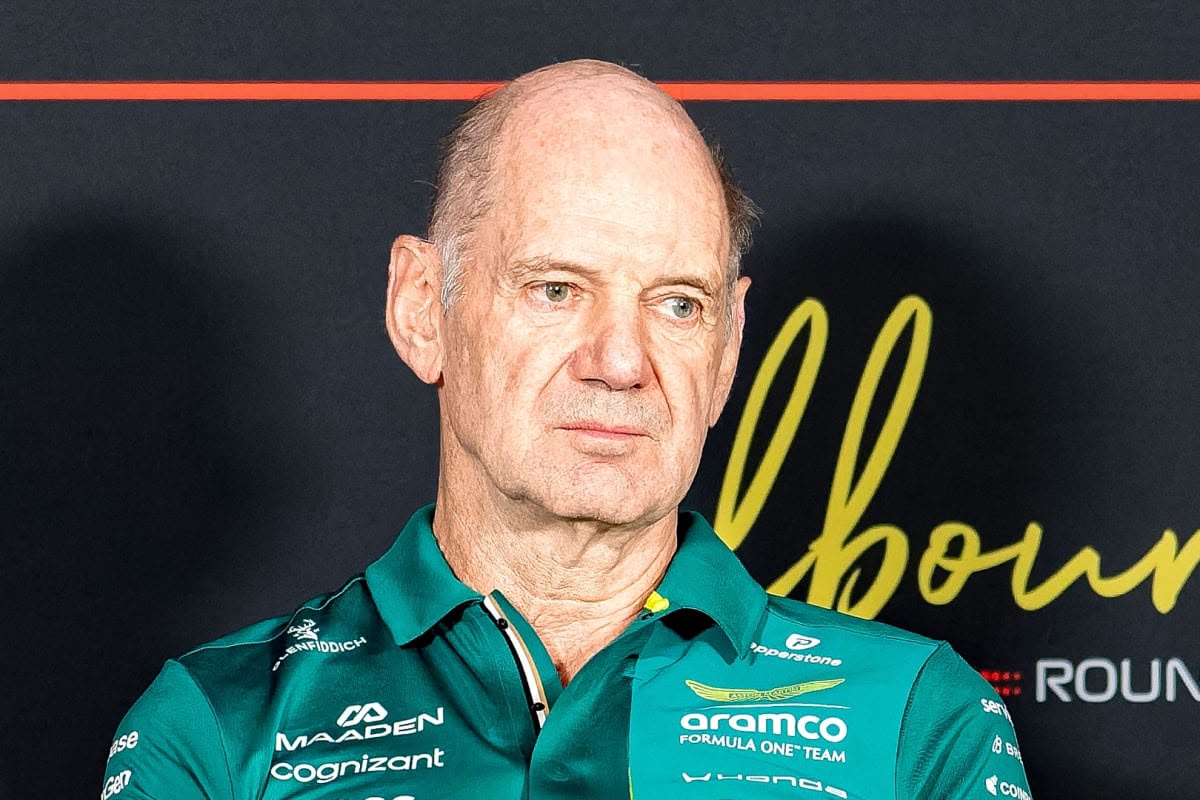

Aston Martin’s long-awaited decision regarding Adrian Newey has finally been confirmed, bringing clarity to a situation that has generated significant speculation within the Formula 1 paddock. The development comes at a crucial time for the Silverstone-based team, which has endured a highly challenging start to the 2026 season, leaving fans, analysts, and stakeholders eager for direction and reassurance about the team’s future trajectory.
At the heart of the matter is Newey’s strategic call to delay immediate upgrades to the AMR26 car, opting instead for a more calculated and comprehensive overhaul later in the season. According to senior team figures, this decision has now been fully endorsed by Aston Martin’s leadership, signaling a unified commitment to a long-term recovery plan rather than short-term fixes.
This approach stems from the team’s difficult early-season performance. Aston Martin has struggled to make an impact on the grid, managing only minimal points returns and suffering multiple retirements due to reliability concerns. Both Fernando Alonso and Lance Stroll have faced persistent issues with the car, ranging from power unit inefficiencies to aerodynamic shortcomings. These setbacks have placed the team near the back of the field—an outcome far below expectations given the massive investment and high-profile recruitment of Newey.
Newey, widely regarded as one of the most successful engineers in Formula 1 history, joined Aston Martin with the expectation that he would transform the team into championship contenders. Over his illustrious career, he has been instrumental in securing multiple drivers’ and constructors’ titles with teams like Williams, McLaren, and Red Bull. However, his initial design for the 2026 car has not delivered the immediate competitive edge many anticipated, leading to growing scrutiny and pressure from both within and outside the team.
Rather than rushing incremental upgrades, Newey proposed a bold alternative: accept short-term struggles and focus on developing a significantly improved version of the car to be introduced around the summer break. This revised package—often referred to internally as a “B-spec” car—is expected to include extensive changes to the chassis, aerodynamics, and overall performance characteristics.
Team principal-level leadership has made it clear that they are fully backing this plan. The rationale is rooted in the belief that piecemeal updates would not adequately address the fundamental flaws in the current car. Instead, a more holistic redesign offers a better chance of achieving meaningful progress. As one senior figure explained, sticking with Newey’s vision—even when it involves enduring poor results in the short term—is essential for long-term success.
This decision has not been without controversy. Drivers, particularly Alonso, have expressed frustration at the lack of competitiveness and the slow pace of improvement. The Spaniard has openly highlighted the difficulties of racing with an underperforming car, emphasizing how exhausting it is to repeatedly explain the team’s struggles. Internally, there is also pressure to ensure that the delayed upgrade strategy pays off, as continued poor results could have broader implications for team morale and driver retention.
Compounding the challenge is Aston Martin’s transition to a new power unit partnership with Honda. While there are provisions that allow Honda to introduce performance upgrades during the season, the integration of the new engine has contributed to reliability and performance inconsistencies. These technical hurdles have reinforced the argument for a comprehensive redesign rather than incremental changes.
It is also important to understand that Newey’s role within Aston Martin extends beyond traditional engineering duties. Having stepped into a leadership position for 2026, he carries significant responsibility for both the technical direction and overall performance of the team. This dual role adds another layer of complexity, as his decisions influence not only the car’s design but also the broader strategic direction of the organization.
Despite the current difficulties, there remains a strong sense of belief in Newey’s capabilities. Within the team, he is still viewed as the figure most capable of orchestrating a turnaround. His track record suggests that given time and the right resources, he can deliver competitive machinery. This confidence is a key factor behind Aston Martin’s decision to stand firmly behind his strategy, even in the face of mounting criticism.
Looking ahead, the success or failure of this decision will likely define Aston Martin’s 2026 season. If the planned upgrades deliver the expected performance gains, the team could recover from its early struggles and re-enter the fight for points—and potentially more. However, if the improvements fall short, questions will intensify regarding both the direction of the project and the effectiveness of Newey’s leadership.
In many ways, Aston Martin’s current situation reflects a broader philosophical divide in Formula 1 development strategies. Some teams prioritize continuous incremental improvements, while others, like Aston Martin in this instance, are willing to endure short-term setbacks in pursuit of a larger breakthrough. By choosing the latter path, Aston Martin has effectively placed its faith in Newey’s vision and expertise.
Ultimately, the confirmation of this decision brings much-needed clarity but also raises the stakes. The coming races before the summer break will likely be challenging, as the team continues to operate with an underperforming package. All eyes will then turn to the upgraded car, which is expected to represent a significant step forward.
For now, Aston Martin has made its position clear: Adrian Newey’s strategy is the one they believe offers the best chance of long-term success. Whether that belief is justified will become evident in the second half of the season, when the results of this bold and high-risk decision finally take shape.