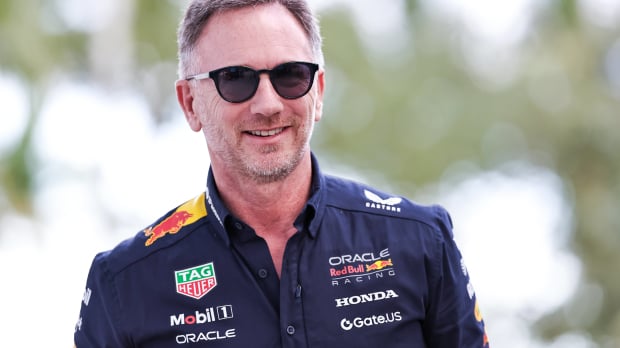

Christian Horner, one of the most recognizable and influential figures in modern Formula One history, has officially embarked on a new professional chapter following his high-profile departure from Red Bull Racing. After months of speculation surrounding his future, the former team principal has confirmed his next move, expressing both enthusiasm and renewed purpose as he steps into a role outside the Formula One paddock.
Horner’s exit from Red Bull in July 2025 sent shockwaves throughout the motorsport world. Having led the team for approximately two decades, he was widely credited with transforming the outfit into one of the most dominant forces in Formula One. During his tenure, Red Bull secured multiple Drivers’ and Constructors’ Championships, establishing a legacy that placed Horner among the most successful team principals in the sport’s history.
Despite the abrupt nature of his departure, Horner has now re-emerged with a fresh opportunity that signals a shift in direction rather than a retreat from elite competition. In an official announcement, it was confirmed that he has accepted a position as an advisor with Oakley Capital, a London-based private equity firm. This role represents his first major professional engagement since leaving Formula One and marks a significant transition into the world of finance and investment.
Speaking about the new appointment, Horner conveyed genuine excitement about the challenge ahead. He emphasized that the role would allow him to apply his extensive experience in leadership, high-performance environments, and strategic decision-making to a different industry. His involvement is expected to focus on investments in premium sports and related sectors, an area where his knowledge and network could prove highly valuable.
The move to Oakley Capital may appear unconventional at first glance, but it aligns with a broader trend of elite sports figures transitioning into advisory or executive roles within the investment space. Horner’s deep understanding of brand building, operational excellence, and competitive strategy makes him a strong fit for such a position. Over the years, he has demonstrated an ability to manage complex organizations, nurture talent, and deliver sustained success under intense pressure—qualities that are highly prized in the private equity world.
Importantly, this new role does not necessarily signal the end of Horner’s involvement in Formula One. In fact, many insiders believe it could serve as a strategic stepping stone rather than a permanent departure. Since leaving Red Bull, Horner has been frequently linked with potential returns to the sport, with several teams reportedly considering him for leadership or advisory positions. Although none of these opportunities have materialized so far, the door remains open for a future comeback.
There have even been indications that Horner structured his exit in a way that would allow him to return to Formula One relatively quickly. Reports suggest that he accepted certain conditions in his departure agreement to shorten any mandatory break from the sport, enabling him to explore new opportunities sooner rather than later. This has only fueled speculation that his current role could be temporary or complementary to a future position within the F1 ecosystem.
In the meantime, Horner appears fully committed to making an impact in his new environment. His appointment at Oakley Capital is expected to involve working closely with senior leadership to identify and develop investment opportunities, particularly those connected to high-end sports ventures. Given the increasing intersection between sports, media, and finance, his insights could help the firm capitalize on emerging trends and growth areas.
The timing of this move is also noteworthy. Formula One itself is undergoing significant transformation, with new regulations, expanding global audiences, and increasing commercial opportunities reshaping the landscape. As a result, individuals with Horner’s level of experience and expertise remain in high demand, both within and outside the sport. His decision to step into the investment world may therefore reflect a desire to broaden his horizons while maintaining a connection to the industries he knows best.
Horner’s legacy at Red Bull remains firmly intact despite the circumstances of his departure. Over more than 20 seasons, he oversaw an era of unprecedented success, guiding the team to numerous race victories and championship titles. His leadership played a crucial role in the careers of multiple world champions and helped establish Red Bull as a powerhouse in Formula One.
As he begins this new chapter, the motorsport community will undoubtedly continue to watch his journey with keen interest. Whether he eventually returns to the Formula One grid or continues to build a career in the investment sector, Horner’s influence on the sport is unlikely to fade anytime soon.
For now, however, the focus is on the present. With a new role, fresh challenges, and a different arena in which to operate, Christian Horner is embracing change with the same determination and ambition that defined his time in Formula One. His latest move may mark a departure from the pit wall, but it is far from the end of his story in the world of high-performance competition and leadership.