
Formula 1 is preparing for another major shake-up ahead of the 2026 season, and one of the sport’s most talked-about overtaking systems could disappear entirely from the Monaco Grand Prix. The famous street circuit, long criticized for producing processional races with little wheel-to-wheel action, is now at the center of fresh regulation changes that could dramatically alter the spectacle in Monte Carlo.
The latest developments suggest that Formula 1 officials are moving away from the current Drag Reduction System, commonly known as DRS, and replacing it with a completely new overtaking concept under the 2026 regulations. Monaco, a circuit already notorious for its lack of overtaking opportunities, appears set to lose one of the final remaining tools drivers use to attack rivals during races.
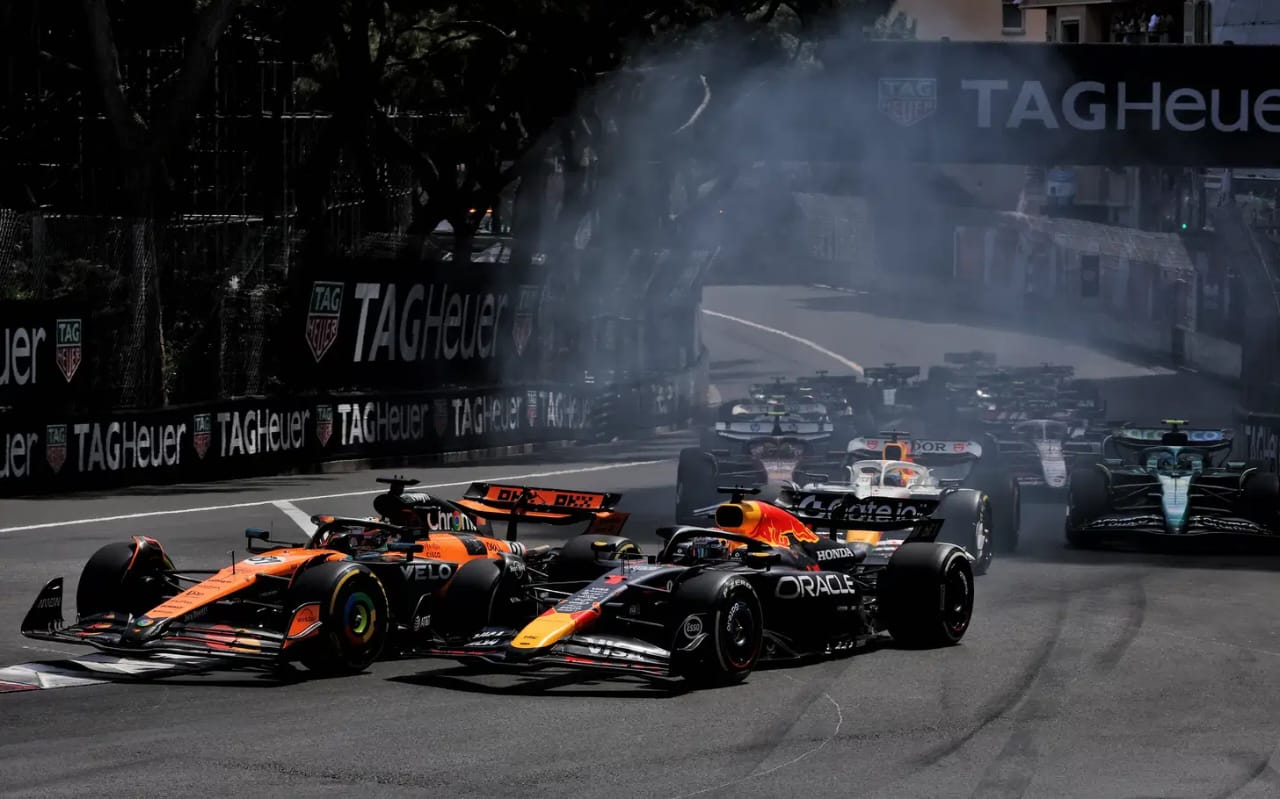
The discussion gained momentum after widespread criticism of recent Monaco Grands Prix, where strategic manipulation and traffic management became bigger stories than actual racing. Many fans, teams, and former drivers argued that the event had turned into a tactical procession rather than a genuine contest. Even though Monaco remains one of the most iconic races in motorsport history, concerns have grown louder about whether modern Formula 1 cars are simply too large and too difficult to race around the narrow streets of Monte Carlo.
Last season, Formula 1 attempted to improve the show by introducing a mandatory two-stop strategy rule specifically for Monaco. The FIA hoped that forcing drivers to use multiple tyre sets would create unpredictable race situations and open the door for more drama. Instead, the experiment generated controversy. Several teams used team tactics to deliberately slow down rivals and create pit-stop windows for their teammates, leading to criticism that the race had become artificial.
Drivers were reportedly forced to circulate several seconds slower than their actual pace in order to help their teammates gain track position. While the rule technically increased strategic variety, many inside the paddock felt it damaged the spirit of racing. Team principals and drivers admitted afterward that the tactics felt uncomfortable and did little to solve the core issue — overtaking in Monaco remains almost impossible.
Because of that backlash, Formula 1 and the FIA have now decided to remove the special Monaco two-stop requirement from the 2026 regulations. But the bigger headline revolves around the overtaking systems themselves. DRS, which has been a part of Formula 1 since 2011, is also heading for retirement as part of the sweeping 2026 rule overhaul.
Under the new rules, DRS will be replaced by what Formula 1 is calling “Overtake Mode” or “Manual Override.” Rather than opening a rear wing flap to reduce drag, drivers will receive an electrical power boost when they are close enough to the car ahead. The system is expected to work more like an IndyCar-style push-to-pass mechanism, giving chasing drivers temporary bursts of extra energy to attempt overtakes.
The FIA believes this new technology could improve racing by making overtakes feel more natural and skill-based. Instead of relying on aerodynamic assistance alone, drivers will have to carefully manage electrical deployment, battery usage, and timing during battles. Officials also believe the new system could create overtaking opportunities in corners and sections of circuits where passes rarely happen today.
However, Monaco presents a unique challenge. DRS has never been particularly effective around the principality because there are very few long straights and almost no realistic braking zones. Drivers often spend the entire race trapped in traffic with little chance to attack, regardless of tyre condition or pace advantage. The tunnel section remains one of the only possible areas for overtaking attempts, but even there opportunities are limited.
That reality has forced Formula 1 to explore circuit-specific solutions. Reports indicate that officials are considering Monaco-specific adjustments to the new overtaking system. The regulations may allow the FIA to tweak power deployment levels for certain circuits, meaning Monaco could receive a more aggressive version of the new override system in an effort to encourage passing.
Some insiders believe the removal of traditional DRS could actually benefit Monaco in the long term. Because the new overtaking aid relies on electrical energy rather than aerodynamic wing openings, it could theoretically be activated in places where DRS could never safely operate. The tunnel exit and braking zone into the Nouvelle Chicane have already been mentioned as possible overtaking hotspots under the new rules.
Another factor that could influence racing is the design of the 2026 cars themselves. Formula 1 plans to introduce slightly smaller, lighter, and more agile machines in an effort to improve close racing. Current cars are widely viewed as too large for Monaco’s narrow layout, making wheel-to-wheel combat extremely difficult. The hope is that slimmer cars combined with new overtaking technology could finally improve the spectacle at one of the sport’s oldest venues.
There have also been discussions about physically modifying parts of the Monaco circuit. Some team bosses and former drivers have proposed widening certain corners or redesigning braking zones to create at least one genuine overtaking opportunity. Suggestions include changes near Sainte Devote, the Nouvelle Chicane, and even the famous Fairmont Hairpin.
Despite all the criticism, Monaco still holds enormous historical and commercial value for Formula 1. The glamour, prestige, and tradition of the event remain unmatched in many respects. Winning in Monaco is still considered one of the greatest achievements in a driver’s career. Yet the pressure is growing for Formula 1 to ensure the race delivers excitement worthy of its legendary reputation.
The 2026 regulation overhaul represents one of the biggest transformations in modern Formula 1 history. Alongside the overtaking changes, the new era will feature active aerodynamics, increased electrical power, sustainable fuels, and major adjustments to car performance characteristics. FIA officials hope these changes will produce closer racing across the entire calendar, including circuits that have traditionally struggled to deliver action.
For Monaco, the stakes are especially high. If the new systems fail to improve the racing spectacle, questions about the future of the event could become even louder. Critics argue that Formula 1 cannot continue relying solely on Monaco’s history and glamour if the races themselves fail to entertain modern audiences. Supporters, meanwhile, insist the event’s uniqueness should be preserved regardless of overtaking statistics.
What is clear is that Formula 1 is no longer afraid to rethink long-standing traditions in pursuit of better racing. The removal of DRS and the experimentation with new overtaking technology signal a bold new direction for the sport. Whether Monaco can successfully adapt to that future remains one of the biggest questions heading into the 2026 season.