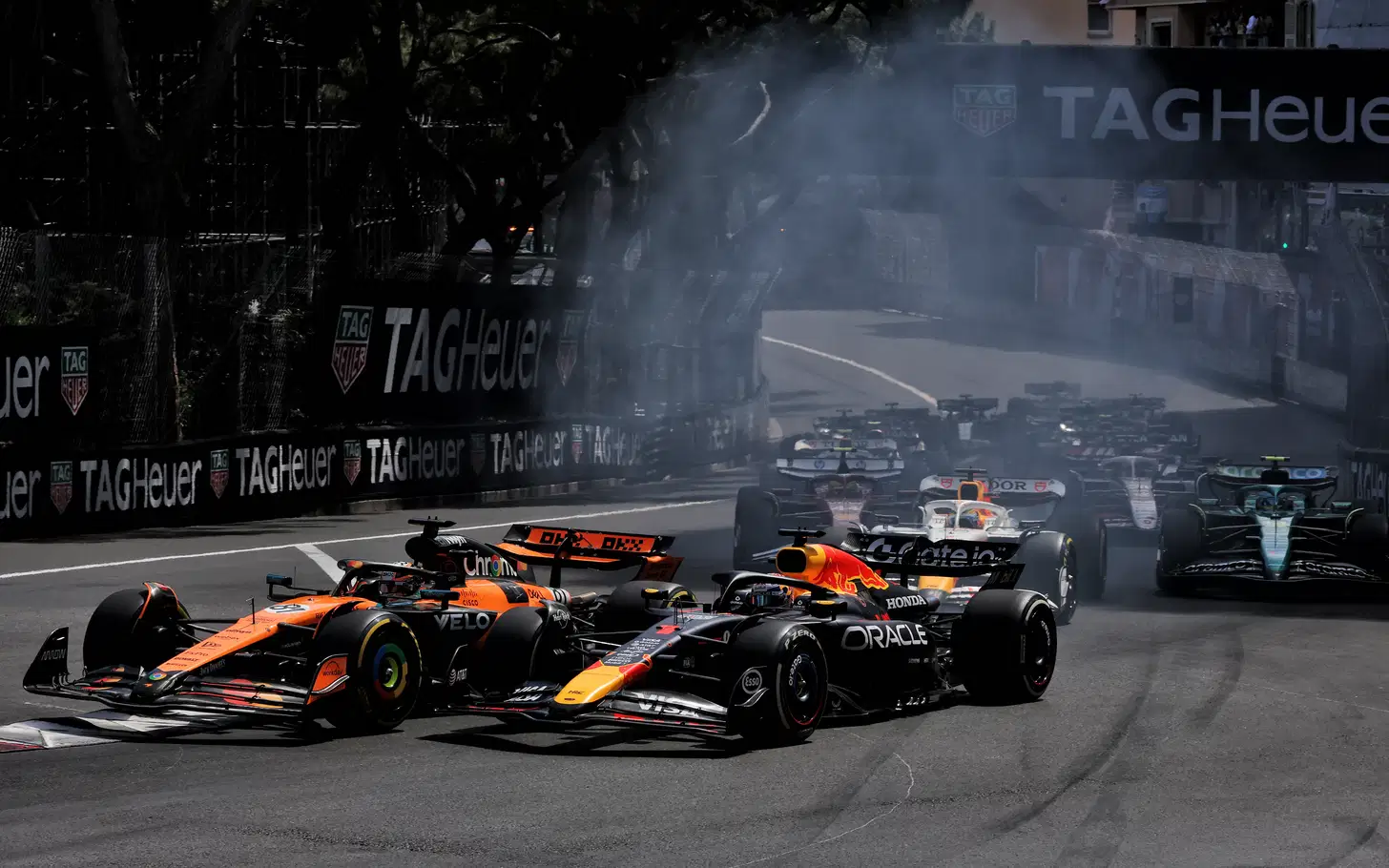
Formula 1’s new overtaking technology will not be used during the Monaco Grand Prix, making the famous street race the first event on the 2026 calendar to run without the championship’s updated “straight mode” system. The decision has immediately sparked debate across the paddock, especially because Monaco has long been criticised for producing races with very few overtaking opportunities.
The new Formula 1 regulations introduced for the 2026 season brought major technical changes to the sport. One of the biggest adjustments involved the removal of the traditional DRS system, which had been part of Formula 1 since 2011. Instead of the old drag reduction system, teams and drivers now use a combination of active aerodynamics and a new energy-based overtaking feature. These systems were created to improve racing while also adapting to the championship’s new generation of hybrid power units.
Under the updated rules, the cars feature moveable front and rear wings that can adjust depending on whether the car is travelling on a straight or through corners. This technology is designed to reduce drag and improve efficiency. The changes were necessary because Formula 1’s new engines now rely much more heavily on electric power than before, with a 50:50 balance between battery energy and internal combustion performance.
Unlike the previous DRS setup, which only opened the rear wing of the chasing car in designated zones, the new system operates differently. Drivers now have access to an “overtake mode,” sometimes referred to as a power override system. When a driver is close enough to the car ahead, extra electrical energy can be deployed temporarily to help create a passing opportunity. The idea is similar to push-to-pass systems seen in other motorsport categories.
However, Monaco will not make use of the straight mode aerodynamic activation zones that have appeared at other circuits during the 2026 campaign. According to the official Monaco track layout released ahead of the race weekend, there are no designated straight mode sections anywhere around the Monte Carlo circuit.
This makes Monaco unique on the calendar and reflects the particular challenges of racing around the narrow street track. In previous years, even the old DRS system had limited impact at Monaco. The only DRS activation zone was located on the pit straight, but because the straight is relatively short, drivers rarely gained enough speed advantage to complete an overtake before reaching the Sainte Devote corner. Safety concerns also prevented DRS usage through the famous tunnel section.
Although straight mode has been removed for Monaco, Formula 1 will still allow drivers to use the overtake mode energy boost during the race. Reports indicate that the detection point for the system will be located before the Rascasse corner. Drivers who are within the required distance of the car ahead will then be able to activate the extra power as they exit the corner and approach the final turn at Anthony Noghes.
Monaco’s reputation for processional racing has been a major talking point in recent seasons. The circuit is legendary because of its history, glamour, and difficulty, but modern Formula 1 cars have become significantly larger and heavier over the years. This has made overtaking increasingly difficult on the tight streets of Monte Carlo. Many drivers and team bosses have openly admitted that qualifying has become more important than the race itself at Monaco because passing opportunities are so rare.
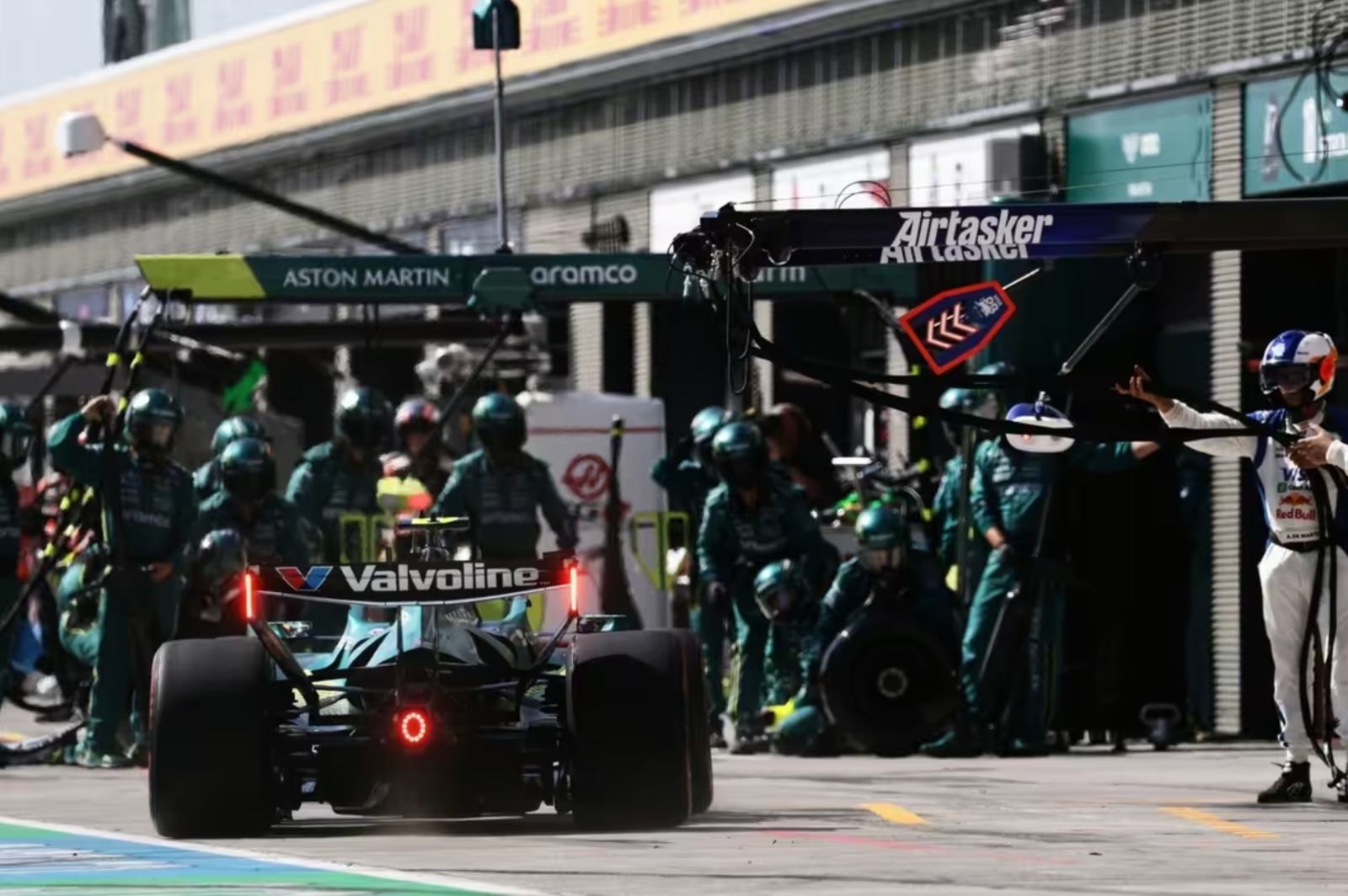
Last season, Formula 1 attempted to improve the spectacle by introducing a mandatory two-stop strategy rule specifically for Monaco. Teams were forced to use multiple tyre compounds during the race in the hope that different pit strategies would create unpredictability and increase action on track. However, the experiment failed to deliver the excitement many had expected. Instead, several teams manipulated the pace of their second cars to create gaps for teammates during pit stops, leading to criticism from fans, drivers, and team principals.
Because of the backlash surrounding that strategy experiment, Formula 1 officials later decided to remove the mandatory two-stop rule for future Monaco Grands Prix. Many insiders felt that artificial sporting rules were not enough to solve Monaco’s deeper overtaking problems.
Some within the paddock have argued that the 2026 regulations themselves could have helped improve racing in Monaco. Since the new overtaking system relies more on electrical energy deployment rather than aerodynamic drag reduction, certain experts believed it might create better attacking opportunities around the principality. There was even discussion about tailoring the energy deployment rules specifically for Monaco to give chasing drivers a larger advantage.
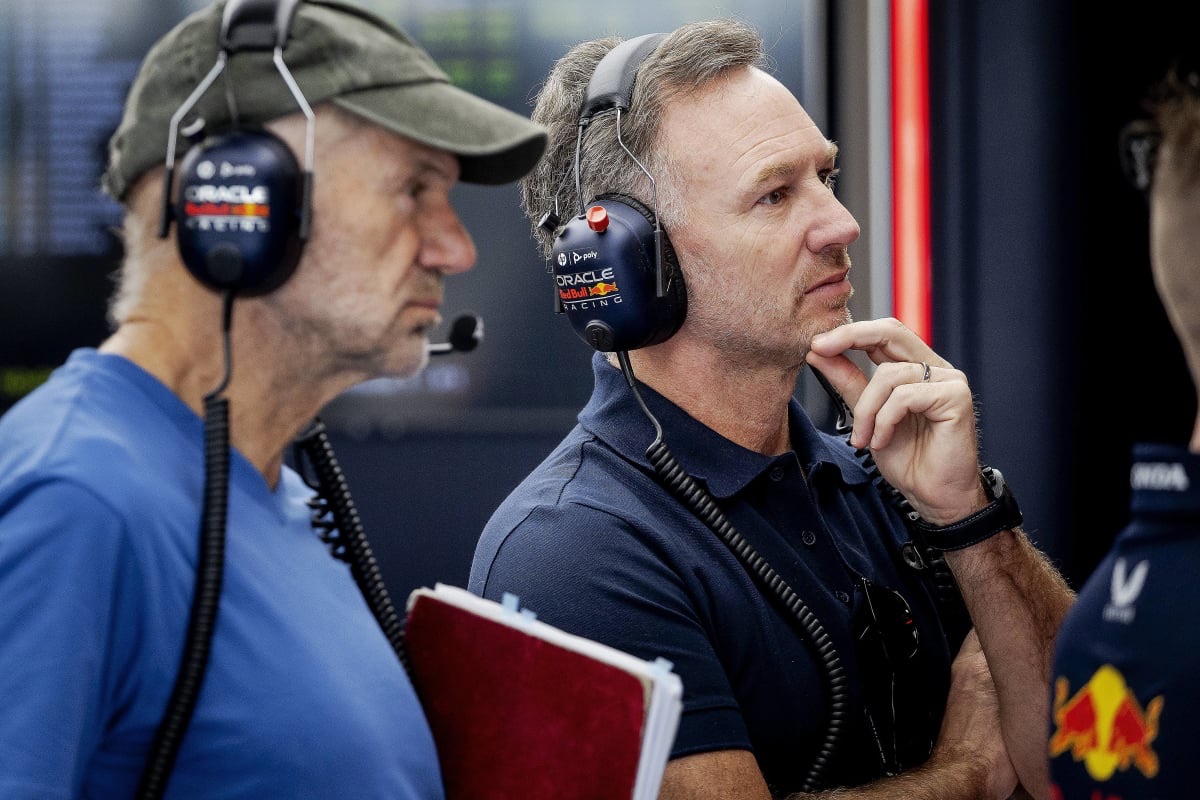
Others have suggested physical modifications to the circuit. Ideas have included changes to the Nouvelle Chicane, adjustments at Rascasse, and widening certain sections near the Fairmont Hairpin. Red Bull team boss Christian Horner was among those who stated that even a single improved braking zone could potentially transform the racing.
Despite those discussions, Monaco remains one of the most difficult places in world motorsport for overtaking. The circuit’s barriers are extremely close to the track, leaving almost no room for mistakes. Drivers often describe a qualifying lap around Monaco as one of the greatest challenges in Formula 1 because they must push to the absolute limit while threading the car through tight corners at high speed.
The decision to remove straight mode activation zones for the Monaco Grand Prix shows that Formula 1 and the FIA are still searching for the best balance between safety, competition, and entertainment under the new regulations. While the championship’s updated technology may improve racing at other venues, Monaco continues to stand apart because of its unique layout and historic character.
Even so, the event remains one of the crown jewels of Formula 1. Drivers still dream of winning on the streets of Monte Carlo because of the prestige attached to the race. Victory in Monaco is often considered one of the sport’s greatest achievements, regardless of the ongoing debates about overtaking and race quality.
Attention will now turn to how the teams adapt their strategies for a Monaco weekend without straight mode assistance. Qualifying is once again expected to play a massive role in deciding the outcome, and teams will need to focus heavily on track position, tyre management, and precision execution during pit stops.
Whether the removal of straight mode proves to be the correct decision remains to be seen. What is certain is that Monaco continues to challenge Formula 1 in ways no other circuit can, forcing the sport to constantly rethink how modern technology and racing traditions can coexist on one of motorsport’s most iconic tracks.