The 2026 Formula 1 Austrian Grand Prix delivered another thrilling chapter in this season’s championship, with fans treated to intense battles, strategic drama, overtaking action, and several unexpected twists around the iconic Red Bull Ring.
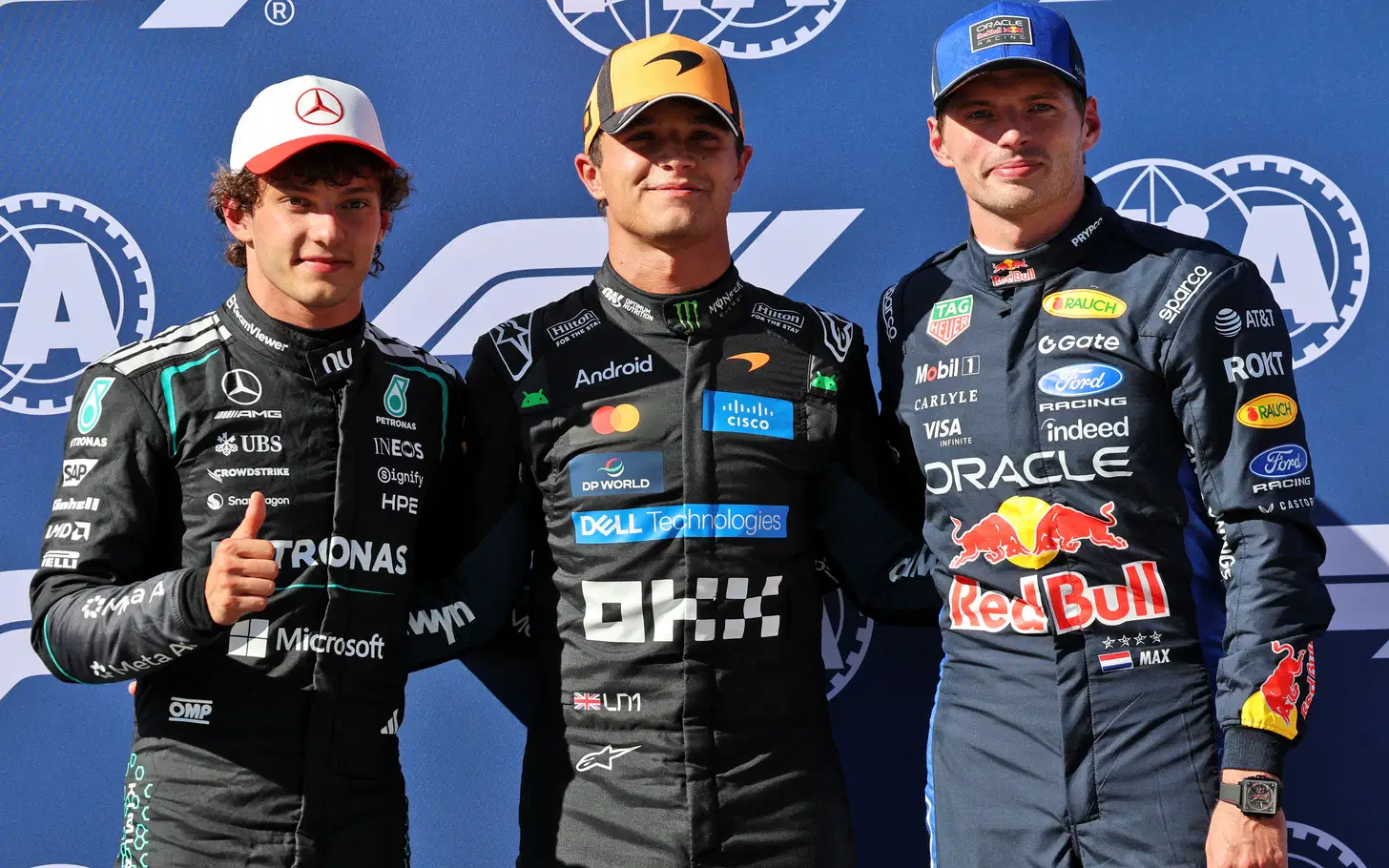
After an eventful qualifying session that saw George Russell secure pole position following Max Verstappen’s dramatic late crash, all eyes turned to race day to see whether Mercedes could convert its front-row advantage into victory. The answer was a resounding yes, as Russell produced another composed and commanding drive to take the chequered flag after 71 action-packed laps.
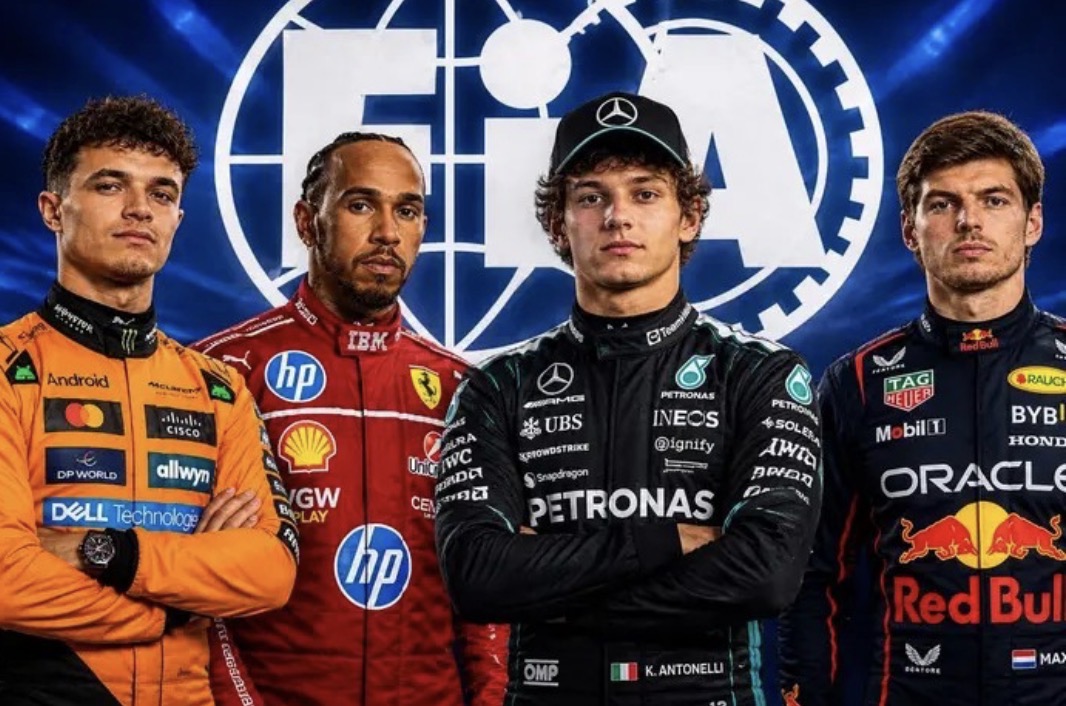
From the very beginning, the race promised excitement. The lights went out under clear skies, and Russell reacted perfectly from pole position, maintaining his lead into Turn 1 despite immediate pressure from Ferrari’s Charles Leclerc. Lewis Hamilton also enjoyed a strong launch, while Kimi Antonelli remained firmly in contention during the opening laps.
Behind the leading quartet, several midfield drivers fought aggressively for position, creating entertaining wheel-to-wheel racing through the opening sector. The Red Bull Ring’s short lap meant the field remained tightly packed, with multiple overtaking opportunities appearing every lap.
Ferrari looked particularly competitive during the opening stint. Leclerc stayed within striking distance of Russell, attempting to pressure the Mercedes driver into making a mistake. Hamilton, meanwhile, managed his tyres carefully while keeping Antonelli behind, allowing Ferrari to occupy two podium positions for much of the race.
Mercedes, however, once again demonstrated why it has been one of the strongest teams under the new 2026 regulations. Russell managed his tyres exceptionally well, consistently matching Ferrari’s pace while preserving enough performance for the closing stages.
Pit-stop strategy quickly became one of the defining features of the race. Teams carefully monitored tyre degradation, with engineers constantly evaluating whether to commit to one-stop or two-stop strategies. Every pit window created opportunities for undercuts and overcuts, making the timing of each stop critically important.
Russell’s crew executed another flawless stop, allowing him to retain track position despite Ferrari’s attempts to leapfrog him through strategy. The efficiency of the Mercedes pit crew once again proved invaluable in maintaining the race lead.
Further down the order, McLaren experienced a mixed afternoon. Despite showing encouraging pace throughout practice and qualifying, both drivers struggled to consistently challenge the leading Mercedes and Ferrari cars during the race. Nevertheless, valuable championship points remained within reach thanks to solid race management and dependable reliability.
Red Bull endured a frustrating home Grand Prix. Following Verstappen’s heavy qualifying accident, the team faced an uphill battle on race day. Although the Dutch driver fought hard throughout the race, recovering positions whenever possible, the earlier setback ultimately left him with too much ground to recover.
Several midfield teams enjoyed encouraging performances. Racing Bulls, Audi, Haas and Alpine all found themselves engaged in close battles for valuable championship points. Small differences in tyre life, fuel management and pit-stop timing often determined which drivers emerged ahead.
The Austrian circuit once again rewarded brave overtaking attempts. Drivers repeatedly used the long straights and heavy braking zones into Turns 3 and 4 to launch attacks, delighting spectators throughout the afternoon.
As the race entered its final phase, Russell gradually increased his advantage at the front. Rather than pushing unnecessarily, he carefully controlled the pace, responding whenever Ferrari attempted to reduce the gap.
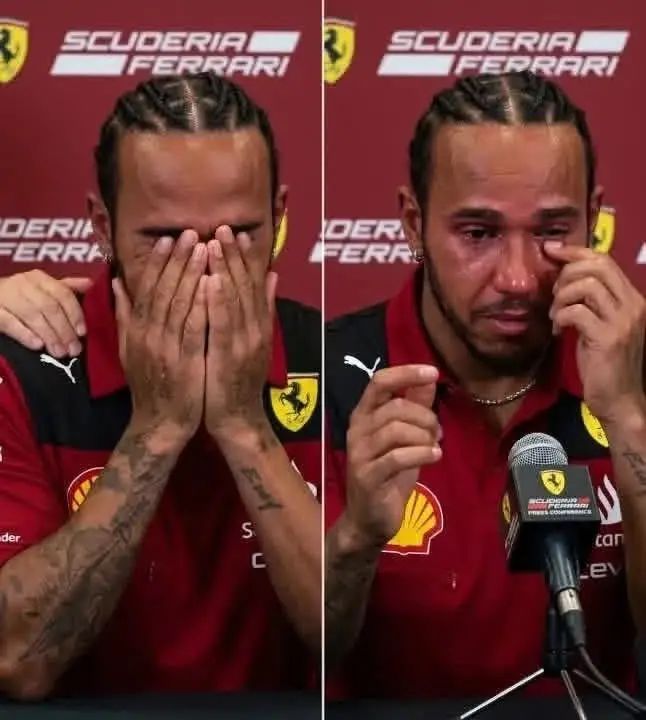
Leclerc continued applying pressure but could never quite close enough to attempt a serious challenge for victory. Hamilton likewise delivered another excellent drive, securing an important podium finish while strengthening Ferrari’s championship campaign.
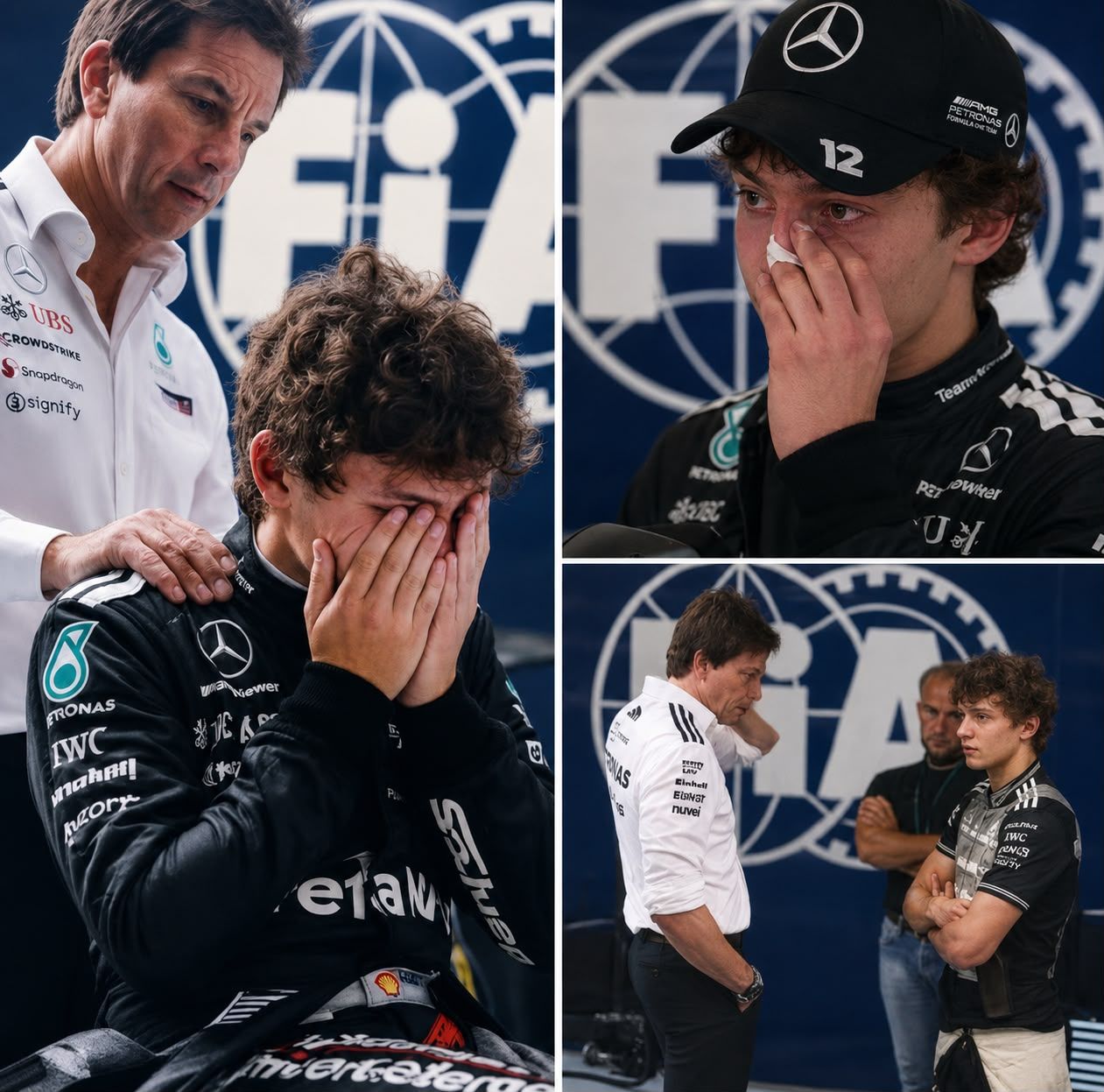
Antonelli remained competitive throughout the afternoon despite narrowly missing out on the podium. His consistency continued to underline why he has emerged as one of the standout performers of the 2026 season.
Elsewhere, several drivers recovered impressively after difficult qualifying sessions. Clever strategy calls, well-timed overtakes and excellent tyre conservation allowed numerous competitors to gain positions before the chequered flag.
Mechanical reliability also played a significant role. While most teams completed the race without major issues, a handful of retirements and technical concerns influenced the final classification and opened opportunities for others to score valuable points.
The Austrian Grand Prix once again highlighted how competitive Formula 1 has become under the latest regulations. Margins between the leading teams remained incredibly small, with strategy, consistency and flawless execution proving just as important as outright speed.
Russell’s victory represented another major success for Mercedes, whose package continues to deliver excellent performance across different circuit characteristics. His calm race management, combined with strong tyre preservation and faultless execution, allowed him to convert pole position into maximum points.
Ferrari also left Austria with considerable optimism. Both Leclerc and Hamilton demonstrated excellent pace throughout the weekend, confirming that the Scuderia remains firmly in contention at the front of the field. Their double podium finish provided a significant boost in both the Drivers’ and Constructors’ Championship battles.
Attention will inevitably turn to Verstappen after another dramatic weekend. The reigning champion showed resilience despite his qualifying crash, fighting back determinedly during the race. Although victory proved impossible, his recovery drive limited the damage in the championship standings.
As the Formula 1 season continues, the Austrian Grand Prix may prove to be another pivotal moment in what is becoming an increasingly fascinating title battle. Mercedes, Ferrari and their closest rivals continue exchanging victories, ensuring that every race weekend carries enormous significance.
With another exciting event now completed, teams immediately shift their focus to the next round of the championship, where development upgrades, strategy and driver performance will once again determine who stands on the top step of the podium.
The final results from Austria reinforced just how competitive the 2026 Formula 1 season has become. George Russell emerged victorious after a controlled drive from pole position, while Charles Leclerc and Lewis Hamilton completed the podium following another impressive Ferrari performance. Behind them, Antonelli and several other leading contenders collected valuable championship points, ensuring that both title races remain wide open heading into the next Grand Prix.