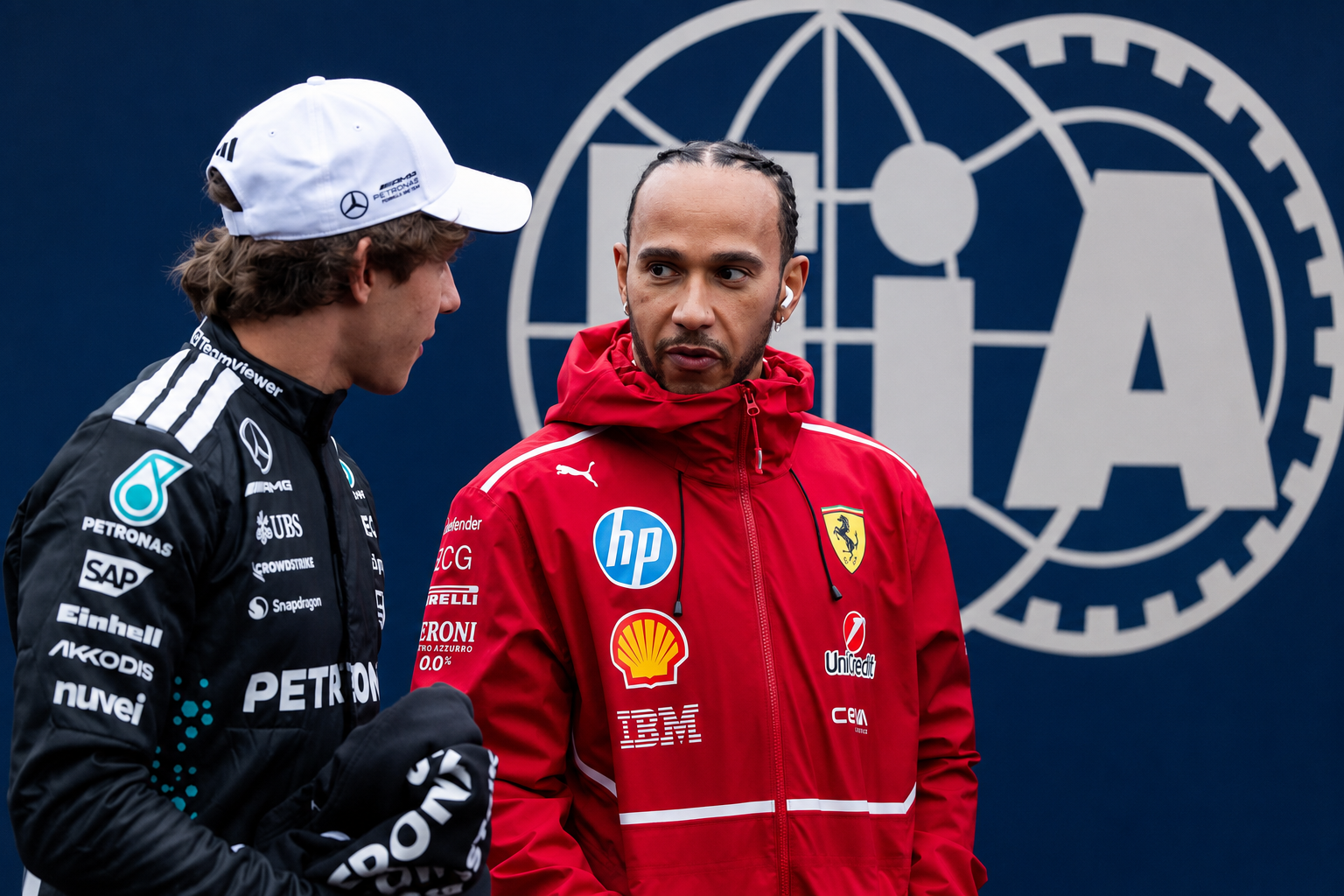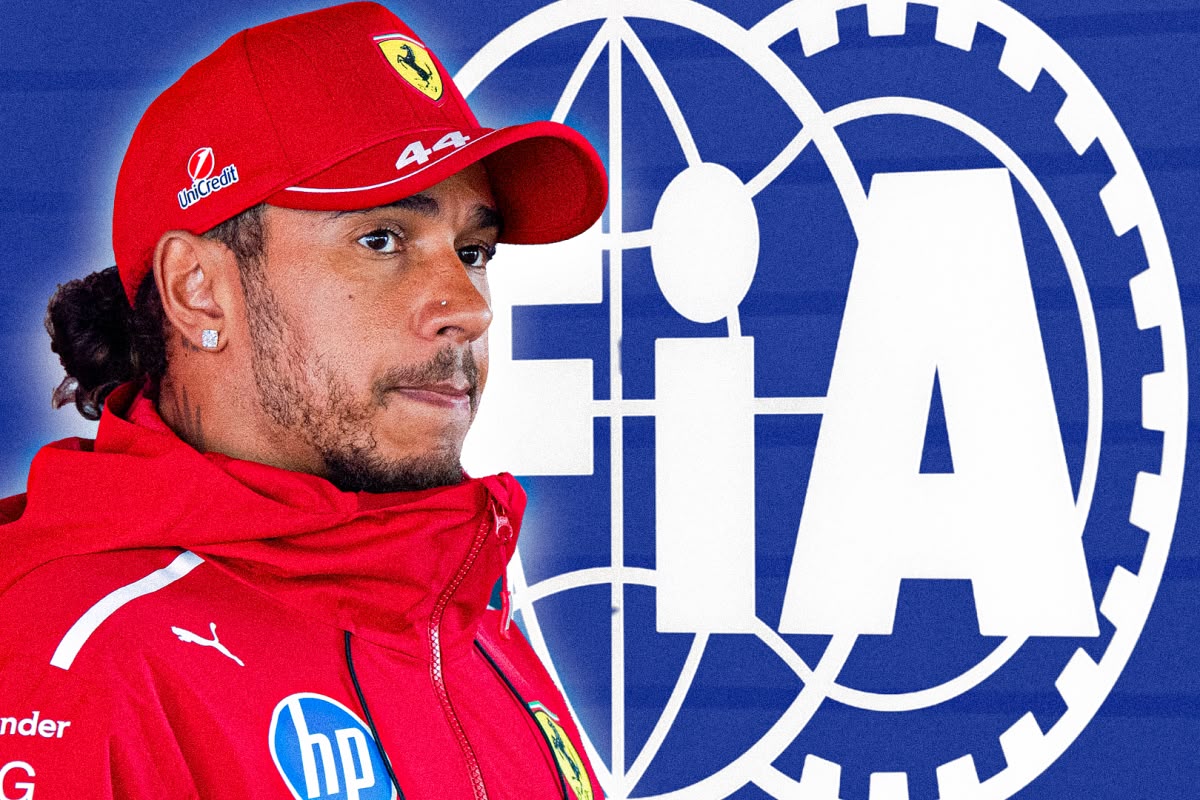

The 2026 Belgian Grand Prix delivered a dramatic and action-packed spectacle, but one of the most talked-about moments of the race came when the FIA handed Lewis Hamilton a time penalty following a controversial on-track incident. The decision quickly became a focal point of debate among fans, analysts, and teams, as it played a role in shaping both the race outcome and the championship narrative.
Hamilton, now racing for Ferrari, found himself at the center of attention early in the race after a collision involving Mercedes driver George Russell. The incident occurred during the opening phase of the Grand Prix, a period often marked by tight racing and heightened tension as drivers battle for position. In this case, the clash had immediate and serious consequences, especially for Russell, whose race ended prematurely.
According to race reports, the collision took place as both drivers fought for track position, with Hamilton’s car making contact with Russell’s machine. The impact sent Russell off the track and into retirement, effectively ending his chances of scoring points in what was already a crucial race for his championship ambitions.
After reviewing the incident, the FIA stewards concluded that Hamilton bore a significant portion of the responsibility for the collision. As a result, they imposed a five-second time penalty on the Ferrari driver. This type of penalty is relatively common in Formula 1 and is typically served during a pit stop or added to the driver’s final race time if it is issued later in the race.
The decision sparked immediate discussion within the paddock. While some observers agreed with the stewards’ assessment, arguing that Hamilton’s move was overly aggressive and deserved punishment, others felt the incident fell within the bounds of hard racing. In Formula 1, determining fault in such situations is rarely straightforward, as multiple factors such as racing lines, braking points, and driver intent must be considered.
Despite the penalty, Hamilton managed to continue his race and ultimately crossed the finish line in fourth place. This result demonstrated both his resilience and the competitiveness of the Ferrari car, even under challenging circumstances. However, the time penalty may have cost him a chance at a podium finish, adding another layer of frustration to his race.
For Russell, the outcome was far more damaging. The early retirement not only denied him valuable points but also dealt a blow to his championship hopes. Coming into the race as one of the title contenders, Russell needed a strong performance to keep pace with his rivals. Instead, the crash left him empty-handed and facing a growing points deficit in the standings.
The broader context of the race further amplified the significance of the incident. Mercedes driver Kimi Antonelli capitalized on the chaos to secure victory, extending his lead in the championship standings. With rivals encountering setbacks, Antonelli’s win strengthened his position at the top and increased the pressure on competitors like Hamilton and Russell to respond in upcoming races.
In addition to the collision, Hamilton’s race weekend was not without other challenges. Reports indicated that Ferrari had already faced scrutiny from the FIA earlier in the weekend over procedural issues, resulting in financial penalties for the team. While these fines were unrelated to the on-track incident, they contributed to a difficult and eventful weekend for the Scuderia.
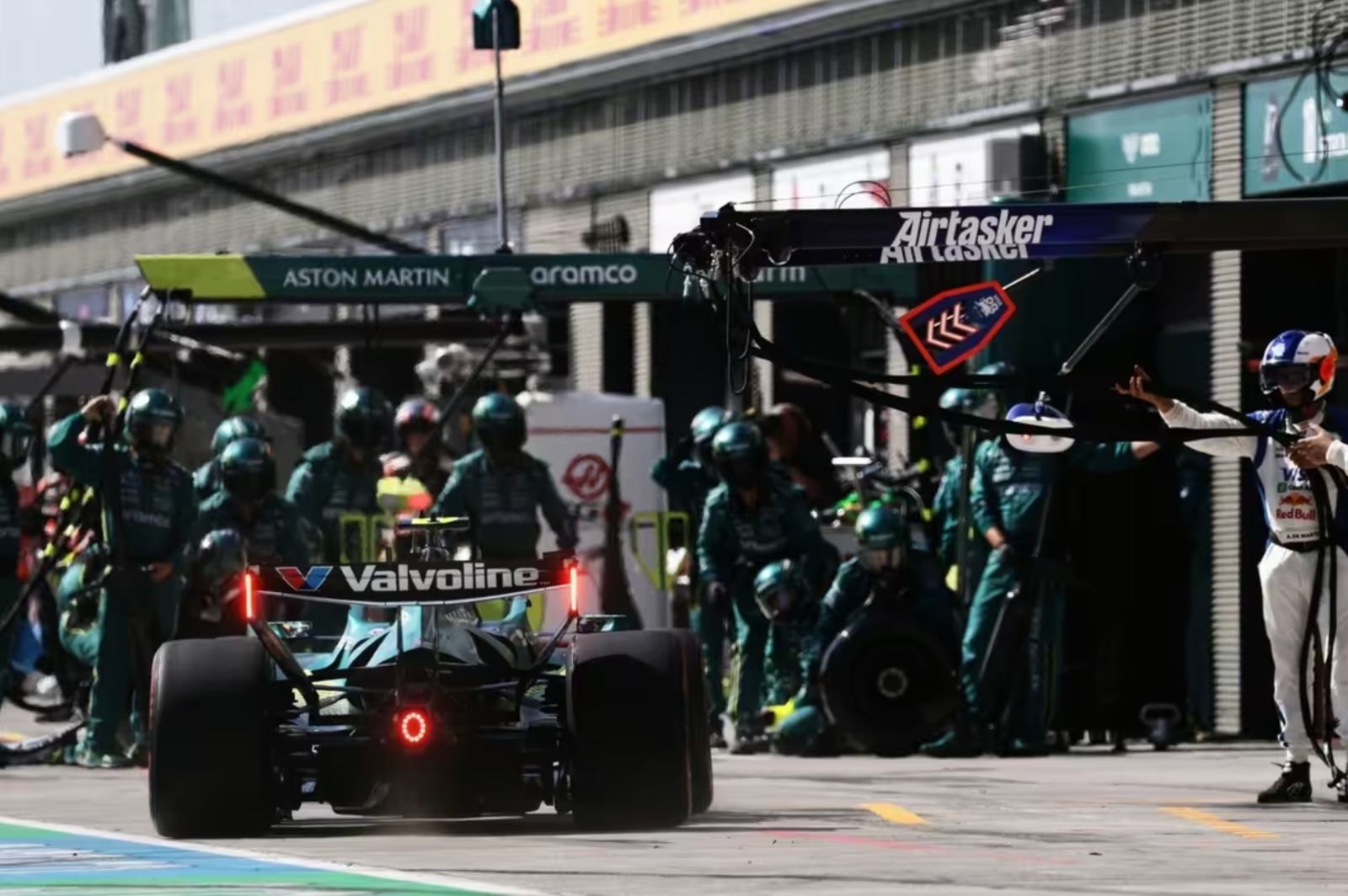
There were also concerns surrounding safety during the race, including a separate pit lane incident involving Hamilton and a Ferrari mechanic. Although no injuries were reported, the situation highlighted the high-pressure environment in which teams operate and the importance of strict adherence to safety protocols.
From a sporting perspective, the penalty once again underscored the FIA’s role in maintaining fairness and discipline in Formula 1. Stewards are tasked with making quick yet accurate decisions in high-stakes situations, often under intense scrutiny from teams and fans alike. While their rulings are not always universally accepted, they are essential for ensuring that the sport remains competitive and safe.
For Hamilton, the incident served as a reminder of the fine margins that define success in Formula 1. Even a small misjudgment can have significant consequences, not only for race results but also for championship standings. Despite the setback, his ability to recover and finish strongly demonstrated why he remains one of the sport’s most experienced and determined competitors.
Looking ahead, the fallout from the Belgian Grand Prix is likely to carry over into future races. Tensions between drivers and teams could rise, particularly given the championship implications of the incident. Both Hamilton and Russell will be eager to move past the controversy and focus on upcoming opportunities to score points and close the gap to the championship leader.
In conclusion, the FIA’s decision to penalize Lewis Hamilton at the Belgian Grand Prix added another layer of drama to an already eventful race. The collision with George Russell not only influenced the race outcome but also had broader implications for the title fight. While opinions on the penalty may differ, there is no doubt that the incident will be remembered as one of the defining moments of the 2026 Belgian Grand Prix, highlighting both the intensity and unpredictability that make Formula 1 one of the most captivating sports in the world.