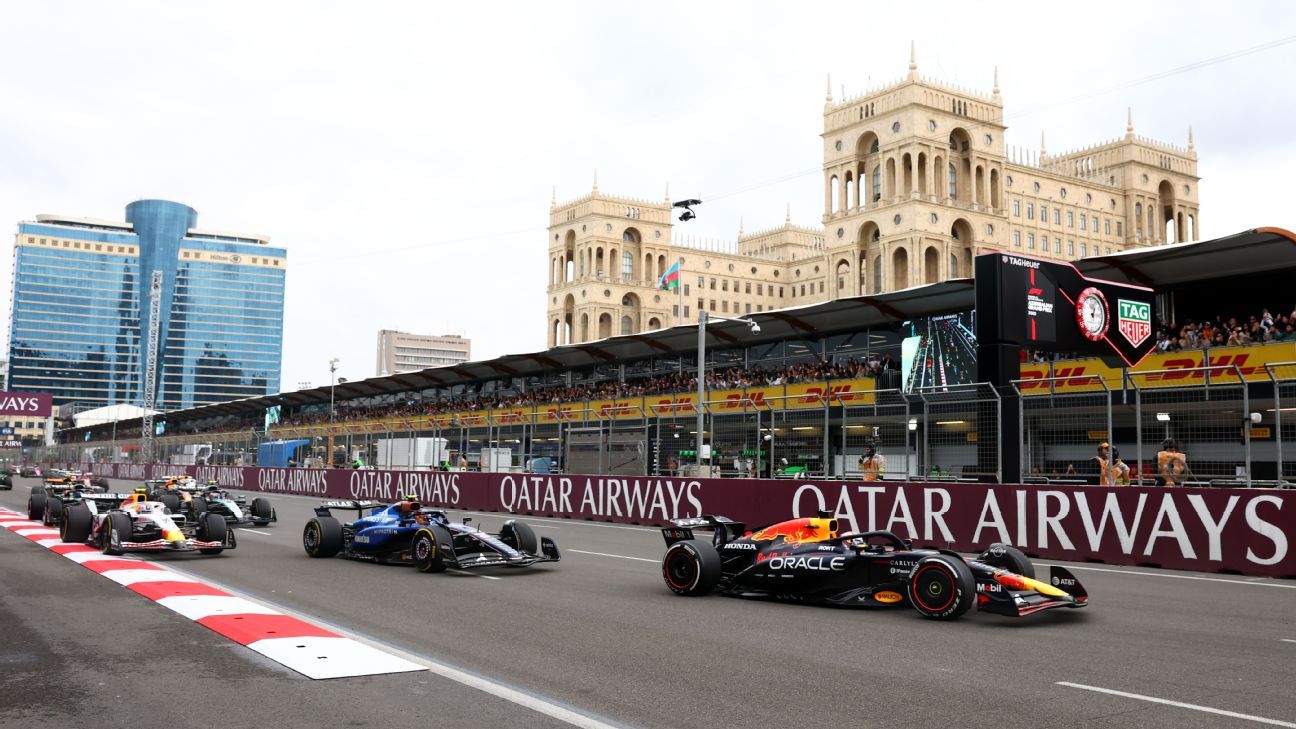
Audi Formula 1 driver Gabriel Bortoleto was handed a post-race penalty at the Azerbaijan Grand Prix after the FIA admitted that an error involving the safety car signals contributed significantly to the incident.
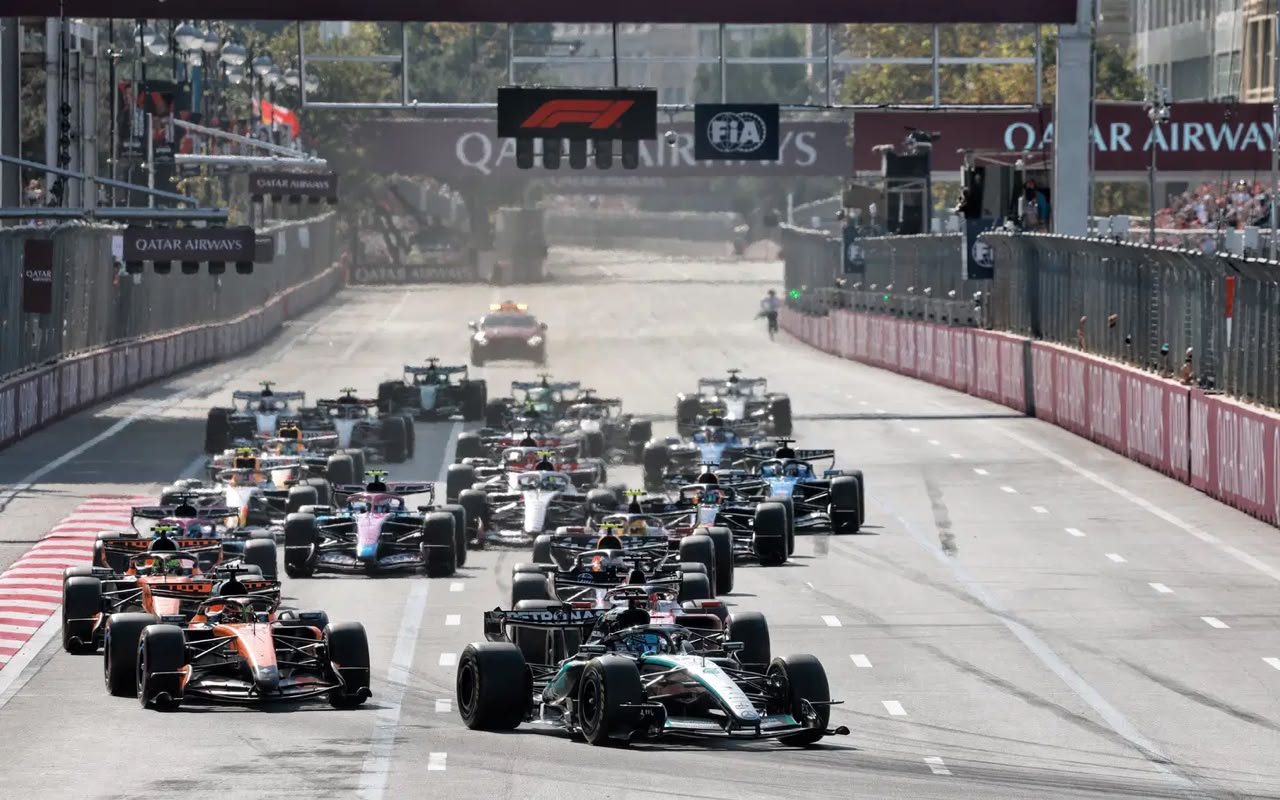
The controversy occurred during the opening lap following the first safety car restart at the Baku City Circuit. Bortoleto was later summoned by the stewards over an alleged breach of the FIA International Sporting Code and the 2026 Formula 1 Sporting Regulations relating to overtaking during yellow flags and safety car procedures.
According to the FIA, Bortoleto received conflicting information during the restart. Some marshals displayed safety car boards around the circuit, while there was no corresponding electronic safety car signal. The Brazilian also said that his steering wheel did not show a safety car warning.
Bortoleto explained that he initially reacted to the safety car boards and yellow flags but became confused when the electronic indicators failed to match what he was seeing on track. His team subsequently informed him that the safety car had not actually been deployed.
With uncertainty surrounding the race status, Bortoleto decided to continue racing and eventually overtook Sergio Perez.
The FIA acknowledged that the conflicting signals played a significant role in what happened.
“The Stewards accept that the conflicting information contributed significantly to the situation,” the governing body stated.
The stewards also accepted that because the safety car had not actually been deployed, Bortoleto could not technically be considered to have overtaken another driver under safety car conditions.
Despite that acknowledgement, however, the FIA still found Bortoleto guilty of an infringement involving yellow flags and imposed a 10-second time penalty.
The decision has raised questions over how drivers are expected to react when physical trackside signals conflict with the electronic information provided to them and their teams.
From Bortoleto’s perspective, the situation was particularly complicated because he was attempting to follow the information available to him while avoiding unnecessarily surrendering a position.
Nevertheless, the stewards concluded that a penalty was still warranted under the applicable regulations.
The 10-second sanction was therefore added to Bortoleto’s Azerbaijan Grand Prix result, leaving the Audi driver to accept a costly punishment despite the FIA explicitly recognising that the safety car display error had contributed significantly to the circumstances surrounding the incident.
The decision highlights the difficulties that can arise on a street circuit such as Baku, where drivers rely heavily on a combination of marshal signals, electronic boards, team radio and steering-wheel information to understand rapidly changing race conditions.