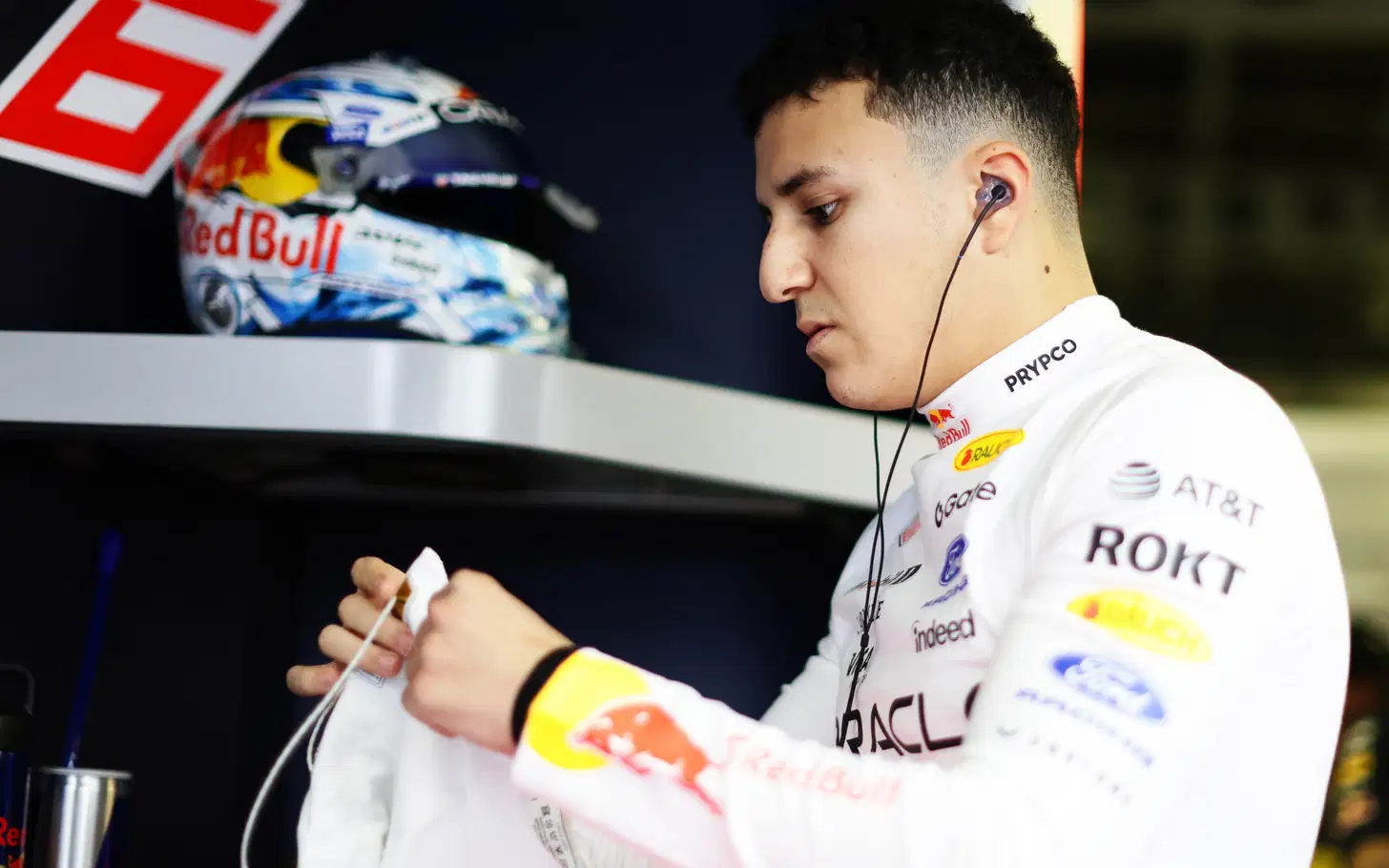
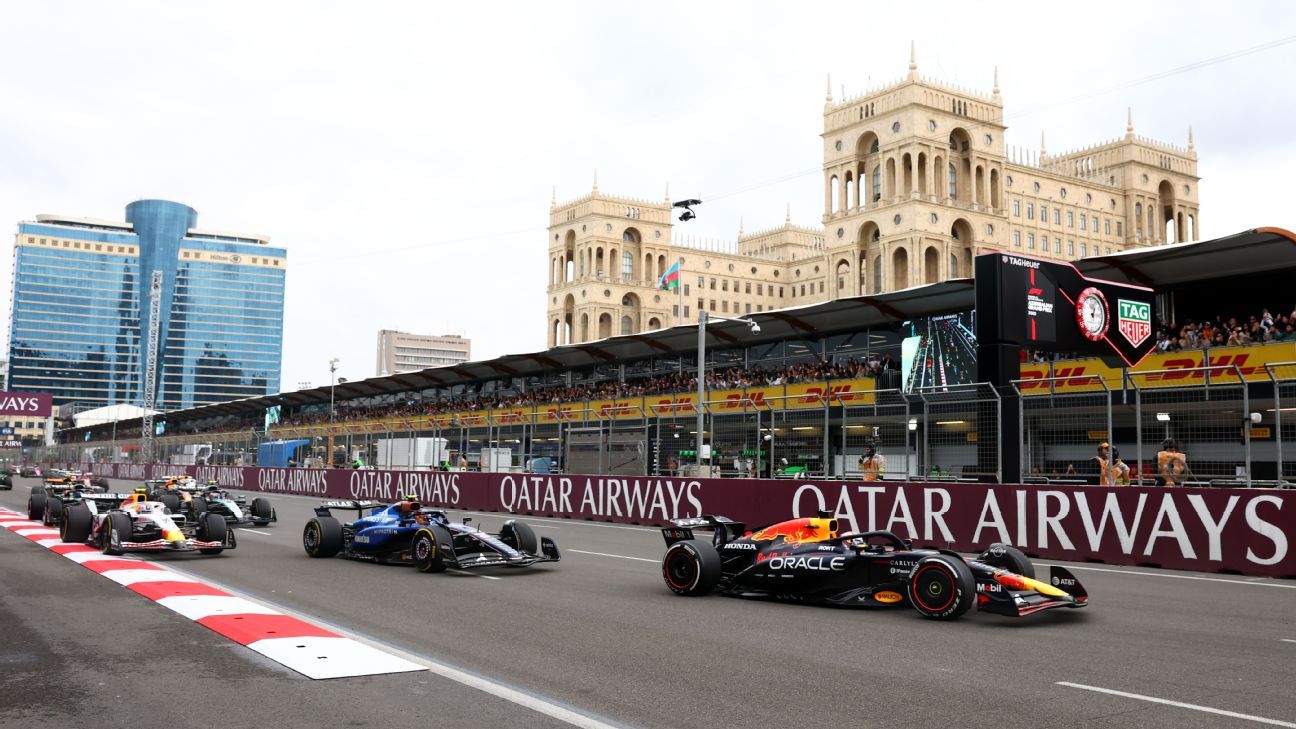
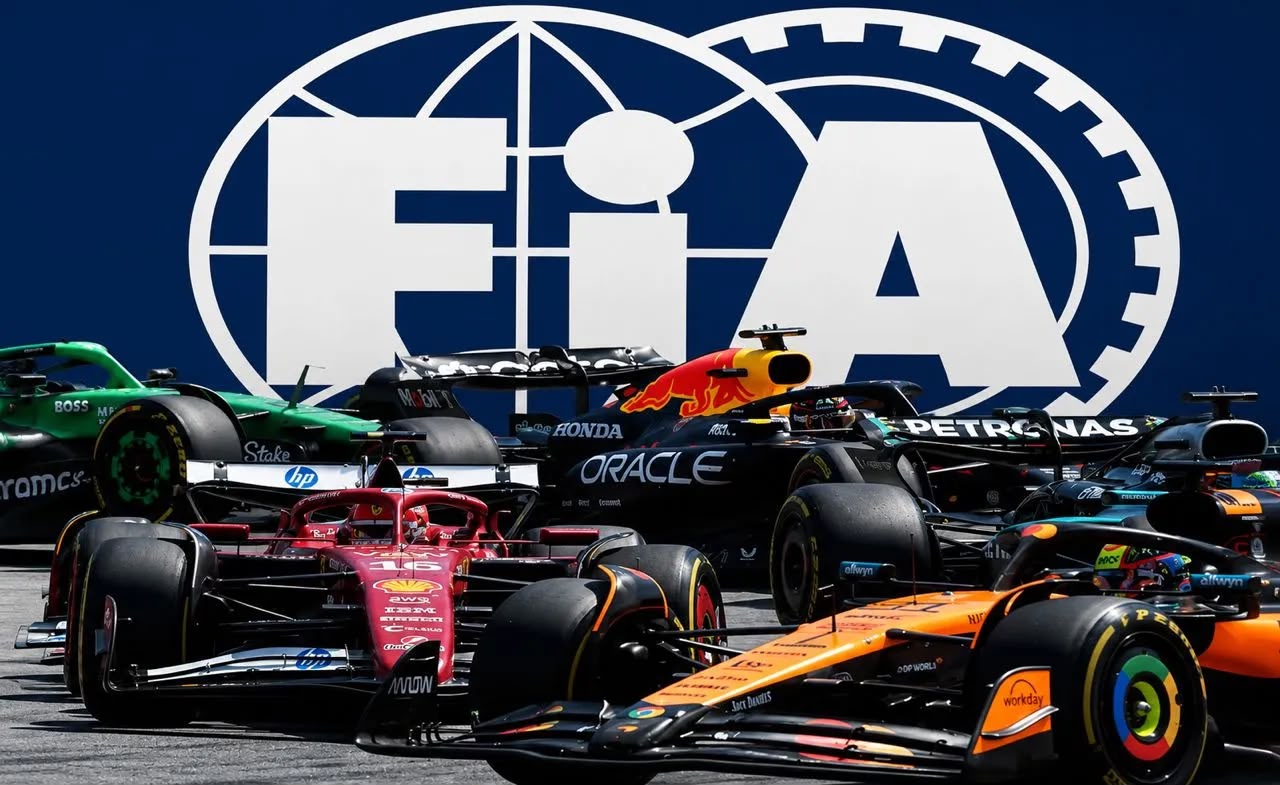
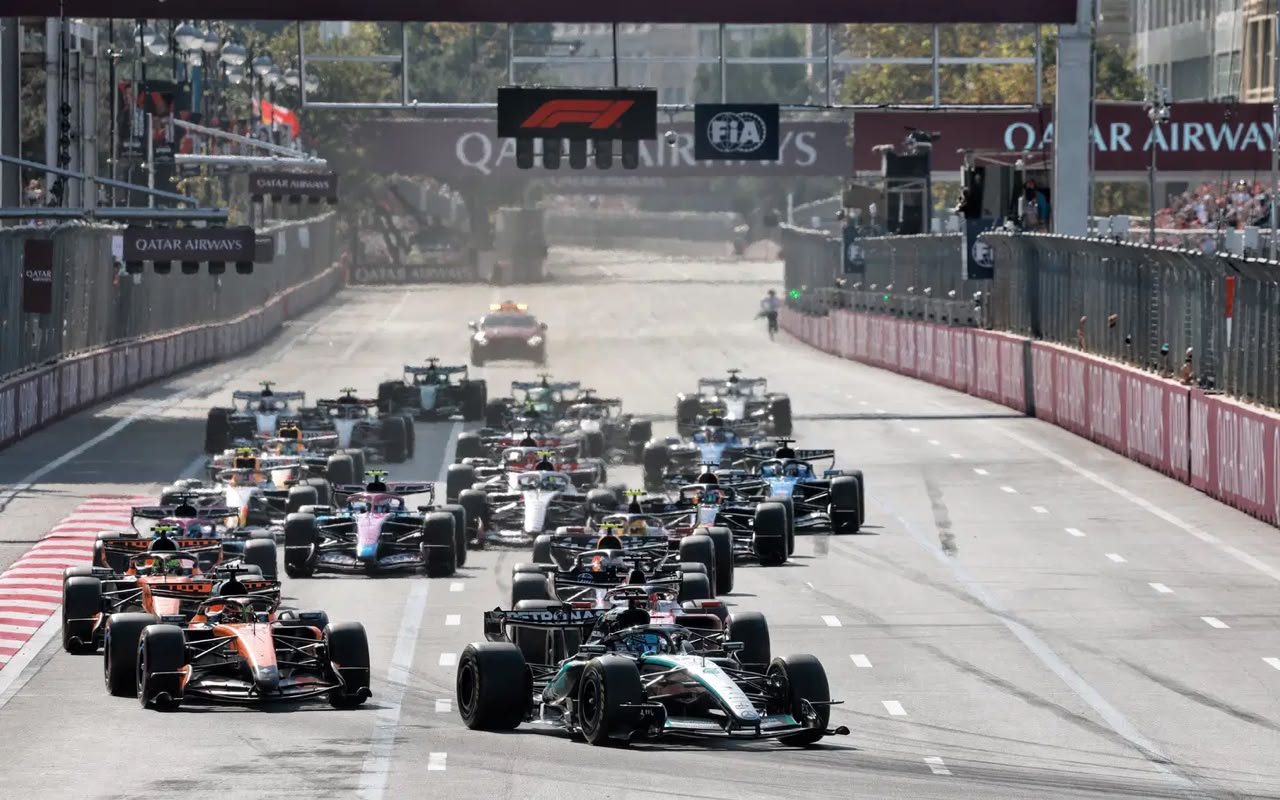
The 2026 Azerbaijan Grand Prix ended with several drivers facing investigations by the race stewards, but Isack Hadjar has been allowed to keep his third-place finish after officials reviewed an incident involving the French driver before the race.
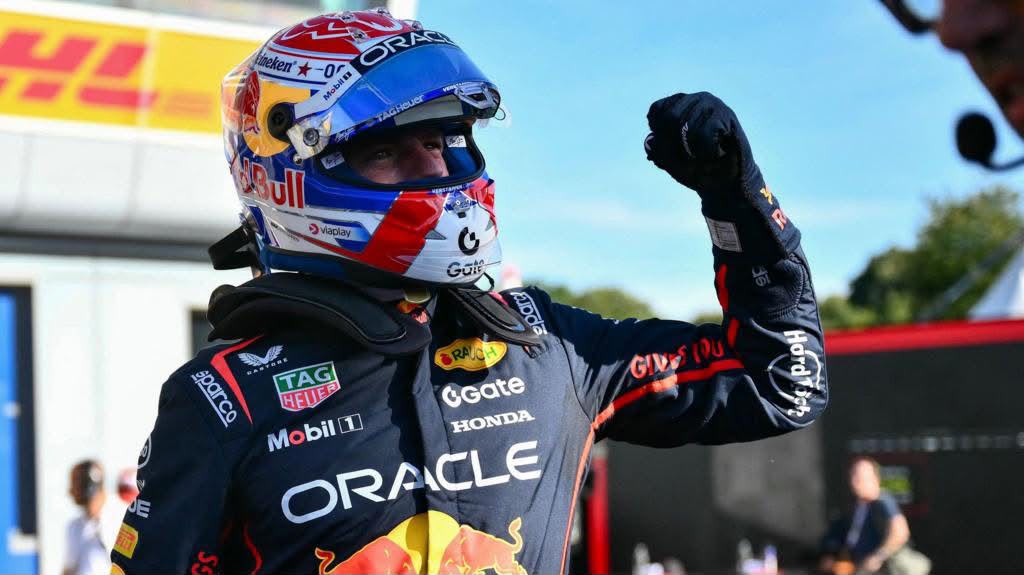
Hadjar, who returned to Formula 1 action after missing the previous three Grands Prix because of a wrist injury, secured an impressive podium finish in Baku. He crossed the finish line behind race winner George Russell and his Red Bull teammate, Max Verstappen, to claim third place.
However, his celebrations were briefly overshadowed by a post-race investigation into an alleged breach of the race director’s instructions during the pre-race reconnaissance laps.
Following a detailed review of the incident, the stewards decided that a warning was sufficient punishment. This decision allowed Hadjar to retain his podium position and the championship points he earned in Azerbaijan.
The investigation was one of several incidents examined after the race, with Carlos Sainz, Valtteri Bottas, and Gabriel Bortoleto also involved in separate cases that attracted the attention of the officials.
Isack Hadjar Keeps His Third-Place Finish
Hadjar’s podium finish in Azerbaijan represented a significant moment in his 2026 campaign, particularly considering the circumstances surrounding his return to racing.
The French driver had been forced to miss the previous three race weekends because of a wrist injury. His return to the cockpit at Baku therefore carried additional importance as he looked to regain his rhythm and contribute to Red Bull’s performance.
Despite the challenges of returning after an injury-related absence, Hadjar delivered a strong performance and finished third behind Russell and Verstappen.
However, the post-race investigation created uncertainty over whether his result would remain unchanged.
The stewards summoned Hadjar to explain an alleged infringement involving a practice start and his failure to follow instructions issued by the race director.
The incident occurred before the Grand Prix, during the reconnaissance laps, when drivers were expected to follow specific procedures regarding practice starts and their movement from the pit exit onto the circuit.
After reviewing the available evidence and considering the circumstances surrounding the incident, the officials decided that a warning was an appropriate response.
As a result, Hadjar’s third-place finish remained intact, allowing him to secure his second podium of the season.
What Happened During the Reconnaissance Laps?
The investigation focused on Hadjar’s conduct during the reconnaissance laps before the start of the Azerbaijan Grand Prix.
During this phase, drivers leave the pit lane and complete laps around the circuit before taking their positions on the starting grid.
The race director had issued instructions explaining how drivers should conduct their practice starts and how they were expected to rejoin the normal racing line.
According to the stewards’ findings, Hadjar did not perform a practice start during the reconnaissance laps.
Under the instructions provided to the drivers, anyone who did not carry out a practice start was expected to cross the white line separating the pit exit from the main track at the earliest opportunity.
This procedure was intended to ensure that drivers followed the designated route and safely joined the normal racing line.
However, the investigation found that Hadjar remained on the pit-exit road instead of immediately crossing the white line.
He then passed to the right of the cars ahead before eventually rejoining the circuit.
The stewards concluded that this action did not comply with the instructions issued by the race director.
Although the incident constituted a breach of the regulations, the officials also considered the circumstances that led to Hadjar’s actions before deciding on the appropriate penalty.
Why the Stewards Decided Against a Harsher Penalty
The stewards acknowledged that Hadjar had failed to follow the race director’s instructions.
However, they also identified mitigating circumstances that influenced their final decision.
According to the investigation, Hadjar had initially planned to perform a practice start but was forced to abandon that plan.
The officials accepted that the unexpected change in circumstances contributed to the situation.
They also concluded that Hadjar had been distracted during the incident, which played a role in his failure to comply with the instructions.
Although drivers remain responsible for following race director instructions, the stewards determined that the circumstances were sufficient to justify a more lenient punishment.
In their official decision, the panel explained that the circumstances surrounding the incident had been taken into account alongside comparable cases from previous races.
Rather than imposing a driving reprimand, the officials issued Hadjar a warning.
This decision meant that the Frenchman avoided a more serious penalty that could have affected his final classification.
The ruling allowed him to retain third place and confirmed that his second podium finish of the season would stand.
Carlos Sainz Also Escapes a More Severe Punishment
Hadjar was not the only driver investigated for an incident involving the instructions issued before the Azerbaijan Grand Prix.
Williams driver Carlos Sainz also faced scrutiny over a similar alleged infringement.
Sainz had finished the race in 10th position, securing a championship point. The result was particularly significant because it marked his first point since the Monaco Grand Prix.
However, the investigation raised questions about whether he had followed the required procedures during the pre-race period.
The stewards examined the circumstances surrounding his actions and discovered that the Williams driver had received an incorrect instruction from his team.
According to the findings, Sainz followed the information provided by his team, which ultimately resulted in the alleged breach.
The officials considered this detail important when determining the appropriate punishment.
Rather than imposing a harsher penalty, they decided that a lesser sanction was justified.
Consequently, Sainz retained his 10th-place finish and the championship point he earned in Baku.
The outcome of his investigation demonstrated how the stewards considered the specific circumstances of each incident rather than treating every breach in the same way.
Valtteri Bottas Escapes Further Action After Baku Crash
Another incident reviewed by the stewards involved Cadillac driver Valtteri Bottas, who suffered a crash during the Azerbaijan Grand Prix.
Bottas lost control of his car and struck the wall at Turn 15, bringing his race to an end.
Following the accident, the officials investigated his conduct after he climbed out of the damaged Cadillac.
The investigation focused on whether the Finnish driver had moved to a safe location quickly enough after leaving the car.
The stewards found that Bottas had remained close to the vehicle, inspecting the damage instead of immediately moving to a designated place of safety.
Drivers are expected to move away from their cars and reach a safe area following an incident, particularly when the vehicle has stopped in a potentially dangerous location.
Remaining close to a damaged car can expose a driver to additional risks, especially when other cars are still circulating around the circuit.
During the investigation, Bottas acknowledged the situation and apologised for his actions.
He also assured the officials that he would move to a place of safety immediately in similar circumstances in the future.
After considering his explanation, the stewards decided that no further action was necessary.
The decision allowed the incident to be closed without an additional penalty.
Gabriel Bortoleto Receives a 10-Second Time Penalty
While Hadjar, Sainz, and Bottas avoided significant penalties, Audi driver Gabriel Bortoleto was handed a 10-second time penalty following a separate investigation.
The Brazilian driver was found to have overtaken Sergio Perez under yellow flags during the first lap after a restart.
Yellow flags are used to warn drivers about a potentially dangerous situation on the circuit. When they are displayed, drivers must reduce their speed and avoid overtaking unless specific circumstances permit it.
The stewards reviewed the incident and determined that Bortoleto had passed Perez while the yellow flags were being displayed.
However, the investigation also revealed that the driver had been uncertain about whether the safety car had been deployed.
According to the findings, conflicting information contributed to the confusion.
Some of the circuit boards indicated that the safety car had been deployed, even though it had not actually been brought onto the track.
Bortoleto believed the yellow flags were connected to a safety car deployment and that there was no immediate danger requiring him to remain behind Perez.
Based on that understanding, he proceeded with the overtake.
Nevertheless, the stewards determined that the incident warranted a penalty.
The Audi driver received a 10-second time penalty, which affected his final position in the race.
He dropped from 13th place to 15th in the adjusted classification.
The penalty also changed the positions of other drivers, with Oscar Piastri and Sergio Perez each moving up one place.
The incident highlighted the importance of drivers responding correctly to yellow flags, even when there is uncertainty surrounding the deployment of safety cars.
How the Investigations Affected the Azerbaijan Grand Prix Results
The post-race investigations produced different outcomes for the drivers involved.
Hadjar retained third place after receiving a warning for failing to follow the race director’s instructions during the reconnaissance laps.
Sainz also kept his 10th-place finish after the stewards determined that an incorrect instruction from his team had contributed to the infringement.
Bottas escaped further action following his crash at Turn 15 after acknowledging that he should have moved to a safe location more quickly.
Bortoleto, however, received a 10-second time penalty for overtaking Perez under yellow flags.
His punishment resulted in a drop from 13th to 15th, while Piastri and Perez each gained a position.
These decisions demonstrate how post-race investigations can affect the final classification even after the chequered flag has been waved.
The stewards consider the evidence surrounding each incident, including driver explanations, team instructions, and comparable cases, before determining whether a penalty is necessary.
Conclusion: Hadjar’s Azerbaijan GP Podium Remains Intact
Isack Hadjar’s third-place finish at the 2026 Azerbaijan Grand Prix has been confirmed following a stewards’ investigation into his conduct during the reconnaissance laps.
The Frenchman, returning after missing three races because of a wrist injury, secured his second podium of the season behind George Russell and Max Verstappen.
Although the stewards found that he had failed to follow the race director’s instructions, they accepted that mitigating circumstances had contributed to the incident.
The decision to issue a warning rather than a driving reprimand allowed Hadjar to retain his result.
Meanwhile, Carlos Sainz kept his championship point, Valtteri Bottas escaped further action after his crash, and Gabriel Bortoleto received a 10-second penalty that altered the final standings.
With the investigations concluded, Hadjar’s podium finish in Baku remains officially unchanged, marking a successful return to competition after his injury-related absence.