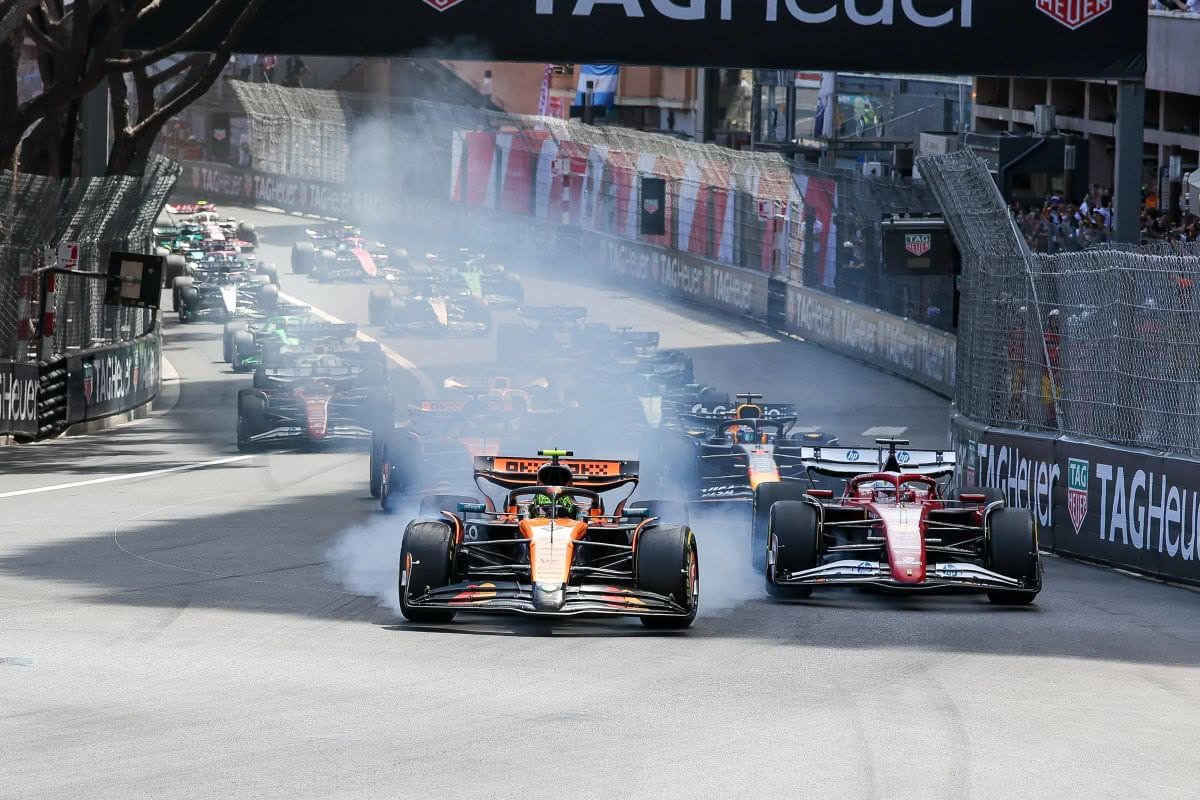
Formula 1 has been thrown into fresh controversy after the FIA confirmed it will review the disputed ADUO engine rankings following concerns raised by Red Bull. The unexpected findings stunned teams throughout the paddock and triggered intense debate over how the governing body measures engine performance under the new 2026 regulations.
The issue centers around Formula 1’s Additional Development and Upgrade Opportunities system, commonly known as ADUO. The mechanism was introduced to prevent one manufacturer from dominating the sport during the first years of the new power unit era. Under the rules, engine suppliers judged to be behind the leading benchmark are granted extra development allowances, additional upgrade opportunities, and increased testing capacity to help them close the gap.
However, the latest FIA assessment created widespread confusion because Red Bull Powertrains was reportedly classified as the benchmark engine supplier despite Mercedes dominating much of the 2026 season on track. The ruling meant Red Bull would not receive any additional upgrade support, while rivals including Mercedes, Ferrari, Audi, and Honda would gain valuable concessions for future development.
The decision shocked many inside Formula 1 because the general belief across the paddock had been that Mercedes possessed the strongest overall power unit package. Mercedes-powered cars have consistently performed at the front throughout the opening races of the campaign, leading many observers to assume the German manufacturer had the advantage under the new engine regulations.
Red Bull itself reportedly questioned the FIA’s conclusions almost immediately. Team officials are believed to have approached the governing body seeking clarification regarding the data and methodology used in the assessment. According to several reports, Red Bull’s own internal analysis suggested its engine performance remained behind Mercedes rather than ahead.
As a result of the concerns, the FIA has now agreed to conduct another review of the figures before officially finalizing and publishing the ADUO rankings. The governing body is expected to re-examine the performance data collected during the opening rounds of the championship to ensure the results are fully accurate.
Reports indicate that the FIA will specifically evaluate the sensor information gathered from each car during races. Officials want to confirm that all monitoring systems operated correctly and that the calculations behind the rankings were accurate before making the results official.
The controversy has exposed growing tension surrounding Formula 1’s new engine regulations. Under the ADUO framework, manufacturers judged to be within two percent of the benchmark receive one upgrade opportunity, while those further behind can receive two upgrades and extra financial allowances. Because Red Bull was identified as the leading manufacturer in the FIA’s initial assessment, it would receive no additional support while rivals gained development advantages.
This outcome has sparked criticism because many teams and fans believe the rankings do not accurately reflect the true competitive picture. One of the key complaints involves the FIA’s focus on measuring only the internal combustion engine rather than the entire hybrid power unit package.
The current system reportedly evaluates the combustion engine output separately from electrical components such as the battery systems and hybrid recovery units. Critics argue that this creates an incomplete representation of actual engine performance because modern Formula 1 power units rely heavily on hybrid efficiency and electrical deployment.
As a result, Mercedes may still possess the strongest complete package overall despite Red Bull being judged strongest in terms of pure combustion engine performance. This has led some teams to question whether the ADUO rules are unintentionally rewarding manufacturers that are already highly competitive.
The situation has become even more controversial because the extra development opportunities granted through ADUO could significantly influence the championship battle over the next two seasons. Teams receiving concessions will gain additional upgrade chances, greater testing freedom, and increased cost-cap allowances to improve their engines faster than the benchmark manufacturer.
For Red Bull, the FIA’s ruling could therefore become a major disadvantage if it remains unchanged. While the team may have produced a strong combustion engine, being classified as the benchmark removes any possibility of receiving additional support under the regulations.
Max Verstappen admitted the news surprised the entire team. The reigning world champion reportedly said Red Bull did not feel like the strongest engine supplier and confirmed discussions with the FIA were ongoing. Teammate Isack Hadjar also reacted with visible disbelief, joking that Red Bull clearly had not won every race this season despite the benchmark classification.
The FIA has not yet confirmed whether the review could change the final outcome, but the governing body appears determined to ensure the calculations are correct before formally announcing the rankings. Officials are reportedly checking all data gathered during the opening five races of the season.
The delay in publishing the final ADUO results has only intensified speculation throughout Formula 1. Several teams are believed to be closely monitoring the situation because the final decision could shape the development race for the remainder of 2026 and beyond.
The controversy also highlights the growing complexity of Formula 1’s modern regulations. While ADUO was introduced with the aim of keeping the field competitive, the current dispute demonstrates how difficult it can be to measure performance fairly in an era dominated by sophisticated hybrid technology.
Some experts now believe the FIA may eventually need to revise the system entirely. Suggestions have already emerged that future evaluations should include broader measurements covering the full power unit rather than focusing only on combustion engine performance. Others argue the regulations should be simplified further to avoid confusion and disputes between manufacturers.
For now, the FIA’s review process remains ongoing. Red Bull continues to await clarification, while rival teams are eager to discover whether the governing body will stand by its original conclusions or amend the rankings after the additional analysis.
Regardless of the final outcome, the controversy has already become one of the biggest talking points of the 2026 Formula 1 season. Questions surrounding fairness, transparency, and competitive balance are once again dominating discussions across the paddock.
With the Barcelona Grand Prix weekend underway, attention will remain fixed on the FIA’s next move. The governing body now faces significant pressure to provide a clear explanation for its methodology and ensure confidence in the ADUO system moving forward.
If the FIA ultimately confirms Red Bull as the benchmark manufacturer, rivals such as Mercedes and Ferrari could gain a major opportunity to close the gap through additional upgrades. But if the review changes the rankings, it could trigger an even larger debate over how the original calculations were reached in the first place.
Either way, the latest dispute has shown that Formula 1’s new engine era is already generating controversy long before the championship battle reaches its decisive stages.