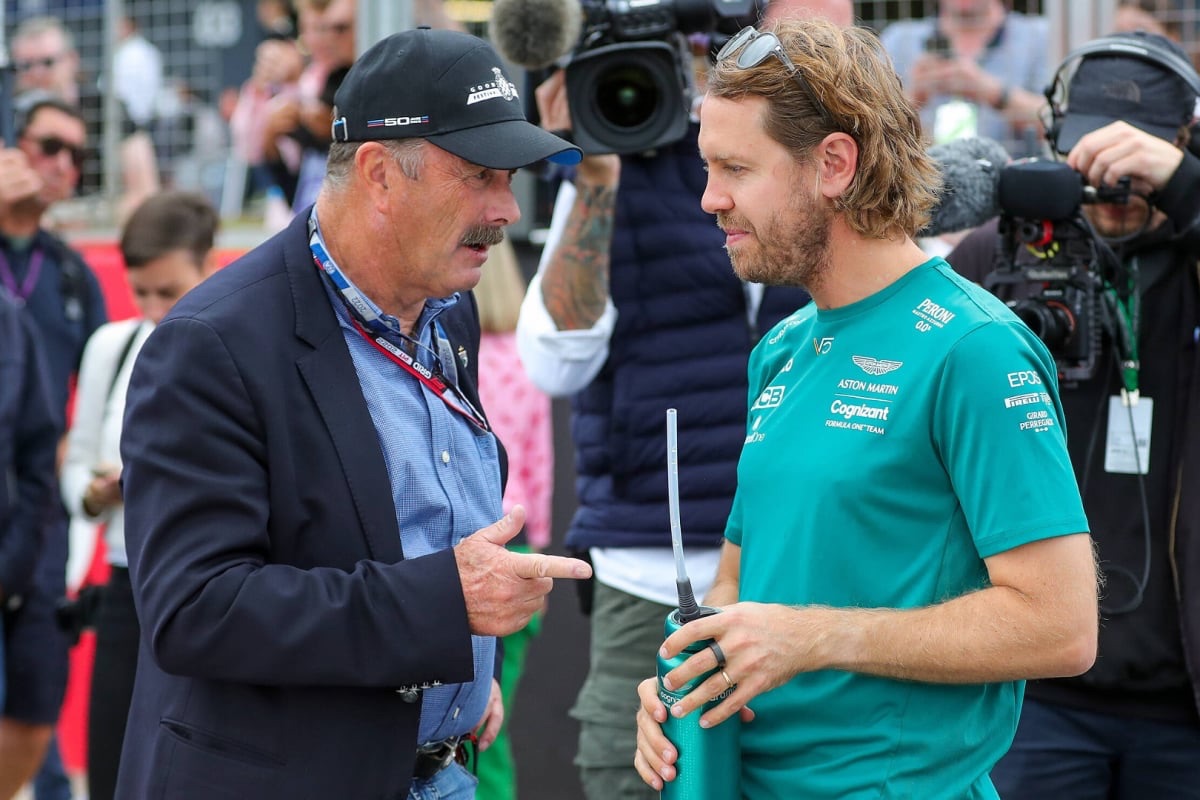
Formula 1 legend Nigel Mansell has delivered a blunt verdict on the 2026 generation of F1 cars, admitting he may face criticism for speaking out but insisting that many of the current overtakes feel “false” rather than genuine racing battles.
The former world champion, never known for holding back his opinions, has joined growing criticism surrounding the sport’s latest technical regulations, particularly the way the new power units are influencing wheel-to-wheel action on track. According to Mansell, the dramatic overtakes fans are seeing this season may look exciting on the surface, but they lack the authenticity that has traditionally defined Formula 1.
The 2026 season introduced one of the biggest regulation changes in modern F1 history, with a major shift in power unit design. Cars now operate with a 50-50 balance between the internal combustion engine (ICE) and electric power, placing far greater emphasis on energy harvesting and deployment throughout each lap.
While the FIA hoped the changes would improve efficiency and create a new era of innovation, the early reaction from drivers, fans, and former champions has been far less enthusiastic. Many believe the new system has created racing that feels overly artificial, with drivers sometimes unable to control when overtaking happens because the energy deployment system decides when the power boost arrives.
Some critics have even compared the system to a video game like Mario Kart, where sudden bursts of speed can dramatically change positions regardless of the driver’s intention.
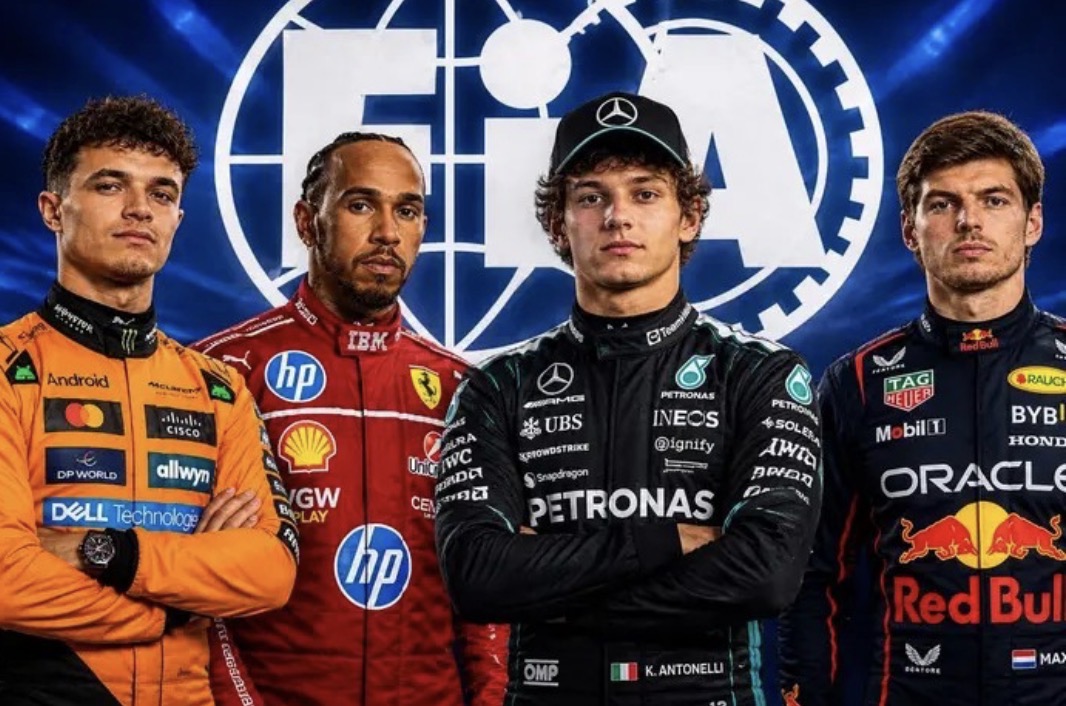
Among the most vocal critics has been four-time world champion Max Verstappen, who has repeatedly questioned whether the new format truly represents pure racing. Now, Mansell has backed those concerns, warning that Formula 1 risks frustrating its global fanbase if the issue is not addressed quickly.
Speaking passionately about the current state of racing, Mansell admitted he knew his opinion might be controversial.
“I might get shot for saying this,” he said, before launching into a strong criticism of how overtaking now unfolds under the new regulations.
According to Mansell, some of the passes that appear spectacular are actually misleading because they are driven more by system-controlled power deployment than by driver skill or racecraft.
He explained that a driver may complete what looks like a brilliant overtake into a corner, only for the rival car to immediately regain the position because the energy system suddenly delivers a huge power boost on the following straight.
For Mansell, that removes the essence of what overtaking should be in Formula 1.
He argued that drivers are not fully in control of those moments, and that the “computer” is often deciding when the move happens rather than the person behind the wheel.
That, in his view, takes away from the authenticity of the sport and creates a frustrating spectacle where positions change not because of bravery or precision, but because of programmed energy release.
Mansell pointed to comments made earlier this season by Lando Norris, who had reportedly admitted that he overtook another driver in a place where he did not actually want to make the move.
Norris explained that he had no real choice because the power deployment system forced the situation, pushing him ahead before a fast corner and a chicane where overtaking was not strategically ideal.
Moments later, the rival car simply passed him back on the straight once the energy balance shifted again.
For Mansell, that example perfectly highlights the problem.
Instead of drivers choosing the perfect moment to attack, the system itself is creating temporary overtakes that feel unnatural and sometimes pointless.
He believes that while these exchanges may create visual excitement, they fail to deliver the kind of meaningful racing fans expect from Formula 1.
More importantly, Mansell warned that supporters around the world are becoming increasingly frustrated.
He stressed that while his own opinion may not matter to everyone, the fans certainly do.
According to him, many longtime followers of the sport are “very grumpy” about what they are seeing this season, and he admitted that he agrees with their concerns.
His warning comes at an important time for Formula 1, as the sport continues to defend the controversial 2026 rule changes while trying to maintain strong fan engagement.
The FIA and teams introduced the regulations with long-term sustainability and manufacturer interest in mind, but the balance between innovation and entertainment remains delicate.
If too many fans feel the racing has become artificial, pressure could quickly grow for further changes.
For now, Mansell’s comments add another powerful voice to the debate.
When a driver as respected and experienced as the 1992 world champion questions whether overtaking still feels real, Formula 1 must take notice.
The battle over the future identity of the sport is clearly far from over, and as the 2026 season unfolds, the spotlight on these controversial new cars will only grow stronger.