Belgian driver Jarno D’Hauw endured a devastating turn of events during the 2026 Nürburgring 24 Hours after being disqualified from the race and having his racing licence revoked following multiple serious infractions under Code 60 conditions.
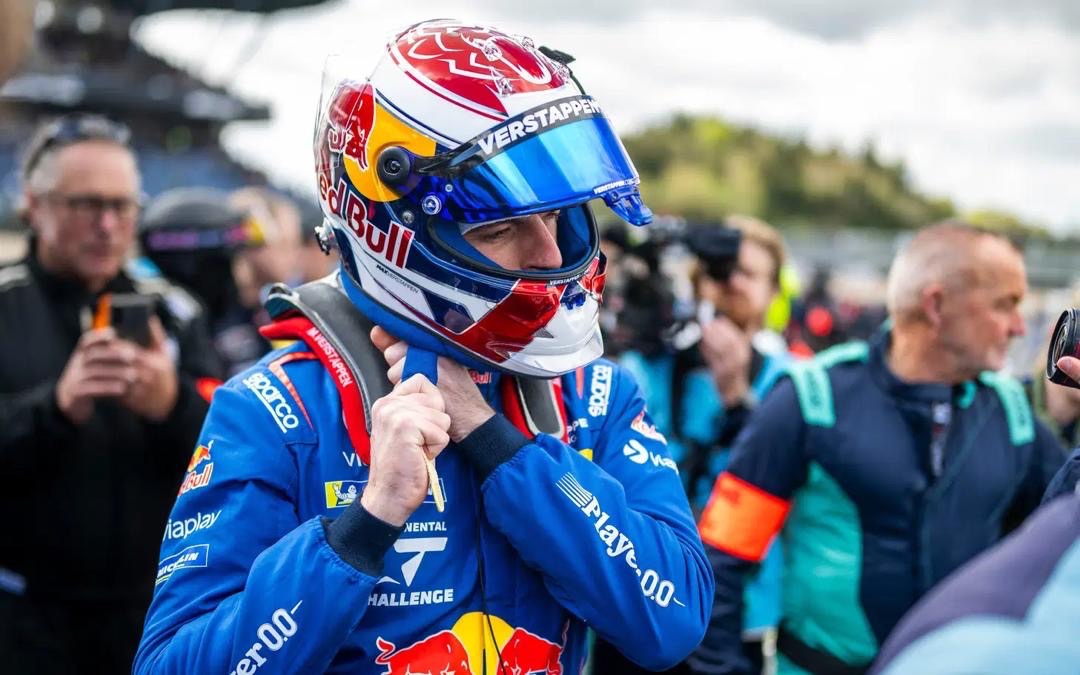
What began as an unforgettable opportunity for the 22-year-old quickly spiralled into disaster at the legendary German endurance event. D’Hauw had initially travelled to the Nürburgring simply as a spectator, hoping to enjoy the spectacle alongside thousands of motorsport fans gathered to witness the iconic race and the highly anticipated debut of four-time Formula 1 world champion Max Verstappen in the endurance classic.
However, fate unexpectedly handed the young Belgian a dream opportunity. A late withdrawal from the No. 658 BMW M240i entry left JJ Motorsport searching urgently for a replacement driver, and D’Hauw was called up at the last moment to join the team. Speaking before the race, he admitted his excitement at receiving such a rare chance.
“The plan was to just watch the race,” D’Hauw explained to GT Report. “But JJ Motorsport got a last-minute call-off from one of their drivers. I of course said yes. Who doesn’t want to drive this race?”
For a short period, the weekend appeared to be the perfect underdog story. Competing in one of the world’s toughest endurance races at the fearsome Nürburgring Nordschleife is considered a dream for many young drivers, especially one with little preparation time. But only seven hours into the race, officials handed D’Hauw crushing news that abruptly ended his participation.
According to reports from GPFans Netherlands journalist Vincent Bruins, D’Hauw was found guilty of multiple speeding violations while driving under Code 60 restrictions. Officials recorded him travelling at 63 km/h, then 69 km/h, and finally at an alarming 136 km/h in sections where a strict 60 km/h limit was in force.
The repeated offences resulted in immediate disqualification from the event. Even more severe was the decision to revoke his DPN licence, a punishment that could significantly affect his future opportunities in endurance racing.
Code 60 regulations are among the most important safety measures used at the Nürburgring and in other endurance championships. Rather than deploying a full safety car across the entire circuit, race control can neutralise only a specific section of the track where an accident or dangerous situation has occurred. During these periods, all drivers entering the affected zone must reduce their speed to exactly 60 km/h and maintain that limit until they pass the designated marshal posts.
The system is designed to protect marshals, stranded drivers, and recovery crews working trackside on one of the most dangerous and challenging racing circuits in the world. Violating those restrictions is considered an extremely serious offence because excessive speed through a neutralised area can place lives at risk.
The Nürburgring Nordschleife, often referred to as the “Green Hell,” is notorious for its unforgiving nature, with more than 20 kilometres of narrow, twisting tarmac cutting through Germany’s Eifel mountains. Combined with traffic from multiple racing classes and unpredictable weather conditions, maintaining discipline under caution periods is critical for safety.
D’Hauw’s disqualification serves as a harsh reminder of the strict standards enforced in endurance racing, particularly at the Nürburgring 24 Hours. While his call-up had briefly transformed an ordinary spectator weekend into a dream racing opportunity, the event ultimately ended in humiliation and disappointment for the young Belgian driver.
Instead of celebrating a breakthrough appearance at one of motorsport’s most prestigious endurance races, D’Hauw now faces the difficult challenge of rebuilding his reputation after one of the toughest setbacks of his career.