Red Bull Racing are reportedly preparing to challenge the FIA over a controversial development linked to Formula 1’s upcoming 2026 regulations, while fresh speculation surrounding Christian Horner’s return to the sport continues to intensify ahead of the Spanish Grand Prix weekend.
The latest controversy centers on the FIA’s review of the new engine development rules that will come into force next season. According to multiple reports, Red Bull have been left deeply frustrated by the governing body’s Additional Development and Upgrade Opportunities (ADUO) analysis. The Milton Keynes-based team allegedly believes the latest findings could unfairly impact their competitiveness during the sport’s major regulation overhaul in 2026.
The debate has quickly become one of the biggest talking points in the Formula 1 paddock as teams prepare for the next generation of power units. Red Bull, who are entering a crucial phase with their Red Bull Ford engine partnership, are said to disagree strongly with the FIA’s direction and could formally protest aspects of the proposed framework.
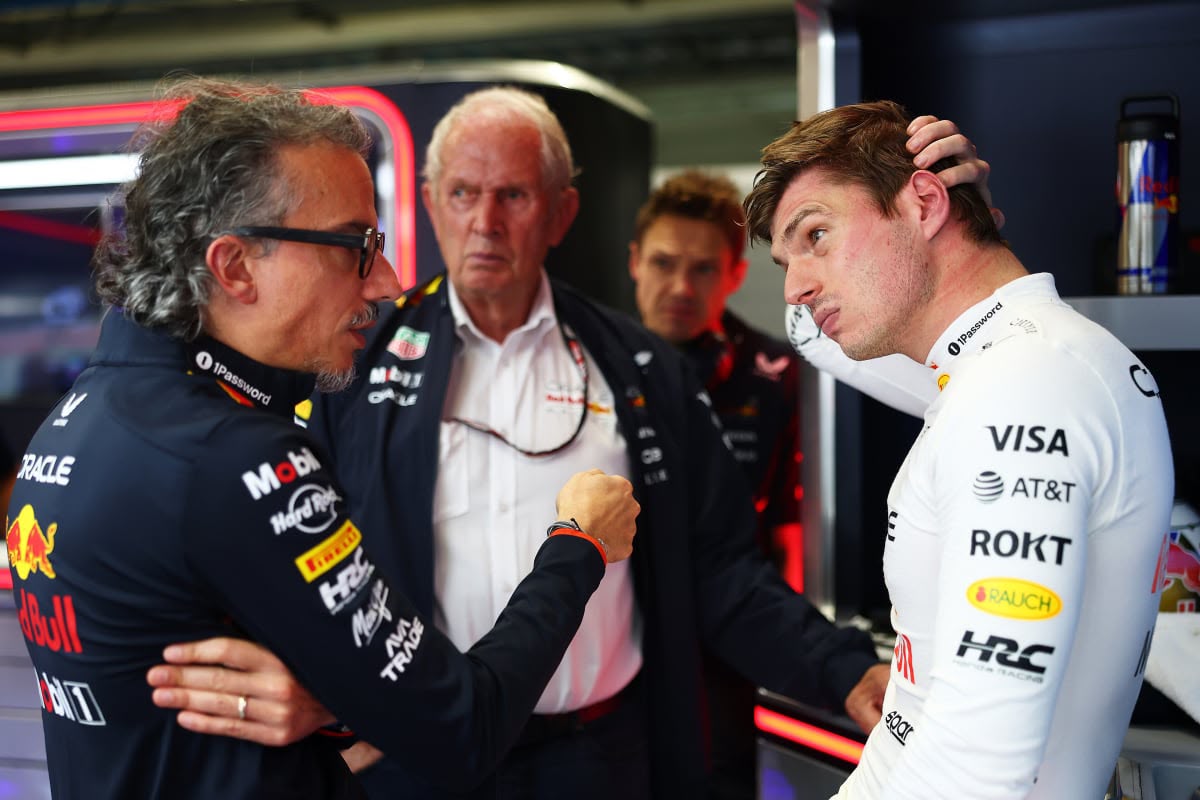
The issue arrives at a delicate moment for the team. Red Bull are already under pressure to remain competitive after significant internal changes over the past year. Since the departure of long-time team boss Christian Horner in 2025, the organization has experienced a major restructuring process under new leadership. Reports suggest that several senior figures within the team are unhappy with how the FIA intends to manage engine balancing and upgrade allowances under the new regulations.
The FIA’s ADUO system was originally introduced as a safeguard to prevent manufacturers from falling too far behind during the transition to the new engine era. However, some teams reportedly fear the mechanism could create unfair advantages or distort competition if implemented too aggressively.
Red Bull’s concerns are believed to center around how rival manufacturers may benefit from additional development freedoms if they initially struggle under the new regulations. Sources close to the situation claim the team feels the system could effectively reward poor performance while penalizing manufacturers who have invested heavily and prepared efficiently ahead of time.
The controversy has reignited broader debates over Formula 1’s long-term technical direction. Several team principals and executives have privately voiced concerns that too much intervention from the FIA could undermine the competitive integrity of the championship.
While Red Bull continue to focus on the regulation dispute, another major storyline involving the team has emerged — the possible Formula 1 return of former boss Christian Horner.
Horner, who spent two decades leading Red Bull Racing, remains one of the most influential figures in modern Formula 1 history. During his tenure, the team captured multiple world championships with both Sebastian Vettel and Max Verstappen, transforming Red Bull into one of the dominant forces in the sport.
After leaving Red Bull midway through the 2025 season, Horner was linked with several possible future opportunities across the F1 paddock. Recent reports have once again connected him with a potential return, particularly involving Alpine and investment discussions connected to the Renault-owned outfit.
The latest twist came after official comments from Renault appeared to acknowledge discussions surrounding Horner’s future involvement in Formula 1. While no agreement has been confirmed, the growing speculation has fueled intense debate about where the former Red Bull boss could reappear.
Some reports suggest Horner may be interested in a role that offers both leadership influence and partial ownership opportunities, rather than simply returning as a conventional team principal. This has made Alpine a particularly intriguing option because of ongoing investment activity surrounding the French team.
Financial groups linked to Alpine have reportedly explored selling portions of the team, attracting attention from several high-profile Formula 1 figures. Horner is believed to be among those monitoring the situation closely.
The possibility of Horner returning has also revived discussions about Formula 1’s evolving political landscape. Rival teams are increasingly wary of partnerships, alliances, and shared interests between organizations. Some executives fear certain structures could create unfair advantages regarding technical collaboration, personnel movement, or strategic coordination.
These concerns have become especially sensitive during a period when Formula 1 is experiencing rapid commercial growth and rising team valuations. With manufacturers, investors, and private equity groups all showing increased interest in the sport, leadership battles behind the scenes have become almost as intense as the racing itself.
Despite the uncertainty surrounding his future, Horner remains one of the most successful team bosses in Formula 1 history. During his time at Red Bull, the team won multiple constructors’ championships and drivers’ titles while securing well over 100 Grand Prix victories.
His departure in 2025 marked the end of a major era for the team. The leadership transition brought Laurent Mekies into the role as Red Bull attempted to stabilize operations and prepare for the massive 2026 regulation changes.
Meanwhile, reigning world champion Max Verstappen continues to be heavily linked with the ongoing uncertainty surrounding Red Bull’s future competitiveness. The Dutch driver has repeatedly emphasized the importance of remaining competitive under the new regulations, and speculation about his long-term future has continued throughout the season.
For Red Bull, the stakes could hardly be higher. The team are simultaneously trying to finalize preparations for the new engine era, manage internal restructuring, and defend their competitive position against rapidly improving rivals.
The FIA’s upcoming decisions on engine development rules could therefore have enormous consequences not only for Red Bull, but for the competitive balance of Formula 1 as a whole.
As the paddock heads to Barcelona, attention is now focused on whether Red Bull will escalate their dissatisfaction into a formal protest and whether fresh developments regarding Christian Horner’s return could emerge over the race weekend.
With tensions already rising between teams and governing officials, the situation has all the ingredients for another major political battle in Formula 1 — one that could shape the future of the sport for years to come.