
F1 Monaco Grand Prix Result Could Change Again as Red Bull and McLaren Take FIA Appeal to Court
The controversy surrounding the 2026 Formula 1 Monaco Grand Prix has taken another dramatic turn, with the official classification once again facing the possibility of being changed. More than two months after the race was completed, Red Bull Racing and McLaren have taken their appeals against the revised result to the FIA International Court of Appeal in Paris, opening another chapter in one of the most complicated post-race disputes of the season.
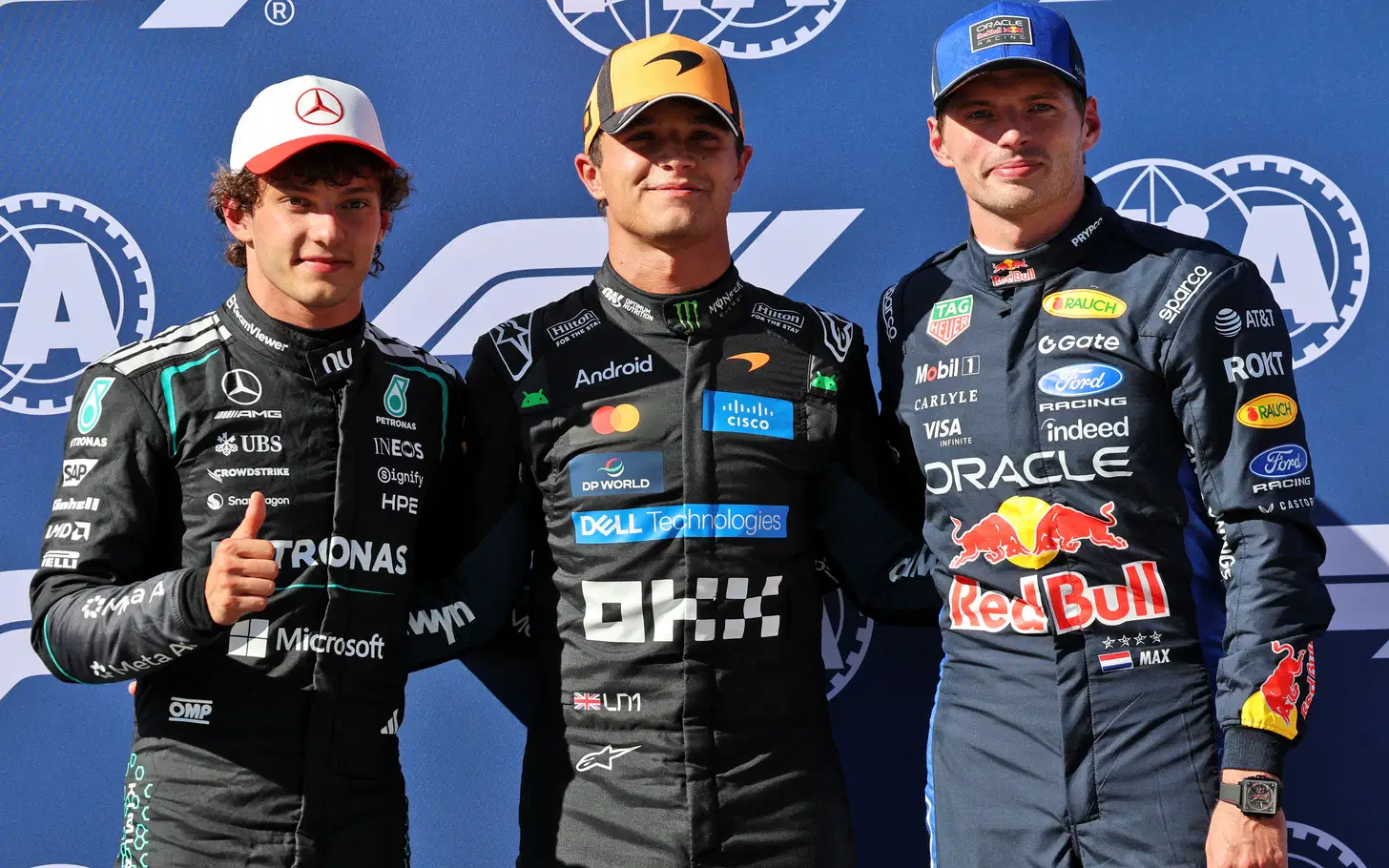
The Monaco Grand Prix, held on June 7, initially appeared to have produced a straightforward result, with Mercedes youngster Kimi Antonelli taking victory ahead of Lewis Hamilton and Red Bull’s Isack Hadjar. However, a series of pit-lane speeding penalties dramatically altered the classification after the chequered flag.
The dispute became particularly significant because Alpine driver Pierre Gasly was initially classified seventh after receiving two separate five-second penalties for pit-lane speeding. Gasly had crossed the finish line in third position, but the penalties added a total of 10 seconds to his race time, dropping him out of the podium places.
At the time, the decision appeared final. However, Alpine subsequently challenged the penalties after concerns emerged about the accuracy of the system used to measure the speed of cars entering the Monaco pit lane. That challenge eventually resulted in a major reversal by the FIA stewards.
Gasly’s Dramatic Return to the Podium
Alpine’s appeal centred on new information concerning the way Formula One Management had calculated the distance used to determine the cars’ speeds. According to the information presented during the review, the distance measurement was inaccurate and had effectively overstated the speed at which Gasly was travelling.
The stewards accepted that this constituted a significant new element that had not been available when the original penalties were imposed. As a result, Gasly’s two five-second penalties were rescinded and the official race classification was amended. Championship points for both drivers and constructors were also recalculated.
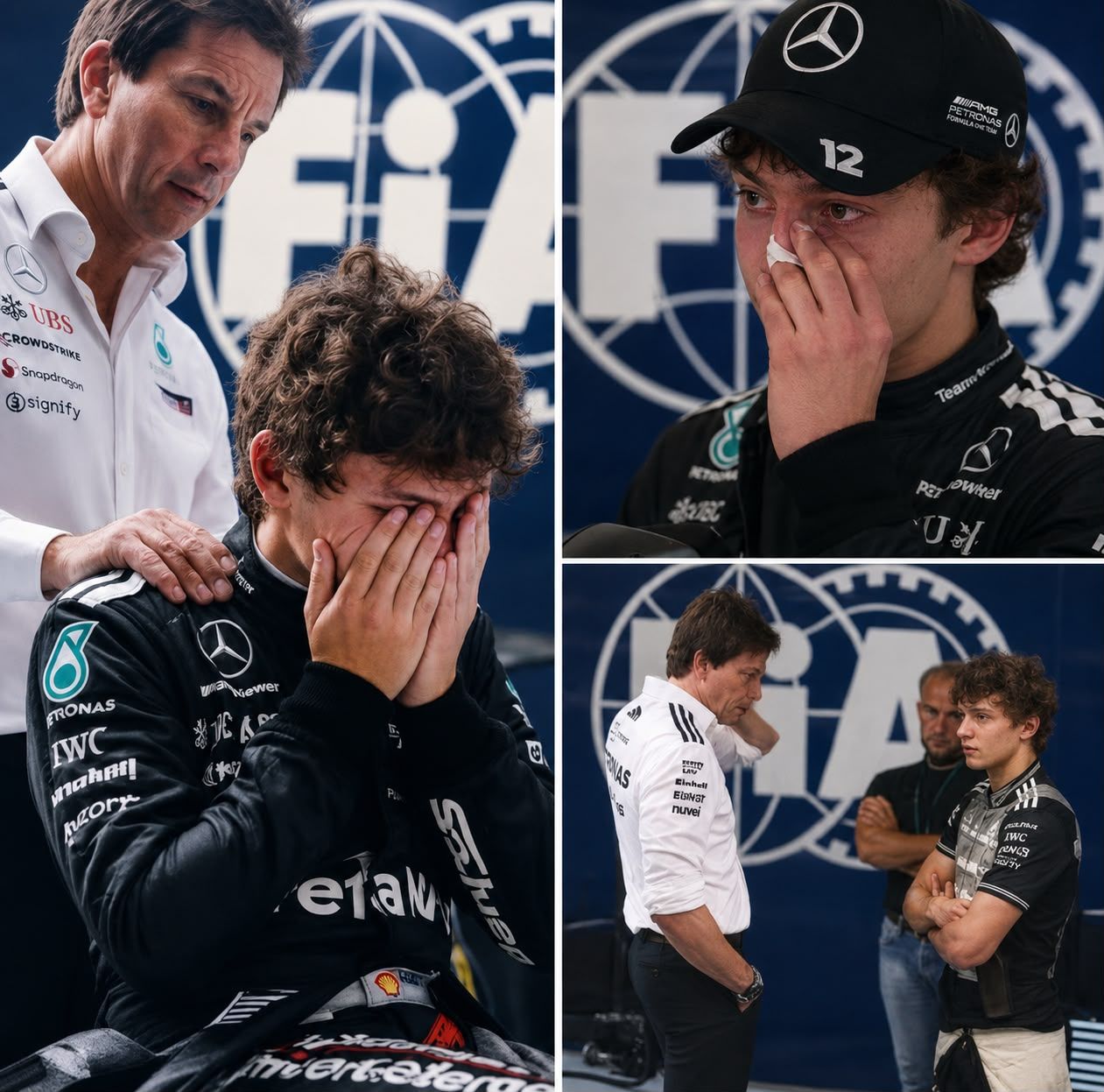
The decision restored Gasly to third place, allowing the Frenchman to regain a podium finish that he had initially believed was lost. It was a particularly emotional reversal for Gasly, who had been visibly devastated after the original classification.
However, restoring Gasly to third position inevitably affected several other drivers. Hadjar, who had initially been promoted to third after Gasly’s penalties, was moved down to fourth. McLaren’s Oscar Piastri also dropped from fourth to fifth, while other drivers behind them were similarly pushed down the order.
That decision did not sit comfortably with either Red Bull or McLaren.
Red Bull and McLaren Challenge the Decision
Following the stewards’ decision to rescind Gasly’s penalties, both Red Bull and McLaren launched appeals against the revised classification.
Their argument is essentially centred on sporting fairness and the consequences of changing the result after some competitors had already served their penalties during the race. The teams believe that reversing Gasly’s penalties while leaving other pit-lane penalties intact could create an inconsistent outcome.
McLaren, in particular, has argued that the situation raises broader questions about the integrity and consistency of Formula 1’s sporting regulations. Team principal Andrea Stella has described the appeal as an issue concerning the integrity of the sport rather than simply an attempt to gain positions for McLaren’s driver.
This distinction is important because Piastri was directly affected by the revised classification. The Australian initially benefited from Gasly’s penalties, moving into a higher finishing position, but subsequently lost that position when Gasly’s penalties were removed.
Red Bull was similarly affected because Hadjar originally gained a podium position after Gasly was penalised. Once the penalties were rescinded, Hadjar was moved back to fourth.
Consequently, both teams have a direct sporting interest in challenging the decision.
FIA International Court of Appeal Hearing
The latest stage of the dispute is being handled by the FIA’s International Court of Appeal, an independent judicial body within the governing structure of international motorsport.
The FIA confirmed that the appeals lodged by McLaren Racing Limited and Red Bull Racing Limited would be heard in Paris. The case concerns the stewards’ decisions that led to Gasly’s penalties being rescinded and the subsequent amendments to the Monaco Grand Prix classification and championship points.
The hearing represents an important moment because the court has the authority to either uphold the revised result or alter the decision. That means the Monaco Grand Prix classification could once again be modified depending on the outcome.
The case is especially unusual because the race itself was completed weeks ago, yet its official consequences remain under legal scrutiny.
Why the Monaco Result Became So Complicated
The controversy can be traced back to the unusually high number of pit-lane speeding penalties issued during the race.
Several drivers were affected, including Gasly, Piastri, George Russell, Lewis Hamilton and Franco Colapinto. The standard penalty for pit-lane speeding was five seconds, although the circumstances surrounding each case differed.
Hamilton was able to serve his penalty during a pit stop, while other drivers were affected in different ways. Gasly’s situation became particularly controversial because the penalties were not served during the race and were instead added to his final time.
The situation was further complicated by a late red flag. The interruption changed the circumstances under which drivers could complete their pit stops and contributed to the unusual post-race application of penalties.
Gasly maintained that his team had correctly activated the car’s speed limiter before entering the relevant section of the pit lane. Alpine therefore believed there was a legitimate basis to question the accuracy of the measurement.
The subsequent discovery concerning the pit-lane distance measurement gave the team an opportunity to request a review.
Mercedes Also Became Involved
Although Red Bull and McLaren are now the two teams taking the case forward, Mercedes was also affected by the original Monaco controversy.
George Russell suffered a particularly damaging sequence of events. He was penalised for pit-lane speeding, and Mercedes subsequently failed to complete the required penalty correctly during another pit stop. Russell was eventually handed a drive-through penalty, which caused him to fall dramatically down the classification.
After Gasly’s penalties were rescinded, Mercedes explored whether it could challenge the consequences of Russell’s penalties as well. However, the team eventually withdrew its Right of Review request.
Mercedes explained that its discussions with Formula 1 and the FIA had given the team confidence that the governing bodies were willing to examine the unusual circumstances surrounding the Monaco penalties and consider how similar situations could be handled in the future.
What Could Happen to the Monaco Result?
The central question now is whether the International Court of Appeal will uphold the revised classification.
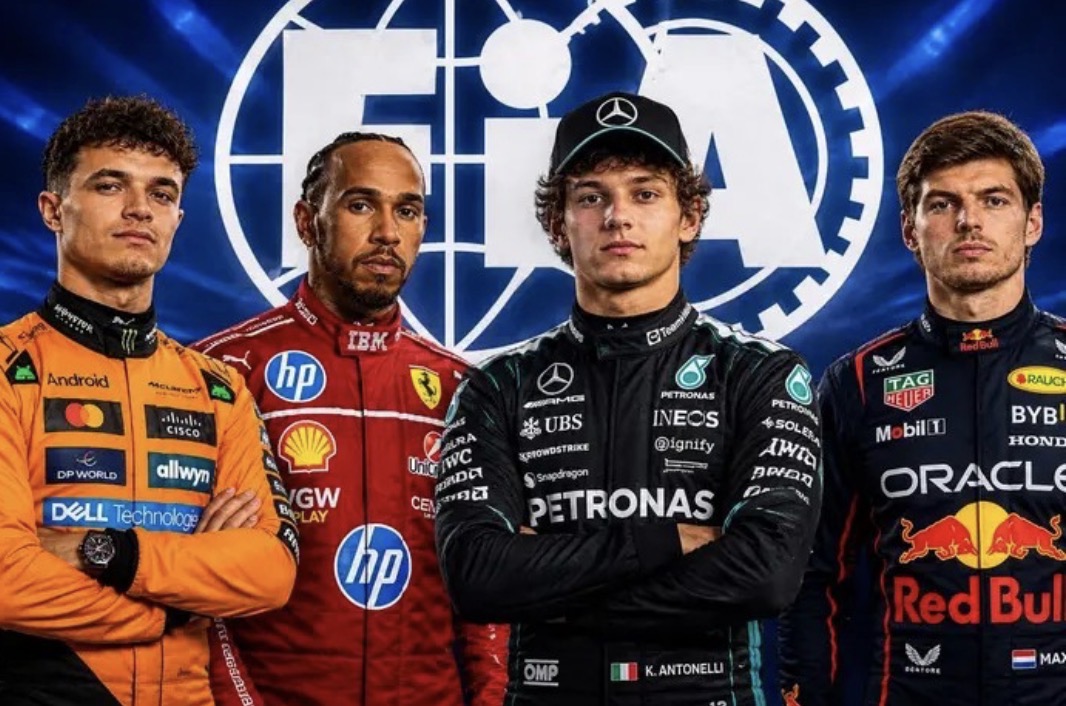
At present, the result has Kimi Antonelli classified as the winner, Lewis Hamilton second and Pierre Gasly third. Hadjar sits fourth, followed by Piastri in fifth. The rest of the top 10 includes Liam Lawson, Arvid Lindblad, Alex Albon, Esteban Ocon and Fernando Alonso.
However, because Red Bull and McLaren are challenging the decision, the order could change again.
If the appeal succeeds, Gasly could potentially lose the podium position that he regained following Alpine’s successful review. Such a decision would have consequences not only for Gasly and Alpine but also for Hadjar, Piastri and their respective teams.
The championship points could also be affected, meaning the consequences would extend beyond the Monaco race itself.
This is one reason why the case has attracted so much attention throughout the Formula 1 community. A decision concerning one race can have implications for the Drivers’ and Constructors’ Championships.
A Significant Test for F1 Sporting Regulations
Beyond the individual drivers and teams involved, the dispute has become an important test of how Formula 1 handles errors and new evidence after a race.
The teams want sporting regulations to be applied consistently, while the FIA must also be able to correct decisions when credible new information demonstrates that an original ruling may have been based on inaccurate data.
The Monaco case therefore presents a difficult balance. On one hand, overturning Gasly’s penalties may be justified if the speed measurement was genuinely affected by an inaccurate distance calculation. On the other hand, Red Bull and McLaren argue that competitors who acted according to the original penalties should not necessarily be disadvantaged by a later change.
That tension is at the heart of the appeal.
For fans, the most remarkable aspect is that the Monaco Grand Prix has remained a live story long after the race itself ended. What began as a spectacular victory for Antonelli developed into a complex dispute involving penalties, technical measurements, championship points and FIA judicial procedures.
With Red Bull and McLaren now taking their arguments before the International Court of Appeal, the 2026 Monaco Grand Prix could once again produce a different official classification.
Until the appeal process is completed, the revised result remains subject to change. What was initially expected to be a settled race result has instead become one of the longest-running controversies of the 2026 Formula 1 season.